Australian Journal of Crop Science
Article | https://doi.org/10.21475/ajcs.26.20.09.pne198
Submitted: 02 December 2025 | Revised: 13 April 2026 | Accepted: 27 April 2026
Pages 700-708
Identification of bioactive compounds in Piper nigrum, Piper retrofractum, Piper betle, and Piper aduncum: exploring their potential as botanical nematicides
Mukhlis Ibrahim1,2, Siwi Indarti2*, Nugroho Susetya Putra2 and Valentina Dwi Suci Handayani3
1Doctoral Program in Agricultural Sciences, Faculty of Agriculture, Universitas Gadjah Mada. Jl. Flora No. 1, Bulaksumur, Sleman 55281, (Yogyakarta) Indonesia
2Department of Plant Protection, Faculty of Agriculture, Universitas Gadjah Mada. Jl. Flora No. 1, Bulaksumur, Sleman 55281, (Yogyakarta) Indonesia
3Department of Agronomy, Faculty of Agriculture, Universitas Gadjah Mada. Jl. Flora No. 1, Bulaksumur, Sleman, 55281, (Yogyakarta) Indonesia
*Corresponding Author: siwi.indarti@ugm.ac.id
ORCID ID: https://orcid.org/0000-0001-5212-5268
Abstract: Plant-parasitic nematodes, particularly Meloidogyne spp., represent a major constraint to global agricultural productivity, causing significant yield losses in economically important crops. Reliance on synthetic nematicides has raised concerns due to environmental toxicity, human health risks, and the development of resistance, emphasizing the need for safer and sustainable alternatives. Botanical nematicides derived from plant secondary metabolites have emerged as promising candidates because of their biodegradability, lower ecological impact, and multiple modes of biological action. Members of the genus Piper are traditionally used in pest management and are known to contain diverse bioactive phytochemicals with pesticidal properties. This study aimed to identify and characterize the chemical constituents of methanolic leaf extracts from Piper nigrum, Piper retrofractum, Piper betle, and Piper aduncum using Gas Chromatography–Mass Spectrometry (GC–MS). The analysis confirmed the presence of multiple bioactive compound classes, including fatty acid amides (9-octadecenamide), terpenoids (caryophyllene, phytol, dillapiol), phenylpropanoids (eugenol, 3-allyl-6-methoxyphenol), and alkaloids — many of which have been reported to exhibit nematicidal or pesticidal activities. Among the species analyzed, 9-octadecenamide (oleamide) was predominant in both P. retrofractum and P. nigrum, while P. aduncum uniquely contained high concentrations of dillapiol. P. betle exhibited the highest proportion of phenylpropanoids, particularly 3-allyl-6-methoxyphenol. Shared compounds such as methyl stearate, hexadecanoic acid, and phytol across the four species suggest potential synergistic interactions contributing to nematicidal efficacy.
Keywords: Botanical nematicides, Dillapiol, GC-MS, Oleamide, Piper species.
Abbreviations: EI_electron ionization; GC-MS_Gas Chromatography–Mass Spectrometry; m/z_mass-to-charge ratio; PPNs_plant-parasitic nematodes; RAP_relative abundance percentage.
Introduction
Plant-parasitic nematodes (PPNs) are among the most damaging soil pathogens, causing significant yield losses in a wide range of crops worldwide. Estimates indicate global agricultural losses of over USD 100 billion annually due to nematode infestations, with root-knot nematodes (Meloidogyne spp.), lesion nematodes (Pratylenchus spp.), and cyst nematodes (Heterodera spp.) being the most notorious species responsible for damage to roots, nutrient deficiency, and overall stunted plant growth (Jones et al., 2013; Nicol et al., 2011). Traditionally, synthetic nematicides have been the primary control method. Eventhough effective, these agrochemicals have been increasingly criticized for their environmental persistence, toxicity to non-target organisms, and accumulation in the food chain (Chitwood, 2002; Ntalli and Caboni, 2012). Furthermore, long-term use of synthetic nematicides has contributed to the development of resistance in nematode populations, raising the need for safer and more sustainable alternatives (Oka et al., 2000).
In response to these challenges, there has been growing interest in the use of plant-derived bioactive compounds referred to as botanical nematicides as environmentally friendly tools for nematode management. These compounds, also known as allelochemicals, include a variety of secondary metabolites such as alkaloids, terpenoids, phenolic acids, flavonoids, and fatty acid derivatives, many of which exhibit nematocidal, repellent, or growth-inhibitory properties (Helaly et al., 2018; Mwamula et al., 2022). The type, concentration, and biological activity of these compounds vary widely among plant species and even among different plant parts (Aviles-Gomez et al., 2022). Recent advances in analytical chemistry, particularly Gas Chromatography-Mass Spectrometry (GC-MS), have enabled the rapid and accurate identification of such phytochemicals from complex plant matrices, providing important insight into their potential as biopesticides (Oka et al., 2012). Among the vast diversity of medicinal plants, the genus Piper (family Piperaceae) has attracted particular attention due to its rich phytochemical content and ethnobotanical significance. Comprising over 1,000 species, Piper is widely distributed in tropical and subtropical regions and is known to produce a wide variety of biologically active secondary metabolites. In particular, species such as Piper nigrum, Piper retrofractum, Piper betle, and Piper aduncum have long been used in traditional medicine and agriculture for their antimicrobial, insecticidal, and antiparasitic properties (Kesba et al., 2021). Previous studies have reported the nematicidal effects of isolated Piper compounds such as piperine, phytol, dillapiol, and caryophyllene (Salehi et al., 2019).
Considering the urgency of searching sustainable pest control alternatives and the promising bioactivity of Piper metabolites, this study aims to analyse and compare the bioactive chemical constituents present in methanol extracts of P. nigrum, P. retrofractum, P. betle, and P. aduncum using GC-MS. The specific objectives are (1) to identify dominant secondary metabolites in each species, (2) to classify them according to their functional groups and known bioactivities, and (3) to evaluate their relevance for development as botanical nematicides. This study contributes to the growing body of knowledge supporting eco-friendly, plant-based nematode management in sustainable agriculture.
Results and Discussion
GC-MS profiling of bioactive compounds
The GC-MS analysis of methanol extracts from the leaves of P. nigrum, P. retrofractum, P. betle, and P. aduncum revealed a diverse range of bioactive secondary metabolites. Across all species, major groups identified include terpenoids, fatty acid derivatives, phenolics, alkaloids, esters, and organosilicon compounds. Interestingly, variations in compound composition and relative abundance percentage (RAP) indicated species-specific phytochemical profiles, which may contribute to their distinct bioactivity as botanical nematicides.
Piper nigrum
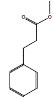
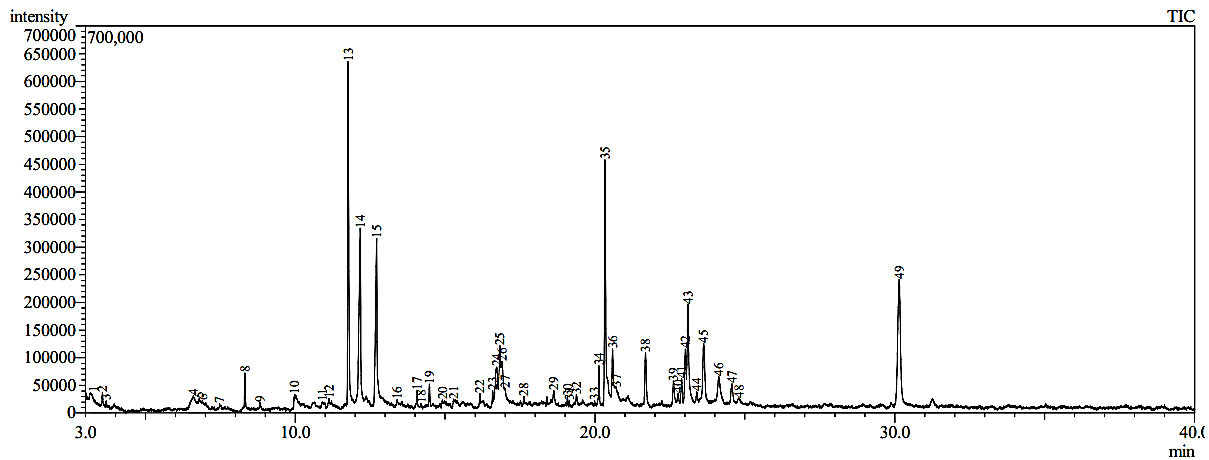
The GC-MS analysis of P. nigrum leaf extract revealed the presence of 49 compounds (Fig 1.). The most dominant include benzene propanoic acid, methyl ester (12.66%), 4,7-methanoisobenzofuran-1,3-dione (10.64%), cyclohexanone, 2-methyl- (9.86%), and hydro cinnamic acid (8.98%). These compounds are primarily phenolic derivatives, known for their antimicrobial and nematostatic properties. Fatty acid amides such as 9-octadecenamide (11.92%) were also abundant, suggesting potential neurotoxic effects against nematodes. Furthermore, sesquiterpenes like copaene and caryophyllene were detected, which have been reported to disrupt nematode neuromuscular systems (Chitwood, 2002). Of note, several alkaloid-related compounds were identified, including 1-ethyl-2-pyrrolidinone and β-piperidinopropiophenone, which exhibit neuroactive potential. The presence of diterpene alcohol phytol (5.63%) also supports nematicidal relevance, as this compound has shown acetylcholinesterase inhibition activity(Wuyts et al., 2006) (Table 1.).
Fig 1. GC-MS chromatogram of methanolic extract of P. nigrum Leaves.
Table 1. Compounds from P. nigrum Leaves Extracted using methanol.
| No | Rf | RAP (%) | Compound | Chemical Formula | Compound Group |
|---|---|---|---|---|---|
| 1 | 3.169 | 0.67 | Propanoic acid, 2-oxo-, methyl ester | C4H6O3 | Fatty acid derivative |
| 2 | 3.567 | 0.33 | Methane, (methylsulfinyl)(methylthio)- | C3H8OS2 | Organosulfur |
| 3 | 3.688 | 0.12 | Ethanedioic acid, dimethyl ester | C4H6O4 | Ester |
| 4 | 6.604 | 0.73 | Glycerin | C3H8O3 | Polyol |
| 5 | 6.797 | 0.23 | 2-Hydroxy-gamma-butyrolactone | C4H6O3 | Lactone |
| 6 | 6.910 | 0.28 | Decane | C10H22 | Hydrocarbon (alkane) |
| 7 | 7.476 | 0.17 | 1-Hexanol, 2-ethyl- | C8H18O | Alcohol |
| 8 | 8.321 | 0.92 | 1-Ethyl-2-pyrrolidinone | C6H11NO | Alkaloid |
| 9 | 8.819 | 0.22 | Linalool | C10H18O | Terpenoid (Monoterpenoid alcohol) |
| 10 | 9.973 | 0.71 | 2H-Pyran-2-one, 5,6-dihydro- | C5H6O2 | Lactone |
| 11 | 10.906 | 0.43 | Benzofuran, 2,3-dihydro- | C8H8O | Aromatic heterocycle |
| 12 | 11.124 | 0.37 | 3-Phenylpropanol | C9H12O | Alcohol |
| 13 | 11.765 | 12.66 | Benzenepropanoic acid, methyl ester | C10H12O2 | Phenolic ester |
| 14 | 12.170 | 9.86 | Cyclohexanone, 2-methyl- | C7H12O | Ketone |
| 15 | 12.714 | 8.98 | Hydrocinnamic acid | C9H10O2 | Phenolic acid |
| 16 | 13.400 | 0.11 | Copaene | C15H24 | Sesquiterpene |
| 17 | 14.069 | 0.52 | Caryophyllene | C15H24 | Sesquiterpene |
| 18 | 14.199 | 0.38 | (1R,2S,6S,7S,8S)-8-Isopropyl-1-methyl-3-met | C15H24 | Sesquiterpene |
| 19 | 14.477 | 0.65 | Cyclooctasiloxane, tetradecamyl- | C14H42O7Si7 | Organosilicon |
| 20 | 14.911 | 0.44 | (1R,2S,6S,7S,8S)-8-Isopropyl-1-methyl-3-met | C15H24 | Sesquiterpene |
| 21 | 15.280 | 0.40 | Phenylpropanamide | C9H11NO | Amide |
| 22 | 16.158 | 0.29 | 2,2,4-Trimethyl-1,3-pentanediol diisobutyrate | C16H30O4 | Plasticizer (Ester) |
| 23 | 16.583 | 0.47 | Cyclooctasiloxane, hexadecamyl- | C16H48O8Si8 | Organosilicon |
| 24 | 16.720 | 3.14 | 9-Octadecenamide, (Z)- | C18H35NO | Fatty acid amide |
| 25 | 16.826 | 3.27 | 9-Octadecenamide, (Z)- | C18H35NO | Fatty acid amide |
| 26 | 16.895 | 2.52 | 9-Octadecenamide, (Z)- | C18H35NO | Fatty acid amide |
| 27 | 16.995 | 0.57 | 9-Octadecenamide, (Z)- | C18H35NO | Fatty acid amide |
| 28 | 17.628 | 0.18 | 2-Cyclohexen-1-one, 4-(3-hydroxybutyl)-3,5,5 | C13H22O2 | Ketone |
| 29 | 18.625 | 0.62 | 2-Cyclohexen-1-one, 4-hydroxy-3,5,5-trimeth | C9H14O2 | Ketone |
| 30 | 19.080 | 0.29 | Tetra decanal | C14H28O | Aldehyde |
| 31 | 19.139 | 0.15 | 0.32 2-Pentadecanone, 6,10,14-trimethyl- | C18H36O | Ketone |
| 32 | 19.384 | 0.25 | 0.42 2-Cyclohexen-1-one, 5-methyl-2-(1-methyleth | C10H16O | Ketone |
| 33 | 19.984 | 0.10 | 0.23 7,9-Di-tert-butyl-1-oxaspiro(4,5)deca-6,9-dien | C17H24O3 | Spiro compound |
| 34 | 20.132 | 1.06 | 1.86 Hexadecenoic acid, methyl ester | C17H34O2 | Fatty acid ester |
| 35 | 20.336 | 10.64 | 12.74 4,7-Methanoisobenzofuran-1,3-dione, 3a,4,7,7 | C8H6O4 | Aromatic anhydride |
| 36 | 20.586 | 2.96 | 2.73 n-Hexadecenoic acid | C16H32O2 | Fatty acid |
| 37 | 20.710 | 1.07 | 0.65 Bicyclol[2.2.2]oct-5-en-2-one | C8H10O | Ketone |
| 38 | 21.681 | 2.62 | 2.71 .beta.-Piperidine propiophenone | C14H19NO | Alkaloid |
| 39 | 22.613 | 1.38 | 1.26 1-Octadecanol | C18H38O | Fatty alcohol |
| 40 | 22.771 | 0.53 | 9,12-Octadecadienoic acid (Z,Z)-, methyl Este | C19H34O2 | Fatty acid ester |
| 41 | 22.886 | 1.11 | 11,14,17-Eicosatrienoic acid, methyl ester | C21H36O2 | Fatty acid ester |
| 42 | 23.012 | 2.80 | Benzene propanoic acid, 2-methylpropyl ester | C13H18O2 | Phenolic ester |
| 43 | 23.095 | 5.63 | Phytol | C20H40O | Diterpene alcohol |
| 44 | 23.390 | 0.38 | Methyl stearate | C19H38O2 | Fatty acid ester |
| 45 | 23.623 | 3.88 | .delta.-6,7-Octalin, 1.beta.,4.beta.-dihydroxy-4 | C10H14O3 | Sesquiterpene derivative |
| 46 | 24.130 | 1.69 | N-Phenethyl-2-methylbutylidenimine | C13H20N2 | Imine (Alkaloid derivative) |
| 47 | 24.570 | 1.14 | Hexadecane | C16H33NO | Fatty acid amide |
| 48 | 24.795 | 0.14 | .beta.-Piperidine propiophenone | C14H19NO | Alkaloid |
| 49 | 30.150 | 11.92 | 9-Octadecenamide, (Z)- | C18H35NO | Fatty acid amide |
Piper retrofractum
The leaf extract of P. retrofractum yielded 23 compounds (Fig 2.). The most abundant was 9-octadecenamide (29.60%), followed by hexadecanoic acid methyl ester (7.49%) and methyl stearate (4.49%). Fatty acid esters and amides accounted for a significant proportion, supporting their role as cuticle-penetrating agents or inhibitors of nematode development. Notably, the presence of phytol and methyl stearate also supports nematicidal activity through membrane disruption mechanisms (Khan et al., 2020). Siloxanes such as cyclohexasiloxane and cyclooctasiloxane were also detected, which may be artefacts of sample processing, but they are worth noting due to potential bioavailability effects when co-occurring with active metabolites. (Table 2.).
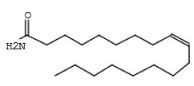
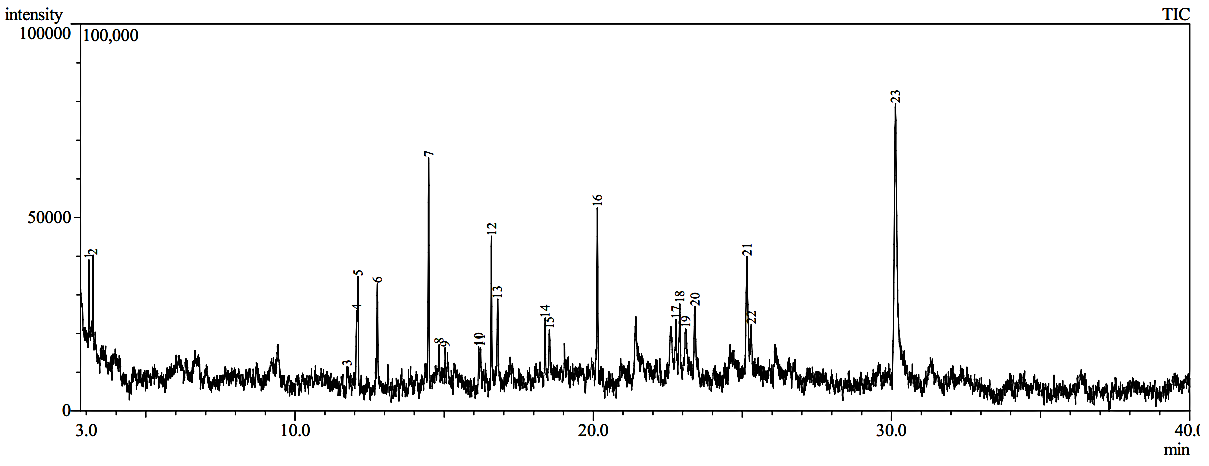
Fig 2. GC-MS chromatogram of methanolic extract of P. retrofractum Leaves.
Table 2. Compounds from P. retrofractum Leaves Extracted using methanol.
| No | Rf | RAP (%) | Compound | Chemical Formula | Compound Group |
|---|---|---|---|---|---|
| 1 | 3.091 | 1.87 | 2,3-Butanediol | C₄H₁₀O₂ | Alcohol |
| 2 | 3.219 | 2.15 | 2,3-Butanediol | C₄H₁₀O₂ | Alcohol |
| 3 | 11.748 | 2.94 | Hexadecane | C₁₆H₃₄ | Alkane |
| 4 | 12.065 | 3.70 | Cyclohexasiloxane, dodecamethyl- | C₁₂H₃₆O₆Si₆ | Siloxane |
| 5 | 12.107 | 3.47 | Cyclohexasiloxane, dodecamethyl- | C₁₂H₃₆O₆Si₆ | Siloxane |
| 6 | 12.760 | 3.85 | Cyclohexene, 4-ethenyl-4-methyl-3-(1-methyl) | C₉H₁₄ | Alkene |
| 7 | 14.478 | 7.70 | Cycloheptasiloxane, tetradecamethyl- | C₁₄H₄₂O₇Si₇ | Siloxane |
| 8 | 14.829 | 0.83 | Hexadecane | C₁₆H₃₄ | Alkane |
| 9 | 15.035 | 1.07 | Naphthalene, decahydro-4a-methyl-1-methyl | C₁₁H₂₀ | Polycyclic hydrocarbon |
| 10 | 16.155 | 1.45 | 2,2,4-Trimethyl-1,3-pentanediol diisobutyrate | C₁₆H₃₀O₄ | Diol ester |
| 11 | 16.213 | 2.00 | 1H-Cycloprop[e]azulen-7-ol, decahydro-1,1,7 | C₁₅H₂₆O | Sesquiterpenoid |
| 12 | 16.584 | 3.97 | Cyclooctasiloxane, hexadecamethyl- | C₁₆H₄₈O₈Si₈ | Siloxane |
| 13 | 16.794 | 3.47 | 1H-Cycloprop[e]azulen-7-ol, decahydro-1,1,7 | C₁₅H₂₆O | Sesquiterpenoid |
| 14 | 18.387 | 1.62 | Cyclononasiloxane, octadecamethyl- | C₁₈H₅₄O₉Si₉ | Siloxane |
| 15 | 18.529 | 1.54 | 1H-Cycloprop[e]azulen-7-ol, decahydro-1,1,7 | C₁₅H₂₆O | Sesquiterpenoid |
| 16 | 20.137 | 7.49 | Hexadecanoic acid, methyl ester | C₁₇H₃₄O₂ | Fatty acid ester |
| 17 | 22.776 | 1.22 | 9,12-Octadecadienoic acid (Z,Z)-, methyl ester | C₁₉H₃₄O₂ | Fatty acid ester |
| 18 | 22.900 | 1.74 | 6-Octadecenoic acid, methyl ester, (Z)- | C₁₉H₃₆O₂ | Fatty acid ester |
| 19 | 23.099 | 1.79 | Phytol | C₂₀H₄₀O | Diterpene alcohol |
| 20 | 23.413 | 4.49 | Methyl stearate | C₁₉H₃₈O₂ | Fatty acid ester |
| 21 | 25.160 | 9.02 | Isoxaben | C₁₈H₂₄N₂O₄ | Benzamide (Herbicide) |
| 22 | 25.295 | 3.03 | Heptadecylic acetate | C₁₉H₃₈O₂ | Fatty acid ester |
| 23 | 30.134 | 29.60 | 9-Octadecenamide, (Z)- (Oleamide) | C₁₈H₃₅NO | Fatty acid amide |
Piper betle
The extract of P. betle yielded 33 identifiable compounds (Fig. 3). The dominant constituent was 3-allyl-6-methoxyphenol (51.16%), also known as chavicol, a phenylpropanoid with well-documented antimicrobial and nematicidal activity. Benzoic acid, 2,5-dimethyl- (12.77%) and dillapiol (2.38%) were also present in high concentrations (Guerrini et al., 2009).These compounds have been reported to induce oxidative stress and apoptosis in nematodes (Kundu et al., 2021). Sesquiterpenes such as γ-muurolene, α-guaiene, and caryophyllee were present along with their oxygenated derivatives like caryophyllene oxide. These compounds have been documented to disrupt sensory function and reproduction of nematodes (Madhumita et al., 2019). The presence of aliphatic and aromatic alcohols further supports nematostatic actions through surface film disruption or neuroinhibitory effects. (Table 3.).
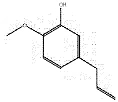
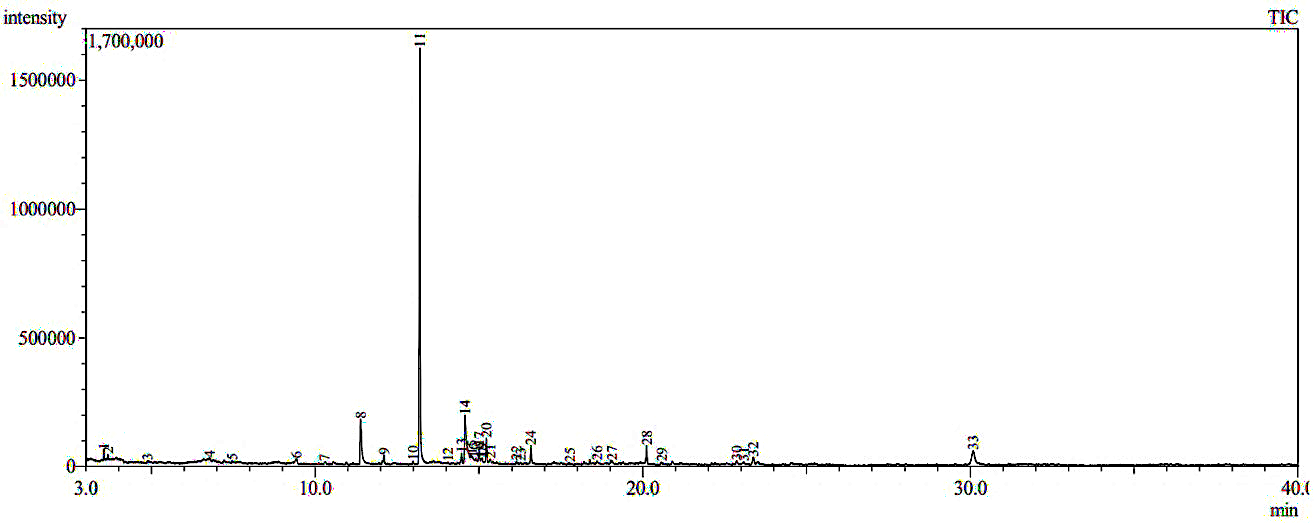
Fig 3. GC-MS chromatogram of methanolic extract of P. betle Leaves.
Table 3. Compounds from P. betle Leaves Extracted using methanol.
| No | Rf | RAP (%) | Compound | Chemical Formula | Compound Group |
|---|---|---|---|---|---|
| 1 | 3.549 | 0.87 | Acetic acid, fluoro-, ethyl ester | C₄H₇FO₂ | Carboxylic acid ester |
| 2 | 3.674 | 0.71 | Ethanedioic acid, dimethyl ester | C₄H₆O₄ | Dicarboxylic acid ester |
| 3 | 4.880 | 0.52 | Glyceraldehyde | C₃H₆O₃ | Aldehyde |
| 4 | 6.769 | 0.25 | 2-Hydroxy-gamma-butyrolactone | C₄H₆O₃ | Lactone |
| 5 | 7.466 | 0.17 | 1-Hexanol, 2-ethyl- | C₈H₁₈O | Alcohol |
| 6 | 9.417 | 0.75 | Cyclopentasiloxane, decamethyl- | C₁₀H₃₀O₅Si₅ | Organosilicon |
| 7 | 10.280 | 0.48 | Eucalyptol | C₁₀H₁₈O | Monoterpenoid |
| 8 | 11.390 | 8.31 | 1H-Inden-5-ol, 2,3-dihydro- | C₉H₁₀O | Aromatic alcohol |
| 9 | 12.101 | 1.28 | Cyclohexasiloxane, dodecamethyl- | C₁₂H₃₆O₆Si₆ | Organosilicon |
| 10 | 12.985 | 0.33 | Eugenol | C₁₀H₁₂O₂ | Phenylpropanoid |
| 11 | 13.194 | 51.16 | 3-Allyl-6-methoxyphenol | C₁₀H₁₂O₂ | Phenylpropanoid |
| 12 | 14.052 | 0.22 | Caryophyllene | C₁₅H₂₄ | Sesquiterpene |
| 13 | 14.471 | 1.27 | Cycloheptasiloxane, tetradecamethyl- | C₁₄H₄₂O₇Si₇ | Organosilicon |
| 14 | 14.577 | 12.77 | Benzoic acid, 2,5-dimethyl- | C₉H₁₀O₂ | Aromatic acid |
| 15 | 14.771 | 1.28 | .gamma.-Muurolene | C₁₅H₂₄ | Sesquiterpene |
| 16 | 14.820 | 0.24 | Octane, 2-methyl- | C₉H₂₀ | Alkane |
| 17 | 15.009 | 1.55 | (4-tert-Butylphenoxy)acetate,TMS | C₁₃H₂₀O₃Si | Aromatic ester |
| 18 | 15.075 | 0.19 | 2,4-Di-tert-butylphenol | C₁₄H₂₂O | Tertiary phenol |
| 19 | 15.101 | 0.25 | .alpha.-Guaiene | C₁₅H₂₄ | Sesquiterpene |
| 20 | 15.227 | 2.71 | 3-Allyl-6-methoxyphenyl acetate | C₁₂H₁₄O₃ | Phenolic ester |
| 21 | 15.342 | 0.55 | (3R,3aR,3bR,4S,7R,7aR)-4-Isopropyl-3,7-dim | C₁₅H₂₄O | Oxygenated sesquiterpene |
| 22 | 16.145 | 0.47 | 2,2,4-Trimethyl-1,3-pentanediol diisobutyrate | C₁₆H₃₀O₄ | Plasticizer ester |
| 23 | 16.270 | 0.34 | Caryophyllene oxide | C₁₅H₂₄O | Oxygenated sesquiterpene |
| 24 | 16.583 | 2.38 | Dillapiol | C₁₂H₁₄O₄ | Phenylpropanoid |
| 25 | 17.773 | 0.20 | Methyl stearate | C₁₉H₃₈O₂ | Fatty acid ester |
| 26 | 18.606 | 0.36 | 2-Cyclohexen-1-one, 4-hydroxy-3,5,5-trimeth | C₉H₁₄O₂ | Terpenoid ketone |
| 27 | 19.061 | 0.42 | Albuterol | C₁₃H₂₁NO₃ | Alkaloid derivative |
| 28 | 20.118 | 2.79 | Hexadecanoic acid, methyl ester | C₁₇H₃₄O₂ | Fatty acid ester |
| 29 | 20.577 | 0.32 | n-Hexadecanoic acid | C₁₆H₃₂O₂ | Saturated fatty acid |
| 30 | 22.867 | 0.48 | 9,12-Octadecadienoyl chloride, (Z,Z)- | C₁₈H₃₁ClO | Fatty acid derivative |
| 31 | 23.080 | 0.16 | Phytol | C₂₀H₄₀O | Diterpenoid alcohol |
| 32 | 23.371 | 1.70 | Methyl stearate | C₁₉H₃₈O₂ | Fatty acid ester |
| 33 | 30.081 | 4.52 | 9-Octadecenamide, (Z)- | C₁₈H₃₅NO | Fatty acid amide |
Piper aduncum
The GC-MS analysis of P. aduncum leaf extract showed 50 identified compounds (Fig 4.). was the most dominant (62.3%), followed by tetradecane (7.92%) and dl-α-tocopherol (2.51%). Dillapiol is a well-known phenylpropanoid with proven nematicidal and insecticidal properties through inhibition of monooxygenases and neurotransmitter enzymes (Guerrini et al., 2009). Terpenoids such as germacrene D, copaene, and humulene were also present, further strengthening the potential of this species. In addition to phenylpropanoids and terpenes, a variety of fatty acids (hexadecanoic acid, octadecanoic acid), alcohols, and alkaloids were detected. For example, the detection of 5H-indeno[1,2-b]pyridine and 2-pyrrolidinone derivatives highlights potential neuromodulatory activity. The identification of dl-α-tocopherol (2.51%) suggests antioxidant properties that may enhance plant defense mechanisms and persistence of bioactive compounds. (Table 4.).
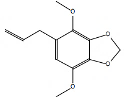
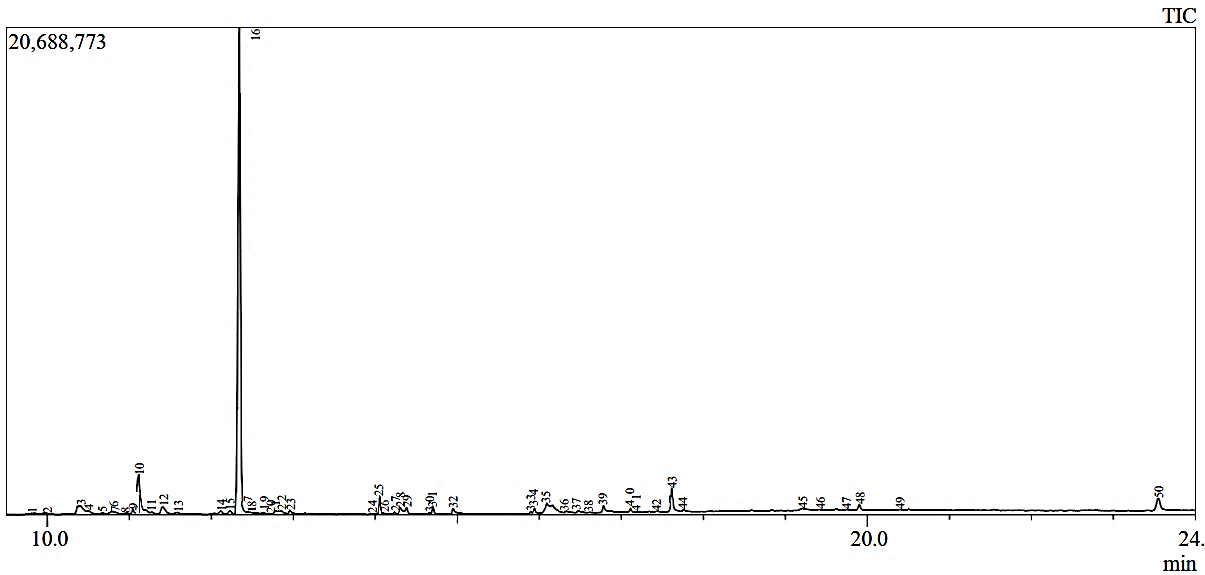
Fig 4. GC-MS chromatogram of methanolic extract of P. aduncum Leaves.
Table 4. Compounds from P. aduncum Leaves Extracted using methanol.
| No | Rf | RAP (%) | Compound | Chemical Formula | Compound Group |
|---|---|---|---|---|---|
| 1 | 9.805 | 0,3 | Copaene | C₁₅H₂₄ | Terpenoid |
| 2 | 9.990 | 0,33 | Cyclohexane, 1-ethenyl-1-methyl-2,4-bis(1- | C₁₂H₂₀ | Terpenoid |
| 3 | 10.403 | 3 | 1R,3Z,9S-4,11,11-Trimethyl-8-methylenebic | C₁₅H₂₄ | Terpenoid |
| 4 | 10.505 | 0,69 | 1H-Cyclopenta[1,3]cyclopropa[1,2]benzene, | C₁₂H₁₂ | Polycyclic aromatic |
| 5 | 10.669 | 0,25 | (1R,2S,6S,7S,8S)-8-Isopropyl-1-methyl-3-m | C₁₅H₂₄ | Terpenoid |
| 6 | 10.799 | 0,71 | Humulene | C₁₅H₂₄ | Sesquiterpenoid |
| 7 | 10.835 | 0,26 | 1H-Cyclopenta[1,3]cyclopropa[1,2]benzene, | C₁₂H₁₂ | Polycyclic aromatic |
| 8 | 10.945 | 0,26 | 1-Naphthalenol, 1,2,3,4,4a,7,8,8a-octahydro- | C₁₀H₁₄O | Phenol |
| 9 | 11.044 | 0,58 | Germacrene D | C₁₅H₂₄ | Terpenoid |
| 10 | 11.113 | 7,92 | Tetradecane | C₁₄H₃₀ | Alkane |
| 11 | 11.275 | 0,09 | .gamma.-Muurolene | C₁₅H₂₄ | Terpenoid |
| 12 | 11.408 | 1,75 | Naphthalene, 1,2,3,5,6,8a-hexahydro-4,7-dim | C₁₂H₁₈ | Aromatic terpenoid |
| 13 | 11.587 | 0,35 | Benzene, 1,2,3-trimethoxy-5-(2-propenyl)- | C₁₂H₁₆O₃ | Phenylpropanoid |
| 14 | 12.113 | 0,55 | Caryophyllene oxide | C₁₅H₂₄O | Oxygenated terpenoid |
| 15 | 12.226 | 0,55 | 1H-Cycloprop[e]azulen-4-ol, decahydro-1,1, | C₁₅H₂₄O | Sesquiterpenoid |
| 16 | 12.338 | 62,3 | Dillapiol | C₁₂H₁₄O₄ | Phenylpropanoid (major compound) |
| 17 | 12.440 | 0,03 | (2E,4S,7E)-4-Isopropyl-1,7-dimethylcyclode | C₁₅H₂₄ | Terpenoid |
| 18 | 12.480 | 0,05 | 1H-Cycloprop[e]azulen-7-ol, decahydro-1,1, | C₁₅H₂₄O | Terpenoid |
| 19 | 12.637 | 0,16 | .tau.-Cadinol | C₁₅H₂₆O | Terpenoid alcohol |
| 20 | 12.725 | 0,04 | Agarospirol | C₁₅H₂₄O | Sesquiterpenoid |
| 21 | 12.784 | 0,77 | 1-Tetradecanol | C₁₄H₃₀O | Alcohol |
| 22 | 12.855 | 0,55 | 1-Oxa-2,4,6-trisilacyclohexane, 2,2,4,4,6,6-h | C₆H₁₈O₃Si₃ | Siloxane |
| 23 | 12.960 | 0,51 | Heptadecane | C₁₇H₃₆ | Alkane |
| 24 | 13.955 | 0,1 | Naphthalene, 1,2,3,4-tetrahydro-2,6-dimethy 158.80 | C₁₂H₁₆ | Polycyclic aromatic |
| 25 | 14.055 | 1,56 | Pentadecanal- | C₁₅H₃₀O | Aliphatic aldehyde |
| 26 | 14.100 | 0,11 | 1-Dodecanol, 3,7,11-trimethyl- | C₁₅H₃₂O | Alcohol |
| 27 | 14.236 | 0,2 | 1-Octadecyne | C₁₈H₃₄ | Alkyne |
| 28 | 14.304 | 0,97 | Benz[b]dihydropyran-6-ol, 2,2,5,7,8-pentam | C₁₁H₁₄O₂ | Flavonoid-like |
| 29 | 14.381 | 0,86 | Pentadecanal- | C₁₅H₃₀O | Aldehyde |
| 30 | 14.655 | 0,14 | 7,9-Di-tert-butyl-1-oxaspiro(4,5)deca-6,9-die | C₁₆H₂₆O | Synthetic phenolic |
| 31 | 14.702 | 0,72 | Hexadecanoic acid, methyl ester | C₁₇H₃₄O₂ | Fatty acid ester |
| 32 | 14.949 | 0,85 | n-Hexadecanoic acid | C₁₆H₃₂O₂ | Fatty acid |
| 33 | 15.895 | 0,2 | 9,12-Octadecadienoic acid (Z,Z)-, methyl est | C₁₉H₃₄O₂ | Unsaturated fatty acid |
| 34 | 15.939 | 0,59 | 9,12,15-Octadecatrienoic acid, methyl ester, ( | C₁₉H₃₂O₂ | PUFA |
| 35 | 16.092 | 2,14 | Triacontanoic acid, methyl ester | C₃₁H₆₂O₂ | Long-chain fatty acid |
| 36 | 16.330 | 0,35 | Octadecanoic acid | C₁₈H₃₆O₂ | Fatty acid |
| 37 | 16.473 | 0,26 | Hexadecanamide | C₁₆H₃₃NO | Fatty amide |
| 38 | 16.610 | 0,06 | 9-Tricosene, (Z)- | C₂₃H₄₆ | Unsaturated hydrocarbon |
| 39 | 16.784 | 0,95 | 2,2,9,9-Tetramethyldec-5-ene-3,7-diyne | C₁₄H₂₂ | Hydrocarbon |
| 40 | 17.112 | 0,45 | (3,7-Dimethyl-octa-2,6-dienyl)-benzene | C₁₄H₂₀ | Terpenoid |
| 41 | 17.200 | 0,07 | 1-Bromoeicosane | C₂₀H₄₁Br | Haloalkane |
| 42 | 17.444 | 0,14 | Androst-1-en-3-one, 17-hydroxy-, (5.alpha.,1 | C₁₉H₂₆O₂ | Steroid |
| 43 | 17.614 | 2,95 | 9-Octadecenamide, (Z)- | C₁₈H₃₅NO | Fatty acid amide |
| 44 | 17.759 | 0,23 | Octadecanamide | C₁₈H₃₇NO | Amide |
| 45 | 19.210 | 0,63 | 5H-Indeno[1,2-b]pyridine | C₁₁H₉N | Aromatic alkaloid |
| 46 | 19.420 | 0,16 | 2-Pyrrolidinone, 1,5-dimethyl-3,3-diphenyl- | C₁₈H₂₁NO | Alkaloid |
| 47 | 19.745 | 0,03 | 1,3,5-Benzetriol, 3TMS derivative | C₆H₆O₃ | Polyphenol |
| 48 | 19.901 | 0,66 | 1,3-Benzenedicarboxylic acid, bis(2-ethylhex | C₂₄H₃₈O₄ | Phthalate ester |
| 49 | 20.396 | 0,08 | Squalene | C₃₀H₅₀ | Triterpenoid |
| 50 | 23.548 | 2,51 | dl-.alpha.-Tocopherol | C₂₉H₅₀O₂ | Phenol (Vitamin E) |
Materials and methods
Place and time
This research was carried out from January to March 2025. Identification of bioactive compounds contained in methanolic leaf extracts of P. nigrum, P. retrofractum, P. betle, and P. aduncum was conducted using Gas Chromatography–Mass Spectrometry (GC-MS). The leaves were harvested from mature plants cultivated in Yogyakarta, Indonesia, and the analysis was performed at Agrotropica Learning Center (AGLC), Faculty of Agriculture, Universitas Gadjah Mada, Yogyakarta, Indonesia.
Extract preparation
Fresh leaves of P. nigrum, P. retrofractum, P. betle, and P.aduncum were harvested and cleaned thoroughly under running tap water to remove dust and other surface impurities. The samples were then air-dried under shaded and well-ventilated conditions for 7 days to prevent degradation of thermolabile compounds. After drying, the leaves were weighed to determine their moisture content using the following formula (Apriyanto et al., 2018):
\[Moisture\ Content\ (\%) = \ \frac{BInitial\ Weight - Final\ Weight}{Initial\ Weight} \times 100\%\]
The dried leaves were subsequently ground using a high-speed blender and passed through a mesh sieve to obtain uniform particle size. The powdered samples were stored in airtight aluminum foil bags at room temperature in the dark to minimize exposure to light, moisture, and oxygen before extraction.
Extraction procedure
Each powdered leaf sample (500 g) was subjected to cold maceration using analytical-grade 70% methanol at a ratio of 1:4 (w/v), following the method described by Handoyo (2020). The maceration process was conducted at room temperature for 48 hours with intermittent stirring to ensure maximal extraction of secondary metabolites.
The extract was then filtered using Whatman No. 41 filter paper to separate the plant residues from the filtrate. The resulting filtrate was concentrated under reduced pressure using a rotary evaporator (Buchi R-210) at 50°C and 240 mbar, as outlined by Nailufar and Prijono (2017), until a thick, viscous extract was obtained. The concentrated extracts were stored in amber vials at 4°C until further phytochemical analysis using GC-MS.
GC-MS analysis
The identification of bioactive compounds in the methanolic leaf extracts of P. nigrum, P. retrofractum, P. betle, and P. aduncum was performed using Gas Chromatography–Mass Spectrometry (GC-MS) analysis. The analysis was conducted with a Shimadzu GC-MS QP2010 SE system equipped with a SH-Rxi-5Sil MS capillary column (30 m in length × 0.25 mm internal diameter × 0.25 µm film thickness). The oven temperature was initially set to 100°C and held for 5 minutes, then ramped at a rate of 15°C/min until reaching 300°C, and maintained at this final temperature for 30 minutes. The injector temperature was maintained at 300°C in splitless injection mode. Helium was used as the carrier gas at a constant flow rate of 1.0 mL/min, following the protocol described (Kannan et al., 2016). Electron ionization (EI) was performed at 70 eV. The temperatures of the ion source and the interface were maintained at 230°C and 250°C, respectively. A 1 µL aliquot of each extract was injected, and full-scan mass spectra were acquired in the m/z range of 40–600. The resulting chromatograms were analyzed using the NIST20R mass spectral library.
Conclusion
Methanolic leaf extracts of P. nigrum, P. retrofractum, P. betle, and P. aduncum revealed diverse classes of bioactive compounds with varying composition and concentrations across species. All four Piper species contained secondary metabolites with known nematicidal potential, such as fatty acid amides (9-octadecenamide), phenylpropanoids, terpenoids (caryophyllene, germacrene D, illapiole), and fatty acid esters (illapiolec acid methyl ester). Notably, P. betle exhibited a high abundance of phenylpropanoids, while P. aduncum was dominated by illapiole, a potent nematicidal agent. These findings highlight the potential of Piper species as promising sources of sustainable botanical nematicides for integrated nematode management strategies.
Acknowledgments
The authors would like to thank The Department of Plant Protection, Faculty of Agriculture, Universitas Gadjah Mada (UGM) for providing the research facilities. The authors also gratefully acknowledge the financial support provided by the Indonesian Endowment Fund for Education (LPDP), Ministry of Finance, Republic of Indonesia, through the doctoral scholarship program (ID number: 202312210310075).
Declaration of Interest Statement
The authors declare that there is no conflict of interest associated with this publication. All authors have contributed to the work and approve the final manuscript.
References
Apriyanto A, Susanti R, & Kurniawan B (2018) Analisis metode gravimetri untuk pengukuran kadar air dalam bahan pangan. Jurnal Teknologi Pertanian. 19(1): 112–125.
Aviles-Gomez J, Cristóbal-Alejo J, Andrés MF, González-Coloma A, Carnevali G, Pérez-Brito D, Moo-Koh FA, & Gamboa-Angulo M (2022) Nematicidal screening of aqueous extracts from plants of the yucatan peninsula and ecotoxicity. Plants. 11(16): 2138. https://doi.org/10.3390/plants11162138
Chitwood DJ (2002). Phytochemical based strategies for nematode control. annual review of phytopathology. 40(1): 221–249. https://doi.org/10.1146/annurev.phyto.40.032602.130045
Guerrini A, Sacchetti G, Rossi D, Paganetto G, Muzzoli M, Andreotti E, Tognolini M, Maldonado M E, & Bruni R (2009) Bioactivities of Piper aduncum L. and Piper obliquum Ruiz & amp; Pavon (Piperaceae) essential oils from eastern ecuador. Environmental Toxicology and Pharmacology. 27(1): 39–48. https://doi.org/10.1016/j.etap.2008.08.002
Handoyo DLY (2020). Pengaruh lama waktu maserasi (perendaman) terhadap kekentalan ekstrak daun sirih (Piper betle L.). Jurnal Farmasi Tincruta. 2(1): 34–41.
Helaly SE, Ashrafi S, Teponno RB, Bernecker S, Dababat AA, Maier W, & Stadler M (2018) Nematicidal cyclic lipodepsipeptides and a xanthocillin derivative from a phaeosphariaceous fungus parasitizing eggs of the plant parasitic nematode Heterodera filipjevi. Journal of Natural Products. 81(10): 2228–2234. https://doi.org/10.1021/acs.jnatprod.8b00486
Jones JT, Haegeman A, Danchin EGJ, Gaur HS, Helder J, Jones MGK, Kikuchi T, Manzanilla‐López R, Palomares‐Rius J E, Wesemael WML, & Perry RN (2013) Top 10 plant‐parasitic nematodes in molecular plant pathology. Molecular Plant Pathology. 14(9): 946–961. https://doi.org/10.1111/mpp.12057
Kannan M, Muthusamy P, & Venkatachalam U (2016) Quantification of bioactive components from medicinal herb ganoderma lucidum using HPTLC and GC-MS techniques. Research Journal of Biotechnology. 11(6): 49–57.
Kesba H, Abdel-Rahman A, Sayed S, & Al-Sayed AS (2021) Screening the nematicidal potential of indigenous medicinal plant extracts against Meloidogyne incognita under lab. and greenhouse conditions. Egyptian Journal of Biological Pest Control. 31(1): 81. https://doi.org/10.1186/s41938-021-00429-y
Khan R, Naz I, Hussain S, Khan RAA, Ullah S, Rashid MU, & Siddique I (2020) Phytochemical management of root knot nematode (Meloidogyne incognita) kofoid and white chitwood by Artemisia spp. in tomato (Lycopersicon esculentum L.). Brazilian Journal of Biology. 80(4): 829–838. https://doi.org/10.1590/1519-6984.222040
Kundu A, Dutta A, Mandal A, Negi L, Malik M, Puramchatwad R, Antil J, Singh A, Rao U, Saha S, Kumar R, Patanjali N, Manna S, Kumar A, Dash S, & Singh PK (2021) A Comprehensive in vitro and in silico analysis of nematicidal action of essential oils. Frontiers in Plant Science. 11: 614143.https://doi.org/10.3389/fpls.2020.614143
Madhumita M, Guha P, & Nag A (2019) Extraction of betel leaves (Piper betle L.) essential oil and its bio-actives identification: process optimization, GC-MS analysis and anti-microbial activity. Industrial Crops and Products. 138: 111578. https://doi.org/10.1016/j.indcrop.2019.111578
Mwamula AO, Kabir MF, & Lee D (2022) A Review of the potency of plant extracts and compounds from key families as an alternative to synthetic nematicides: history, efficacy, and current developments. Plant Pathology Journal. 38(2): 53–77. https://doi.org/10.5423/PPJ.RW.12.2021.0179
Nailufar N, & Prijono D (2017) Synergistic activity of Piper aduncum fruit and tephrosia vogelii leaf extracts against the cabbage head caterpillar, Crocidolomia pavonana. Journal of the International Society for Southeast Asian Agricultural Sciences. 23(1): 102–110.
Nicol JM, Turner SJ, Coyne DL, Nijs LD, Hockland S, & Maafi ZT (2011) Current nematode threats to world agriculture. Genomics and Molecular Genetics of Plant-Nematode Interactions. (pp. 21–43). https://doi.org/10.1007/978-94-007-0434-3_2
Ntalli NG, & Caboni P (2012) Botanical nematicides: a review. Journal of Agricultural and Food Chemistry. 60(40): 9929–9940. https://doi.org/10.1021/jf303107j
Oka Y, Ben‐Daniel B, & Cohen Y (2012) Nematicidal activity of the leaf powder and extracts of Myrtus communis against the root‐knot nematode Meloidogyne javanica. Plant Pathology. 61(6): 1012–1020. https://doi.org/10.1111/j.1365-3059.2011.02587.x
Oka Y, Nacar S, Putievsky E, Ravid U, Yaniv Z, & Spiegel Y (2000) Nematicidal activity of essential oils and their components against the root-knot nematode. Phytopathology. 90(7): 710–715. https://doi.org/10.1094/PHYTO.2000.90.7.710
Salehi B, Zakaria ZA, Gyawali R, Ibrahim SA, Rajkovic J, Shinwari ZK, Khan T, Sharifi-Rad J, Ozleyen A, Turkdonmez E, Valussi M, Tumer TB, Monzote Fidalgo L, Martorell M, & Setzer WN (2019) Piper species: a comprehensive review on their phytochemistry, biological activities and applications. Molecules. 24(7): 1364. https://doi.org/10.3390/molecules24071364
Wuyts N, De Waele D, & Swennen R (2006) Extraction and partial characterization of polyphenol oxidase from banana (Musa acuminata Grande naine) roots. Plant Physiology and Biochemistry. 44(5–6): 308–314. https://doi.org/10.1016/j.plaphy.2006.06.005