
Australian Journal of Crop Science
Article | https://doi.org/10.21475/ajcs.26.20.09.pne206
Submitted: 06 December 2025 | Revised: 30 April 2026 | Accepted: 12 May 2026
Pages 709-718
Phytochemical profile and in vitro bioactivities of essential oil, hydrosol, and aqueous extract from Moroccan Thymus zygis subsp. Gracilis (Boiss.) R. Morales
Abderrahman Moukhles1⁕, Ismail El Bakali2⁕, Anas Ellaghdach1, Ahmed Chelouan1, Ali Aghmiz1, Mohamed kadiri3, and Ahmed Ibn Mansour1
1 Department of Chemistry, Laboratory of Applied Organic Chemistry, Faculty of Sciences, Abdelmalek Essaâdi University, Mhannech II, 93002, Tetouan, Morocco
2Laboratory of Biology, Ecology, and Health, Faculty of Sciences of Tetouan, Abdelmalek Essaadi University, Mhannech II, 93002, Tetouan, Morocco
3Department of Biology, Bio-Agrodiversity Team, Laboratory of Applied Botany, Faculty of Sciences, Abdelmalek Essaâdi University, Mhannech II, 93002, Tetouan, Morocco
*Corresponding author: mou231073@gmail.com (Moukhles)
*Corresponding author: elbakali.ismail-etu@uae.ac.ma (I. El Bakali)
ORCID https://orcid.org/0000-0002-3013-534X
Abstract: This study investigates three products obtained from the hydrodistillation of Thymus zygis subsp. gracilis. It compares the chemical profiles and antibacterial properties of the essential oil and hydrosol against four bacterial strains, including Gram-negative (Escherichia coli and Proteus mirabilis) and Gram-positive (Bacillus subtilis and Staphylococcus aureus). It also evaluates the antioxidant activity of the aqueous extract using a DPPH assay. GC-MS analysis shows that the essential oil is primarily composed of carvacrol (48.14%), thymol (11.36%), and p-cymene (12.14%), whereas the hydrosol contains higher levels of carvacrol (54.34%) and thymol (33.32%). The aqueous extract contains various bioactive compounds, including aglycones and glycosylated flavonoids, phenylpropanoid derivatives, and triterpenoid acids related to oleanolic acid. Both the essential oil and hydrosol exhibit strong antibacterial effects against all tested microorganisms (MBC/MIC ≤ 2). Meanwhile, the aqueous extract demonstrates notable antioxidant activity (IC50 = 0.129 mg/mL). Overall, the findings suggest that Thymus zygis subsp. gracilis could be a valuable natural source of antimicrobial and antioxidant agents, with potential applications in food preservation and in reducing oxidative stress–related diseases.
Keywords: Thymus zygis; Essential oil; Hydrosol extract; Aqueous extract; Antibacterial; Antioxidant.
Introduction
The genus Thymus, commonly known as “Zaëtra” in Morocco, is a member of the Lamiaceae family (Fennane et al., 2007). These aromatic plants are widely used around the world for both their medicinal properties and as culinary spices (De Oliveira et al., 2021). The genus Thymus includes around 350 species native to the Mediterranean region, many of which are endemic. These plants are perennial, densely growing subshrubs, usually under 50 cm tall, and are well adapted to hot, dry summer conditions (Stahl-Biskup, 2002). Its essential oil is highly valued for its distinctive aroma and is widely used as a key ingredient in perfumery and cosmetics (Marzec, 2010). This oil is recognized for its wide range of pharmacological properties, including antibacterial, antifungal, antispasmodic, antitussive, expectorant, and secretomotor effects (Micucci et al., 2020).
Several studies have shown that the antioxidant, insecticidal, anesthetic, antiseptic, and food-preserving properties of Thymus essential oil are due to its bioactive compounds (Escobar et al., 2020). Hydrosols from aromatic plants are increasingly used in cosmetics, aromatherapy, traditional medicine, and food preservation, driving continued research into their biological activities (Shafie et al., 2022).
Thymus zygis, an Ibero-Moroccan species widely found in Morocco, is commonly used as a culinary herb. Its essential oil shows notable insecticidal, antibacterial, antiparasitic, and larvicidal activities (Rodrigues et al., 2019; Coimbra et al., 2022; Gourich et al., 2022); however, its hydrosol remains largely unexplored (Moukhles et al., 2022). Researchers have also studied the organic and aqueous extracts of Thymus zygis (Khouya et al., 2015; Silva et al., 2020; Bouymajane et al., 2022). Oxidative stress as defined by Sies (1985) arises from an imbalance between pro-oxidant/antioxidant in favor of the former. Reactive oxygen species (ROS) damage vital cell components like nucleic acids, lipids, and proteins, with oxidative stress contributing to diseases such as Alzheimer’s (Smith et al., 2000), atherosclerosis, cancer, AIDS non-ulcer dyspepsia (Kumari et al., 2013), diabetic nephropathy, end-stage renal disease (Verma et al., 2014), major depression (Bajpai et al., 2014), and Parkinson’s disease (Verma et al., 2015). Polyphenols, common plant metabolites, are a key focus in food chemistry due to their promising properties, though their characterization remains challenging (Dedvisitsakul and Watla-lad, 2022). Many plant phenolics are studied for their antioxidant effects and ability to enhance starch digestibility (Ahmed et al., 2022). Phenolics, particularly flavonoids, help regulate oxidative stress through multiple mechanisms (Li et al., 2020).
This study uniquely examines all three hydrodistillation fractions of Thymus zygis subsp. gracilis, analyzing the chemical profiles and antibacterial activity of its essential oil (EO) and hydrosol (HYD) against both Gram-positive and Gram-negative bacteria, and assessing the antioxidant potential of its aqueous extract.
Results and discussion
Yield and phytochemical profile
Essential oil and hydrosol
Table 1 shows that the EO yield (1.4%) is higher than that of HYD (0.37%), consistent with previous research findings (Moukhles et al., 2020; 2022). Our results show a higher EO yield in T. zygis than the 0.3% reported by Zayyad et al. (2014), though still below the higher values (5.25 % and 2.68 – 4.12 % respectively) reported by Radi et al. (2022) and Drioiche et al. (2022). Variations in essential oil yield may result from environmental, genetic, and extraction-related factors, including altitude, soil composition, climate, and equipment (Amarti et al., 2010). Numerous studies also show that growth stage and drying time influence EO yield (Moukhles et al., 2019; 2020).
Figure 1 and Table 1 present the chromatograms and phytochemical profile of T. zygis EO and HYD. GC–MS analysis identified 43 volatile compounds, accounting for 99.04% of the EO, with oxygenated (72.95%) and hydrocarbon (21.88%) monoterpenes as the dominant components. The major compounds of T. zygis EO are carvacrol (48.14 %), thymol (11.36 %), and their biogenetic precursor p-cymene (12.14 %). Moreover, there are relatively lower levels of γ-terpinen (5.23 %), terpinen-4-ol (5.93 %), borneol (2.52 %), -ocimene (1.55 %), -terminal (1.45 %), menthol (1.14 %) and -caryophyllene (1.79 %). Considering the literature, it is seen that T. zygis revealed a chemical polymorphism with varying compositions. Radi et al. (2022) stated the dominance of carvacrol (52.5 %), o-cymene (23.14 %), and thymol (9.68 %). Conversely, Sedikelo et al. (2022) found thymol (46.39 %) and p-cymene (22.15 %) as the main constituents, while carvacrol represents only 2.65 %. In a separate study, Drioiche et al. (2022) proved chemotypic variation in T. zygis EO from the Ifran region (Morocco), with carvacrol ranging from 51.7 % to 57.5 % and thymol from 47.1 % to 42.1 %.
GC–MS analysis of the hydrosol identified 18 compounds (99.43%), dominated by oxygenated monoterpenes (97.53%). Carvacrol (54.34%) and thymol (33.32%) were the main components, with minor amounts of borneol (4.40 %) and other hydrophilic compounds, while hydrophobic constituents especially hydrocarbon monoterpenes were largely absent (Table1).
Fig. 1. GC- Chromatogram of T. zygis essential oil (A) and hydrosol (B).
These results are consistent with Moukhles et al. (2022), who reported carvacrol (72.33 %) as the main compound, whereas Andrés et al. (2018) found thymol to be dominant (61.87 %). Overall, the chemical profile of T. zygis hydrosol remains poorly explored.
Table 1. Phytochemical profile of the essential oil and hydrosol extracts of T. zygis.
| RT | LRI | RI | Compounds | EOTZ | HYDTZ |
|---|---|---|---|---|---|
| 7.28 | 908 | 907 | Santolina triene | 0.64 | - |
| 7.68 | 939 | 931 | α-Pinene | 0.39 | - |
| 8.32 | 953 | 944 | Camphene | 0.40 | - |
| 8.41 | 976 | 974 | 1-Octen-3-ol | - | 0.05 |
| 9.15 | 999 | 997 | -Phellandrene | 0.30 | - |
| 9.49 | 1003 | 1001 | 4-Carene | 0.68 | - |
| 8.73 | 1011 | 1009 | δ-3-Carene | 0.28 | - |
| 9.74 | 1025 | 1023 | p-Cymene | 12.14 | 0.44 |
| 10.13 | 1032 | 1031 | βPhellandrene | 0.07 | - |
| 11.25 | 1037 | 1034 | Ocimène | 0.10 | - |
| 11.81 | 2057 | 2157 | Linalyl anthranilate | - | 1.27 |
| 11.82 | 1041 | 1039 | α-Ocimene | 1.55 | - |
| 10.70 | 1062 | 1056 | γ-Terpinene | 5.23 | 0.03 |
| 11.09 | 1073 | 1070 | Cis-Sabinene hydrate | 0.18 | 0.03 |
| 11.54 | 1088 | 1083 | α-Terpinolene | 0.10 | - |
| 11.84 | 1086 | 1084 | Linalool oxide | - | 0.06 |
| 12.50 | 1097 | 1089 | trans-Sabinene hydrate | 0.41 | - |
| 12.95 | 1121 | 1118 | p-Menth-2-en-1-ol | 0.19 | - |
| 13.75 | 1145 | 1140 | trans-p-menth-2-en-7-ol | 0.07 | - |
| 13.79 | 1161 | 1159 | p-Cymen-8-ol | - | 0.23 |
| 13.83 | 1167 | 1165 | Borneol | 2.52 | 4.40 |
| 14.15 | 1171 | 1169 | Decahydronaphtho[2,3-b]oxirene | - | 0.08 |
| 14.21 | 1175 | 1173 | Menthol | 1.14 | - |
| 14.49 | 1178 | 1176 | α-Terpineol | 1.45 | 0.08 |
| 14.16 | 1181 | 1179 | Terpinen-4-ol | 5.93 | 0.40 |
| 14.19 | 1244 | 1240 | Isothymol méthyl ether | 0.09 | - |
| 14.22 | 1253 | 1249 | Thymoquinone | - | 0.05 |
| 17.24 | 1292 | 1290 | Thymol | 11.36 | 33.32 |
| 17.61 | 1300 | 1298 | Carvacrol | 48.14 | 54.34 |
| 17.33 | 1349 | 1347 | 4-Terpinyl acetate | 0.06 | - |
| 17.56 | 1354 | 1352 | -Terpineol acetate | 0.16 | - |
| 19.01 | 1357 | 1356 | Eugenol | 0.53 | - |
| 19.35 | 1371 | 1369 | Nepetalactone | 0.09 | - |
| 19.76 | 1375 | 1372 | Carvacryl acetate | 0.05 | - |
| 19.96 | 1391 | 1385 | 7a-Methyl-3-methylenehexahydrobenzofuran-2-one | 0.80 | - |
| 20.70 | 1418 | 1415 | -Caryophyllene | 1.79 | - |
| 21.03 | 1441 | 1439 | α-guaiene | 0.09 | - |
| 21.17 | 1496 | 1493 | 4-Tert-butyl catechol | 0.15 | 4.49 |
| 22.60 | 1504 | 1500 | -muurolene | 0.19 | - |
| 22.89 | 1522 | 1519 | Durohydroquinone | - | 0.05 |
| 23.19 | 1527 | 1524 | δ-Cardinene | 0.18 | - |
| 24.15 | 1578 | 1575 | Spathulenol | 0.42 | 0.05 |
| 24.70 | 1642 | 1640 | Alloaromadendrene oxide | 0.56 | 0.06 |
| 26.26 | 1646 | 1643 | -Cadinol | 0.06 | - |
| 32.14 | 1691 | 1688 | 2,4,6-Trimethylanisole | 0.20 | - |
| 26.64 | 1759 | 1756 | -costol | 0.05 | - |
| 27.46 | 2053 | 2051 | Abietatriene | 0.09 | - |
| 31.94 | 2260 | 2256 | 3,5-Diethylphenol | 0.16 | - |
| 36.18 | 2365 | 2362 | Ferruginol | 0.05 | - |
| Monoterpene hydrocarbons | 21.88 | 0.47 | |||
| Sesquiterpene hydrocarbons | 02.25 | 00 | |||
| Diterpene hydrocarbons | 0.09 | 00 | |||
| Oxygenated monoterpenes | 72.95 | 97.53 | |||
| Oxygenated sesquiterpenes | 01.09 | 0.11 | |||
| Oxygenated diterpenes | 0.05 | 00 | |||
| Oxygenated derivatives | 0.73 | 1.32 | |||
| Total Concentration% | 99.04 | 99.43 | |||
| Yield% | 1.40 | 0.37 | |||
EOTZ: T. zygis EO; HYDTZ: T. zygis HYD; RI: Retention indices on DB-5MS column using homologous series of n-alkanes; LRI: Literature retention indices on DB-5MS column; RT: Retention times.
Aqueous extract
The AE yield (3.5%) is notably lower than reported in previous studies. Afonso et al. (2018) found T. zygis AE yields with higher rates (7.6 %, 12 % and 10 %, respectively). Notably, our AE contains no minerals or fats, unlike other extracts.
Table 2 shows that T. zygis AE is rich in polyphenols (451.00 ± 5.35 mg caffeine acid eq/g of extract) and flavonoids (191.78 ± 4.15 mg rutin eq/g of extract), consistent with previous Soxhlet-based studies. As per Ramchoun et al. (2012), this extract is characterized by a strong presence of total polyphenol and flavonoid contents (443.29 ± 5.82 mg caffeine acid eq/g of extract and 197.93 ± 3.18 mg rutin eq/g of extract, respectively). Khouya et al. (2015) also reported that this extract contains high amounts of total polyphenol and flavonoid contents, with 482.92 ± 5.60 mg caffeine acid eq/g of extract and 208.13 ± 4.20 mg rutin eq/g of extract, respectively.
Table 2. Polyphenol contents and antioxidant activity of T. zygis AE.
| Phytochemical profile | |||||||
|---|---|---|---|---|---|---|---|
| TPC (mg Caffeic acid eq./G of extract) | 451.32 ± 5.35 | ||||||
| TFC (mg rutin eq./G of extract) | 191.78 ± 04.15 | ||||||
| DPPH scavenging activity of T. zygis | IC50 Mg/mL extract |
||||||
| Concentration (mg/mL) | 0.031 | 0.062 | 0.125 | 0.250 | 0.5 | ||
| Ascorbic acid | 36.12 | 50.31 | 67.84 | 94.89 | 96.78 | 0.037 | |
| AE | 20.53 | 34.22 | 58.33 | 92.15 | 93.40 | 0.129 | |
¹H-NMR analysis of T. zygis AE revealed signals corresponding to multiple phytochemical classes, summarized in Table 3 and illustrated in Figure 2. Distinct signals in the aliphatic region (0.75–2.5 ppm) corresponding to secondary and quaternary methyl groups, as well as overlapping CH and CH₂ signals indicating the presence of triterpenoids. In the aromatic region, signals characteristic of phenylpropanoid derivatives and flavonoids were observed. Additionally, peaks corresponding to anomeric protons of glycosidic sugars and other sugar residues appeared at 4.80–5.5 ppm and 3.00–4.5 ppm, respectively. Analysis of the ¹H-NMR spectrum in the 6.5–8.5 ppm range revealed phenolic compounds, including phenylpropanoids, flavonoids units, glycosidic derivatives, and triterpenoids. Doublets at 6.3 and 7.5 ppm indicated trans-olefinic signals, ascribable to the double bond of caffeic acid derivatives. This pattern is consistent with the ¹H-NMR profile reported by Bendif et al. (2020) for a methanolic extract of Algerian Thymus munbyanus subsp. coloratus. Complementary, HPLC-MS analysis confirmed the presence of phenolic compounds such as rosmarinic acid, and other common phenolic acids, especially garlic, quince and caffeic acids. Khouya et al. (2015) reported rosmarinic and caffeic acids as the main phenolic acids in T. zygis AE.
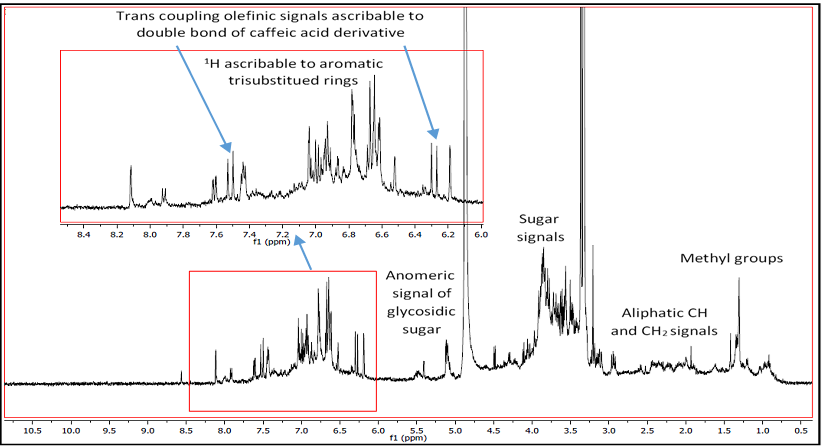
Fig. 2. 1H-NMR spectrum obtained from the analysis of T. zygis AE.
Table 3. 1H-NMR signals obtained from the analysis of the T. zygis.
| Signal 1H-NMR Resonance | Assignment |
|---|---|
| 7.52 d (J = 15.8) | H-7 of caffeic acid derivative |
| 6.30 d (J = 15.8) | H-8 of caffeic acid derivative |
| 7.05 d (J = 1.9) | H-2, H-7 of caffeic acid derivative |
| 6.94 dd (J = 1.9, 7.6) | H-6 of caffeic acid derivative |
| 6.75 d (J = 7.6) | H-5 of caffeic acid derivative |
| 6.70 d (J = 1.9) | Aromatic signal of trisubstitued ring |
| 6.68-6.62 dd and d partially overlapped | Aromatic signal of trisubstitued ring |
| 6.2 singlet (J = 2.1)-6.5 singlet (J = 1.7) | Signals ascribable to protons 6-8 of flavonol glycosides |
| Multiplets 4.80-5.5 | Anomeric signal of glycosidic sugar residues |
| 3.00-4.5 multiples | Signals ascribable to sugar residues |
| Multiplets 1.51-2.5 | Signals ascribable to CH2 and aliphatic CH |
| 1.4-1.35-1.34-1.3 singlets | Quaternary methyl groups |
| 0.79 d | Secondary methyl group |
Antibacterial activity of volatile extracts
In vitro testing, according to the minimum inhibitory (MIC) and bactericidal (MBC) concentration values, showed that T. zygis EO and HYD exhibited strong antibacterial activity against all tested strains— Staphylococcus aureus (S. aureus), Bacillus subtilis (B. subtilis), Proteus mirabilis (P. mirabilis), and Escherichia coli (E. coli)— (Table 4). All tested strains showed sensitivity to T. zygis EO from MIC of 0.125 µL/mL, whereas its bactericidal activity was shown at MBC of 0.25 µL/mL. These results align with previous studies about this EO: Drioiche et al. (2022) reported notable antibacterial activity against S. aureus (MIC = 600-1200 µg/mL), P. mirabilis (MIC = 300-1200 µg/mL), and E. coli (MIC = 75-6200 µg/mL), while Gourich et al. (2022) observed strong inhibition of E. coli (MIC= 300 µg/mL and MBC = 600 µg/mL), S. aureus (MIC= 1200 µg/mL and MBC =2500 µg/mL), and P. mirabilis (MIC= MBC =2500 µg/mL). T. zygis HYD showed the same bactericidal and bacteriostatic activities against S. aureus, P. mirabilis and E. coli (MIC=MBC= 0.062 µL/mL), when B. subtilis appeared more sensitive (MIC=MBC= 0.015 µL/mL).
Gram-negative bacteria were generally more resistant to the volatile oils, likely due to their outer membrane structure, which is absent in the simpler cell walls of Gram-positive bacteria (Basavegowda and Baek, 2021). The hydrophilic lipopolysaccharide membrane of Gram-negative bacteria restricts the passage of hydrophobic essential oil compounds (Hyldgaard et al., 2012), whereas the peptidoglycan-rich cell wall of Gram-positive bacteria facilitates the diffusion of these hydrophobic substances (Nazzaro et al., 2013).
Table 4. Minimum inhibitory and bactericide concentrations of T. zygis EO and HYD (μL/mL).
| Gram-negative | Gram-positive | |||||||||
|---|---|---|---|---|---|---|---|---|---|---|
| E. coli | Pr. mirabilis | B. subtilis | S. aureus | |||||||
| MIC | MBC | MIC | MBC | MIC | MBC | MIC | MBC | MBC/MIC ratio | ||
| EO | 0.125 | 0.250 | 0.125 | 0.250 | 0.125 | 0.250 | 0.125 | 0.250 | 2 | |
| HYD | 0.062 | 0.062 | 0.062 | 0.062 | 0.015 | 0.015 | 0.062 | 0.062 | 1 | |
The strong antibacterial activity of both EO and HYD against all tested bacteria can be largely attributed to the high concentration of phenolic compounds like carvacrol and thymol. These compounds are known for their antimicrobial properties, which stem from the acidic nature of their hydroxyl groups (Karam et al., 2020). Phenols (thymol, carvacrol, and eugenol), alcohols (α-terpineol, borneol, and menthol), aldehydes, and ketones are recognized for their broad antimicrobial spectrum (Oussalah et al., 2006). Many studies have highlighted the relationship between antimicrobial activity and the chemical composition of essential oils. These effects are often linked to the synergistic interactions between both major and minor constituents of the oil (Diao et al., 2014). Monoterpene hydrocarbons, particularly p-cymene (a precursor of thymol and carvacrol), exhibit a strong affinity for microbial membranes and disrupt their electrical potential (Nazzaro et al., 2013). As a result, key compounds such as thymol and carvacrol readily penetrate bacterial cell membranes, impair enzyme systems, cause leakage of cellular contents, and ultimately lead to cell death (Basavegowda and Baek, 2021). Differences in bacteriostatic (MIC) and bactericidal (MBC) effects between EO and HYD are mainly due to their bioactive composition, particularly the higher content of oxygenated monoterpenes in HYD. Phenolic compounds, mainly thymol and carvacrol, are far more abundant in HYD (87.66%) than in EO (59.50%), and HYD also contains notably higher levels of 4-tert-butyl-catechol (4.49% vs. 0.15%).
Antibacterial activity is assessed using the MBC/MIC ratio: values above 2 indicate bacteriostatic effects, whereas ratios of 1–2 indicate bactericidal action (Hafidh et al., 2011). As shown in Table 4, both EO and HYD exhibited ratios of 1–2 across all tested strains, with HYD showing a stronger bactericidal effect.
Antioxidant study of aqueous extract
The antioxidant activity of T. zygis AE, assessed by the DPPH assay, showed strong free radical-scavenging activity comparable to ascorbic acid, particularly at concentrations of 0.25 mg/mL (Table 2 and Figure 3).
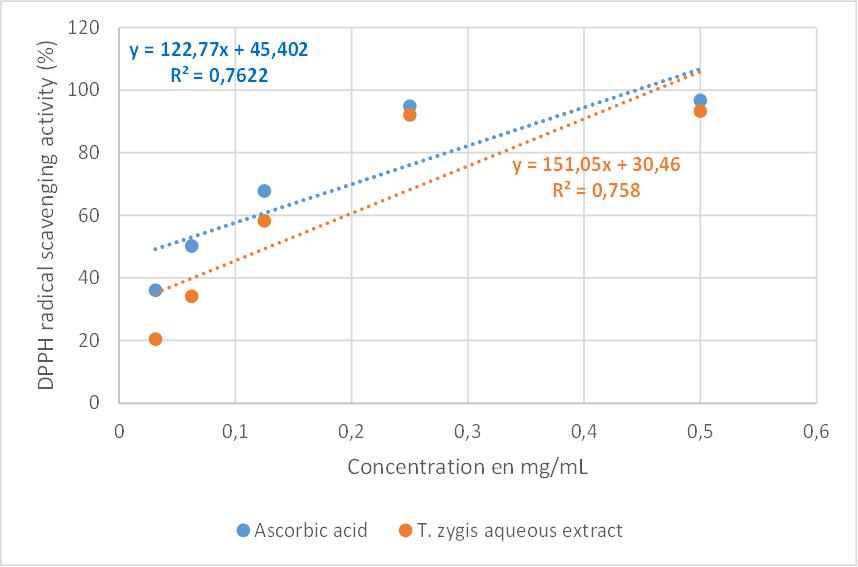
Fig. 3. DPPH free radical-scavenging capacity of Ascorbic acid and T. zygis AE.
The higher IC₅₀ values found by Khouya et al. (2015) and Ramchoun et al. (2012) for the aqueous extract of the same plant (0.44 ± 0.02 mg/mL and 0.54 ± 0.02 mg/mL, respectively), and 0.234 ± 0.001 mg/mL for the hydro-methanol extract (80/20 v/v) as reported by Bouymajane et al., in 2022, further confirming the higher activity observed in our study. The strong antioxidant activity observed herein is consistent with previous findings and is largely attributed to the high polyphenol contents of the plant extracts. These compounds—particularly caffeic acid derivatives and flavonoids, including their glycosidic forms—can neutralize free radicals by donating electrons or hydrogen atoms through their hydroxyl groups (Menković et al., 2013).
Materials and Methods
Plant materials
The aerial parts of T. zygis subsp. gracilis (Boiss.) R. Morales were collected during flowering from Boutferda in Morocco’s Middle Atlas (32°15′37″N, 5°46′13″W; 1511 m altitude), a mountainous area with a dry climate and marked seasonal rainfall and snowfall. The species was taxonomically identified by Prof. Mohamed Kadiri (University of Tetouan), and a voucher specimen (RAB 77494) was deposited in the Scientific Institute Herbarium, Mohammed V University. The plant material was then air-dried at room temperature for eight days (Moukhles et al., 2020).
Essential oil and hydrosol extract isolation
The plant material was subjected to hydrodistillation in three replicates, each using 100 g of dry plant matter and steam distillation for 3h. The extracted essential oil (EO) was dried with anhydrous sodium sulfate (Na₂SO₄), weighed, and stored in a sealed dark vial at 4°C. The hydrosol, a by-product of distillation, contains hydrophilic volatile compounds dissolved in the distilled water due to hydrogen bonding. These compounds were isolated via liquid-liquid extraction, as outlined by Paolini et al. (2008). The hydrosol (HYD) was obtained after drying the organic phase with anhydrous sodium sulfate and removing the solvent with a rotary evaporator (Moukhles et al., 2022). The average yields of both EO and HYD were calculated based on the dry plant matter.
Aqueous extract preparation
After hydrodistillation, the residual aqueous solution was cooled, filtered under vacuum to remove solid impurities, and then treated with n-butanol. The organic phase was recovered and the solvent removed using a rotary evaporator. The solid residue was purified through successive solubilizations and precipitations with methanol and ether. The final precipitate was dissolved in methanol, evaporated under reduced pressure at 64°C, and the resulting AE was weighed to determine its yield.
Gas chromatography-mass spectrometry (GC-MS)
The oils were analyzed using an Agilent Technologies GC-MS system, equipped with a DB-5MS capillary column (30 m length, 0.25 mm internal diameter, 0.25 μm film thickness) and a selective mass detector (MSD5975B, 70 eV ionization voltage). Helium was used as the carrier gas at a flow rate of 1 mL/min. The oven temperature program started at 100°C for 1 minute, gradually increased to 260°C at 4°C/min, and was held at 260°C for 10 minutes. The injector operated in split mode with a 1:100 split ratio. Compound identification was based on mass spectra comparison with Wiley and NIST libraries and available standards. Kovat’s retention indices were calculated using reference n-alkanes, following the Van Den Dool and Kratz method (1963), and consulting reference libraries or literature data (Adams, 2007). Authentic compounds were confirmed by co-injection under the same conditions. Quantification was performed using the external standard method, with calibration curves derived from GC analysis of authentic compounds.
Sample preparation and 1H-NMR analysis
A 150 mg sample of the AE was dissolved in 600 μL of deuterated solvents (360 μL CD3OD, 240 μL D2O, and 0.36 mg TSP). After ultrasonicating for 3 minutes at room temperature and vortexing for 1 minute, the mixture was centrifuged at 13,225 g for 10 minutes. Subsequently, 500 μL of the supernatant was injected into a 5 mm NMR tube for analysis. 1H NMR spectra were recorded using a Bruker Avance Neo 500 MHz spectrometer, with Tetramethylsilane (TMS) as the internal standard and Dimethyl sulfoxide (DMSO-d6) as the solvent. Chemical shifts were reported in δ (ppm). Metabolite identification was based on comparisons with an in-house library, relevant databases (Cui et al., 2008), and literature sources (Wolfender et al., 2013).
Total phenolic content evaluation (TPC)
The total phenolic content (TPC) of the AE was measured using the Folin-Ciocalteu method. In brief, 1 mL of the extract (0.1 mg/mL) was combined with 0.5 mL of Folin-Ciocalteu reagent and 1 mL of 7.5% sodium carbonate (Na₂CO₃), diluted to a final volume of 10 mL with distilled water. The mixture was incubated for 1h at room temperature, and absorbance was measured at 725 nm using a PerkinElmer Lambda 25 UV/VIS Spectrometer (Machado et al., 2013). Caffeic acid was used as the standard, and TPC was expressed as mg caffeic acid equivalents per gram of extract (mg CA eq./g extract) (Ferreira et al., 2020).
Total flavonoid content evaluation (TFC)
The total flavonoid content (TFC) of the AE was determined following the method of Jia et al. (1999). Briefly, 1 mL of extract solution (0.5 mg/mL) was mixed with 150 µL of 5% sodium nitrite and incubated at room temperature for 5 minutes. Then, 150 µL of 10% aluminum chloride was added, followed by a 6-minute incubation. Afterwards, 1 mL of 1 M sodium hydroxide was introduced, and the absorbance was measured at 510 nm using a routinely prepared standard curve. Results were expressed as milligrams of rutin equivalents per gram of extract (mg rutin eq./g extract).
Antibacterial activity
The antibacterial activity of T. zygis essential oil (EO) and hydrosol (HYD) was evaluated against four reference strains: Bacillus subtilis DCM 6633 and Proteus mirabilis CIP 104588, as well as Staphylococcus aureus ATCC 9244 and Escherichia coli K12. These strains were obtained from recognized microbial collections and laboratories in Germany, Morocco, and Belgium.
Determination of minimum inhibitory and bactericidal concentrations
The antibacterial activity was assessed using the broth microdilution method. Essential oil (EO) dilutions (2–0.0019% v/v) were prepared in LB broth containing 0.15% agar in 96-well plates, inoculated with bacteria (10⁶ CFU/mL), and incubated at 37 °C for 18 h. Resazurin was added to detect growth, and the minimum inhibitory concentration (MIC) was defined as the lowest EO concentration preventing a color change. For the minimum bactericidal concentration (MBC), samples from non-growing wells were plated; MBC was the lowest EO concentration that killed 99.9% of bacteria after 24 h (Bouhdid et al., 2008).
Antioxidant activity
The free radical-scavenging activity of the extract was evaluated using the DPPH (2,2-diphenyl-1-picrylhydrazyl) assay (DPPH solution was made freshly), following a modified version of the method by Bouyahya et al. (2017). DPPH is a stable free radical widely used for rapid and direct assessment of antioxidant activity. Absorbance was measured in the 515–520 nm range (Bozin et al., 2008; Hara et al., 2018). For the assay, 0.2 mL of aqueous extract (0.03125–0.5 mg/mL) was mixed with 1.8 mL of 0.11 mM DPPH solution in methanol, incubated in the dark at room temperature (23 ± 2 °C) for 30 minutes, and the absorbance was recorded at 517 nm. Ascorbic acid served as a positive control due to its rapid reaction with DPPH compared to other standard antioxidants (Sharma and Bhat, 2009).
The percentage of inhibition was calculated using the formula: % inhibition = [(A0 – A1)/A0] × 100, where A0 is the absorbance of the control (without extract) and A1 is the absorbance of the sample. Results are presented as the mean of three replicates. The half-maximal inhibitory concentration (IC₅₀) was determined by plotting the scavenging percentage against extract concentration and analyzing the curve using Microsoft Excel (New York, USA).
Conclusion
The study demonstrated that T. zygis exhibits both antioxidant and antibacterial activities. Its essential oil (EO) and hydrosol (HYD), rich in phenolic compounds like carvacrol and thymol, showed strong antibacterial effects against both Gram-positive and Gram-negative strains, with HYD particularly more effective against Gram-positive bacteria. The aqueous extract (AE), abundant in polyphenols, especially flavonoids, displayed potent antioxidant activity by scavenging DPPH free radicals. These findings suggest that T. zygis extracts and derivatives hold promise as natural antibacterial and antioxidant agents for food and pharmaceutical applications.
Declaration of Competing Interest
The authors declare that they have no conflict of interest.
Acknowledgements
The authors are grateful for his kind technical assistance. Abderrahman Moukhles: Conceptualization, Methodology, Formal analysis, Investigation, Resources, Writing - original draft & editing. Ismail El Bakali: Resources, Writing - review. Ali Aghmiz: Formal analysis, Investigation, Chemical analysis. Ahmed Chelouan & Mohamed kadiri: Resources, Writing - review & editing. Anas Ellaghdach & Ahmed Ibn Mansour: Data acquisition, Software, Writing - review & editing.
References
Adams RP (2007) Identification of Essential Oil Components by Gas Chromatography-Mass Spectrometry, 4th ed., Allured Publ Carol Stream, IL, USA.
Afonso AF, Pereira OR, Válega M, Silva AM, Cardoso SM (2018) Metabolites and biological activities of Thymus zygis, Thymus pulegioides, and Thymus fragrantissimus grown under organic cultivation. Molecules, 23(7), 1514. https://doi.org/10.3390/molecules23071514.
Ahmed HM, Al-Zubaidy AM, Othman-Qadir G (2022) Biological investigations on macro-morphological characteristics, polyphenolic acids, antioxidant activity of Perilla frutescens (L) Britt. grown under open field. Saudi J. Biol. Sci. 29(5), 3213-3222. https://doi.org/10.1016/j.sjbs.2022.01.059.
Amarti F, Satrani B, Ghanmi M, Farah A, Aafi A, Aarab L, El Ajjouri M, Chaouch A (2010) Chemical composition and antimicrobial activity of the Thymus algeriensis Boiss. & Reut. and Thymus ciliatus (Desf.) Benth. essential oils of Morocco. Biotechnol. Agron. Soc. Environ. 14 (1), 141-148.
Amin I, Norazaidah Y, Emmy Hainida KI (2006) Antioxidant activity and phenolic content of raw and blanched Amaranthus species. Food Chem. 94, 47-52. https://doi.org/10.1016/j.foodchem.2004.10.048.
Andrés MF, González-Coloma A, Muñoz R, De la Peña F, Julio LF, Burillo J (2018) Nematicidal potential of hydrolates from the semi industrial vapor-pressure extraction of Spanish aromatic plants. Environ. Sci. & Pollut. Res. 25(30), 29834-29840. https://doi.org/10.1007/s11356-017-9429-z.
Bajpai A, Verma AK, Srivastava M, Srivastava R (2014) Oxidative stress and major depression. J. Clin. Diagn. Res. 8(12), CC04-7. doi: 10.7860/JCDR/2014/10258.5292.
Basavegowda N, Baek KH (2021) Synergistic antioxidant and antibacterial advantages of essential oils for food packaging applications. Biomolecules. 11(9), 1267. https://doi.org/10.3390/biom11091267.
Bendif H, Peron G, Miara MD, Sut S, Dall’Acqua S, Flamini G, Maggi F (2020) Total phytochemical analysis of Thymus munbyanus subsp. coloratus from Algeria by HS-SPME-GC-MS, NMR and HPLC-MSn studies. J. Pharm. Biomed. Anal. 186, 113330. https://doi.org/10.1016/j.jpba.2020.113330.
Bouhdid S, Skali SN, Idaomar M, Zhiri A, Baudoux D, Amensour M, Abrini J (2008) Antibacterial and antioxidant activities of Origanum compactum essential oil. Afr. J. Biotechnol. 7(10),1563-1570. doi:10.4314/AJB.V7I10.58723.
Bouyahya A, Abrini J, Talbaoui A, Et-Touys A, Chatoui K, Harhar H, Bakri Y, Dakka N (2017) Phytochemical Screening, Antiradical and Antibacterial Activities of Cistus crispus from Morocco. J. Mater. Environ. Sci. 8 (5), 1560-1566.
Bouymajane A, Filali FR, El Majdoub YO, Ouadik M, Abdelilah R, Cavò E, Miceli N, Taviano MF, Mondello L, Cacciola F (2022) Phenolic compounds, antioxidant and antibacterial activities of extracts from aerial parts of Thymus zygis subsp. gracilis, Mentha suaveolens and Sideritis incana from Morocco. Chem. Biodiversity. 19(3), p.e202101018. doi: 10.1002/cbdv.202101018.
Bozin B, Mimica-Dukic N, Samojlik I, Goran A, Igic R (2008) Phenolics as antioxydants in garlic (Allium sativum L., Alliaceae). Food Chem. 111, 925-929. doi:10.1016/j.foodchem.2008.04.071.
Coimbra A, Ferreira S, Duarte AP (2022) Biological properties of Thymus zygis essential oil with emphasis on antimicrobial activity and food application. Food Chem. 393-133370. https://doi.org/10.1016/j.foodchem.2022.133370.
Cui Q Lewis IA, Hegeman AD, Anderson ME, Li J, Schulte CF, Westler WM, Eghbalnia HR, Sussman MR, Markley JL (2008) Metabolite identification via the Madison Metabolomics Consortium Database. Nat. Biotechnol. 26(2), 162-164.
Dedvisitsakul P, Watla-lad K (2022) Antioxidant activity and antidiabetic activities of Northern Thai indigenous edible plant extracts and their phytochemical constituents. Heliyon. 8(9). https://doi.org/10.1016/j.heliyon.2022.e10740.
De Oliveira AA, França LP, Ramos ADS, Ferreira JLP, Maria ACB, Oliveira KM, Jr ES, da Silva JN, Branches AD, Barros GDA, da Silva NG, Tadei WP, Amaral ACF, de Andrade Silva JR (2021) Larvicidal, adulticidal and repellent activities against Aedes aegypti L. of two commonly used spices, Origanum vulgare L. and Thymus vulgaris L. S. Afr. J. Bot. 140, 17-24. https://doi.org/10.1016/j.sajb.2021.03.005.
Diao WR, Hu QP, Zhang H, Xu JG (2014) Chemical composition, antibacterial activity and mechanism of action of essential oil from seeds of fennel (Foeniculum vulgare Mill.). Food Control. 35(1), 109–116. https://doi.org/10.1016/j.foodcont.2013.06.056.
Drioiche A, Amine S, boutahiri S Saidi S, Ailli A, Rhafouri R, Mahjoubi M, El Hilali F, Mouradi A, Eto B, Zair T (2020) Antioxidant and Antimicrobial Activity of Essential Oils and Phenolic Extracts from the Aerial Parts of Ruta montana L. of the Middle Atlas Mountains Morocco. JEOBP. 23(5), 902-917. https://doi.org/10.1080/0972060X.2020.1829995.
Drioiche A, Radi FZ, Ailli A, Bouzoubaa A, Boutakiout A, Mekdad S, AL Kamaly O, Saleh A, Maouloua M, Bousta D, Sahpaz S, EL Makhoukhi F, Zair T (2022) Correlation between the chemical composition and the antimicrobial properties of seven samples of essential oils of endemic Thymes in Morocco against multi-resistant bacteria and pathogenic fungi. Saudi Pharm. J. 30(8), 1200-1214. https://doi.org/10.1016/j.jsps.2022.06.022.
Escobar A, Pérez M, Romanelli G, Blustein G (2020) Thymol bioactivity: A review focusing on practical applications. Arab. J. Chem. 13 (12), 9243-9269. https://doi.org/10.1016/j.arabjc.2020.11.009.
Fennane M, Ibn Tattou M, Ouyahya A, El Oualidi J (2007) Flore pratique du Maroc, Angiospermae (Leguminosae-Lentibulariaceae), volume 2. Trav. Inst. Sci. Rabat, Sér. Bot, 38.
Ferreira SS, Silva P, Silva AM, Nunes FM (2020) Effect of harvesting year and elderberry cultivar on the chemical composition and potential bioactivity: A three-year study. Food Chem. 302, 125366. https://doi.org/10.1016/j.foodchem.2019.125366.
Gourich AA, Bencheikh N, Bouhrim M, Regragui M, Rhafouri R, Drioiche A, Asbabou A, Remok F, Mouradi A, Addi M, Hano C, Zair T (2022) Comparative Analysis of the Chemical Composition and Antimicrobial Activity of Four Moroccan North Middle Atlas Medicinal Plants’ Essential Oils: Rosmarinus officinalis L., Mentha pulegium L., Salvia officinalis L., and Thymus zygis subsp. gracilis (Boiss.) R. Morales. Chemistry. 4(4),1775-1788. https://doi.org/10.3390/chemistry4040115.
Hafidh RR, Abdulamir AS, Vern LS, Bakar FA, Abas F, Jahanshiri F, Sekawi Z (2011) Inhibition of growth of highly resistant bacterial and fungal pathogens by a natural product. Open Microbiol. J. 5 (1), 96–106. doi: 10.2174/1874285801105010096.
Hara K, SomeyaT, Sano K, Sagane Y, Watanabe T, Wijesekara RGS (2018) Antioxidant activities of traditional plants in Sri Lanka by DPPH free radical-scavenging assay. Data Br. 10 (17) 870-875. doi: 10.1016/j.dib.2018.02.013.
Hyldgaard M, Mygind T, Meyer RL (2012) Essential oils in food preservation: mode of action, synergies, and interactions with food matrix components. Front. Microbiol. 3, 12. doi: 10.3389/fmicb.2012.00012.
Jia Z, Tang MC, Wu JM (1999) The determination of flavonoid contents in mulberry and their scavenging effects on superoxide radicals. Food Chem. 64(4), 555-559.
Karam L, Chehab R, Osaili TM, Savvaidis IN (2020) Antimicrobial effect of thymol and carvacrol added to a vinegar-based marinade for controlling spoilage of marinated beef (Shawarma) stored in air or vacuum packaging. Int. J. Food Microbiol. 332, 108769. https://doi.org/10.1016/j.ijfoodmicro.2020.108769.
Khouya T, Ramchoun M, Hmidani A, Amrani S, Harnafi H, Benlyas M, Filali Zegzouti Y, Alem C (2015) Anti-inflammatory, anticoagulant and antioxidant effects of aqueous extracts from Moroccan thyme varieties. Asian Pac. J. Trop. Biomed. 5(8), 636-644. https://doi.org/10.1016/j.apjtb.2015.05.011.
Kumari S, Verma AK, Rungta S, Mitra R, Srivastava R, Kumar N (2013) Serum prolidase activity, oxidant and antioxidant status in nonulcer dyspepsia and healthy volunteers. Int Sch Res Notices. 2013(1), 182601. http://dx.doi.org/10.1155/2013/182601.
Li G, Ding K, Qiao Y, Zhang L, Zheng L, Pan T, Zhang L (2020) Flavonoids Regulate Inflammation and Oxidative Stress in Cancer. Molecules. 25 (23), 5628. doi: 10.3390/molecules25235628.
Machado M, Felizardo C, Fernandes-Silva AA, Nunes FM, Barros A (2013) Polyphenolic compounds, antioxidant activity and L-phenylalanine ammonia-lyase activity during ripening of olive cv. “Cobrancosa” under different irrigation regimes. Food Res. Int. 51(1), 412-421. https://doi.org/10.1016/j.foodres.2012.12.056.
Marzec M, Polakowski C, Chilczuk R, Kolodziej B (2010) Evaluation of essential oil content, it’s chemical composition and price of thyme (Thymus vulgaris L.) raw material available in Poland. Herba Pol. 56(3).
Menković N, Godevac D, Šavikin K, Zdunić G, Milosavljević S, Bojadži A, Avramoski O (2013) Bioactive Compounds of Endemic Species Sideritis raeseri Subsp. Raeseri Grown in National Park Galičica’. Rec. Nat. Prod. 7(3), 161-168.
Micucci M, Protti M, Aldini R, Frosini M, Corazza I, Marzetti C, Mattioli LB, Tocci G, Chiarini A, Mercolini L, Budriesi R (2020) Thymus vulgaris L. Essential Oil Solid Formulation: Chemical Profile and Spasmolytic and Antimicrobial Effects. Biomolecules. 4, 10(6), 860. doi: 10.3390/biom10060860.
Moukhles A, Charfi S, Zantar S, Toukour L, Ibn Mansour A (2019) Seasonal variation in yield and chemical composition of Moroccan Thymbra capitata (L.) Cav. essential oil and its corresponding hydrolat extracted essential oil. Mor. J. Chem. 7 (2), 246- 253. doi:https://doi.org/10.48317/IMIST.PRSM/morjchem-v7i2.14232.
Moukhles A, Ibn Mansour A (2020) The effect of drying time on the yield and the chemical composition of essential oil and dissolved oil in hydrolat from aerial parts of Moroccan Thymbra capitata (L.) Cav. Mediterr. J. Chem. 10 (7), 716–722. doi:10.13171/mjc10702008061491am.
Moukhles A, Ellaghdach A, Ben Driss A, El Amrani MA, Aghmiz A, Mansour AI (2022) Chemical profile and in vitro Antibacterial potential of Essential Oils and Hydrolat Extracts from Aerial Parts of Three Wild species of Moroccan Thymus. Sci. Afr. 18, e01434. doi.org/10.1016/j.sciaf.2022.e01434.
Nazzaro F, Fratianni F, De Martino L, Coppola R, De Feo V (2013) Effect of essential oils on pathogenic bacteria. Pharmaceuticals. 6(12), 1451-1474. https://doi.org/10.3390/ph6121451.
Oussalah M, Caillet S, Saucier L, Lacroix M (2006) Antimicrobial Effects of Selected Plant Essential Oils on the Growth of a Pseudomonas Putida Strain Isolated from Meat. Meat Sci. 73(2), 236-244. https://doi.org/10.1016/j.meatsci.2005.11.019.
Ozcelik B, Lee JH, Min DB (2003) Effects of light, oxygen, and pH on the absorbance of 2,2-diphenyl-1-picrylhydrazyl. J. Food Sci. 68(2), 487-490. https://doi.org/10.1111/j.1365-2621.2003.tb05699.x.
Paolini J, Leandri C, Desjobert JM, Barboni T, Costa J (2008) Comparison of liquid-liquid extraction with headspace methods for the characterization of volatile fractions of commercial hydrolats from typically Mediterranean species. J. Chromatogr. A. 1193(1-2), 37-49. https://doi.org/10.1016/j.chroma.2008.04.021.
Radi FZ, Bouhrim M, Mechchate H, Al-Zahrani M, Qurtam AA, Aleissa AM, Drioiche A, Handaq N, Zair T (2022) Phytochemical Analysis, Antimicrobial and Antioxidant Properties of Thymus zygis L. and Thymus willdenowii Boiss. Essential Oils. Plants (Basel). 22, 11(1),15. doi: 10.3390/plants11010015.
Ramchoun M, Harnafi H, Alem C, Büchele B, Simmet T, Rouis M, Atmani F, Amrani S (2012) Hypolipidemic and antioxidant effect of polyphenol-rich extracts from Moroccan thyme varieties. e-SPEN Journal. 7(3), e119-e124. https://doi.org/10.1016/j.clnme.2012.02.005.
Rodrigues V, Cabral C, Evora L, Ferreira I, Cavaleiro C, Cruz MT, Salgueiro L (2019) Chemical composition, anti-inflammatory activity and cytotoxicity of Thymus zygis L. subsp. sylvestris (Hoffmanns. & Link) Cout. essential oil and its main compounds. Arab. J. Chem. 12(8), 3236-3243. https://doi.org/10.1016/j.arabjc.2015.08.026.
Sedikelo GK, Lenetha GG, Malebo NJ (2022) Chromatography-mass spectrometry and chemical characteristics of Thymus zygis and Cymbopogon winterianus essential oils: Possible insect repellents. Sci. Afr. 1,15:e01095. https://doi.org/10.1016/j.sciaf.2022.e01095.
Shafie MH, Kamal ML, Razak NAA, Hasan S, Uyup NH, Rashid NFA, Zafarina Z (2022) Antioxidant and Antimicrobial Activity of Plant Hydrosol and Its Potential Application in Cosmeceutical Products. undishapur J. Nat. Pharm. Prod. 17(4), e124018. doi: 10.5812/jjnpp-124018.
Sharma OP, Bhat TK (2009) Analytical Methods DPPH antioxidant assay revisited. Food Chem. 113(4), 1202-1205. doi:10.1016/j.foodchem.2008.08.008.
Sies H (1985) Oxidative stress: introductory remarks.[In] Sies H.(ed.) Oxidative Stress; Academic Press, pp 1- 8.
Silva AM, Martins-Gomes C, Souto EB, Schäfer J, Santos JA, Bunzel M, Nunes FM (2020) Thymus zygis subsp. zygis an endemic portuguese plant: Phytochemical profiling, antioxidant, anti-proliferative and anti-inflammatory activities. Antioxidants. 9(6), 482. https://doi.org/10.3390/antiox9060482.
Smith MA, Rottkamp CA, Nunomura A, Raina AK, Perry G (2000) Oxidative stress in Alzheimer’s disease. BBA - Mol. Basis Dis. 1502(1), 139-144. doi: 10.1016/s0925-4439(00)00040-5.
Stahl-Biskup E, Saez F (2002) Edit. Thyme: The genus Thymus; Taylor and Francis, London, pp 1-43.
Van Den Dool H, Kratz PD (1963) A generalization of the retention index system including linear temperature programmed gas-liquid partition chromatography. J. Chromatogr. A.11, 463-471. doi: 10.1016/S0021-9673(01)80947-X.
Verma AK, Chandra S, Singh RG, Singh TB, Srivastava S, Srivastava R (2014) Serum prolidase activity and oxidative stress in diabetic nephropathy and end-stage renal disease: A correlative study with glucose and creatinine. Biochem. Res. Int. 2014(1), 291458. doi: 10.1155/2014/291458. Epub 2014.
Verma AK, Raj J, Sharma V, Singh TB, Srivastava S, Srivastava R (2015) Plasma Prolidase Activity and Oxidative Stress in Patients with Parkinson's Disease. Parkinson’s disease. 2015(1), 598028 Doi :10.1155/2015/598028.
Wolfender JL, Rudaz S, Choi YH, Kim HK (2013) Plant metabolomics: From holistic data to relevant biomarkers. Curr. Med. Chem. 20(8), 1056-1090. https://doi.org/10.2174/092986713805288932.
Zayyad N, Farah A, Bahlou J (2014) Chemical analysis and antibacterial activity of essential oils from three species of Thymus: T. zygis, T. algeriensis and T. bleicherianus. Bull. Société R. Sci. Liège 83, 118-132. https://popups.uliege.be/0037-9565/index.php?id=4508&file=1.