Australian Journal of Crop Science
Article | https://doi.org/10.21475/ajcs.26.20.06.pne136
Submitted: 23 September 2025 | Revised: 21 December 2025 | Accepted: 24 April 2026
Pages 450-459
Yield and bulb quality of shallots (Allium cepa L.) under different agro-ecological conditions on sub-optimal land
Rajiman¹*, Sari Megawati¹, Agus Wartapa¹, Muhammad Arya Jabbar Rohman¹, Arif Anshori²
¹Politeknik Pembangunan Pertanian Yogyakarta–Magelang,
Yogyakarta City 55162, Indonesia
²National Research and Innovation Agency (BRIN), Central Jakarta 10340,
Indonesia
*Corresponding author: rajimanwin@gmail.com
Abstract: The development of shallots (Allium cepa L.) as a strategic horticultural commodity requires suitable agricultural land; however, most available land is sub-optimal and characterized by diverse agro-ecological conditions. These conditions strongly influence shallot productivity and bulb quality. This study aimed to evaluate the yield and bulb quality of shallots cultivated under different agro-ecological systems. The research was conducted in Yogyakarta Province, Indonesia, from February to October 2024, using a randomized complete block design with three replications. The treatments comprised Sleman paddy fields (SLS), Kulon Progo sandy land (KPS), Kulon Progo paddy fields (KPP), Gunung Kidul dry land (GKK), Bantul paddy fields (BTS), Bantul sandy land (BTP), and Bantul dry land (BTK). Yield and bulb quality parameters were analyzed using analysis of variance (ANOVA) followed by the 5% honestly significant difference (HSD) test. Rainfall data and soil characteristics were analyzed descriptively, while factors contributing to performance variation were identified using principal component analysis (PCA). The results demonstrated that agro-ecological systems significantly affected shallot yield and bulb quality, with the Bantul dry land (BTK) agro-ecosystem producing the highest yield and quality. Each agro-ecosystem exhibited distinct soil and climatic characteristics. PCA revealed that yield performance variation was primarily influenced by bulb diameter, bulb weight, total soluble solids, and overall productivity. These findings highlight the importance of site-specific agro-ecological management to optimize shallot production on sub-optimal land.
Keywords: Agro-ecology, Bulb Quality; Principal component analysis; Shallot, Soil fertility, and Yield performance.
Abbreviations: ANOVA_Analysis of variance; BA_6-benzylaminopurine;BTK_Bantul upland; BTP_Bantul sandy land; BTS_Bantul paddy field; CEC_Cation exchange capacity; GKK_Gunung Kidul upland; HSD_Honestly Significant Difference; IBM SPSS_International Business Machines Statistical Package for the Social Sciences; KPP_Kulon Progo coastal sandy land; KPS_Kulon Progo paddy field; NAA_naphthaleneacetic acid; PCA_Principal component analysis; RCBD_Randomized complete block design; SLS_Sleman paddy field; TSS_Total soluble solids; WAP_Weeks after planting.
Introduction
The implementation of shallot (Allium cepa L.) cultivation is a key strategy for achieving food economic security (Dewi et al., 2024; Ekowati et al., 2023). Shallot production decreased from 2,004,590 tons in 2021 to 1,985,230 tons in 2023 due to reductions in harvested area and productivity (BPS, 2024; Saptana et al., 2021). The development of shallot cultivation is constrained by environmental conditions and soil quality that limit crop production (Manik et al., 2023; Yuniarti et al., 2023). The expansion of shallot cultivation therefore requires the utilization of sub-optimal land. Sub-optimal land refers to agricultural land with physical, chemical, and biological constraints that limit plant growth. These constraints include low or high soil pH, unsuitable soil texture, nutrient and water deficiencies (Hawayanti et al., 2024), iron (Fe) and aluminum (Al) toxicity, and deficiencies of essential nutrients such as nitrogen (N), phosphorus (P), potassium (K), calcium (Ca), and magnesium (Mg) (Sirappa et al., 2020). In shallot cultivation, soil acidity affects nutrient availability, particularly phosphorus and calcium, which are critical for bulb development.
Sub-optimal land includes dry land, sandy land, and paddy fields. Dry land has the potential to be developed for crop production when supported by appropriate management practices (Arista et al., 2023). Increasing shallot production requires collaboration among policy frameworks, sustainable agricultural practices, seed technology, flexible agricultural infrastructure, and strong institutional support (Arfiana et al., 2024; Sutardi et al., 2022). The success of shallot production also requires attention to ecological aspects related to soil type and agricultural management (De et al., 2022; Kakisina, 2023; Tandi et al., 2021). Plant growth, photosynthesis, and assimilate distribution are influenced by soil fertility, organic matter content, the availability of nitrogen, phosphorus, and potassium (Adeyolanu et al., 2020), as well as soil macrofauna activity and biogeochemical cycles (do Bonfim Neto et al., 2022; Kataka et al., 2023; Yuniarti et al., 2023). Sandy soils often experience nutrient deficiencies, resulting in reduced shallot bulb size and lower plant productivity (Kumar et al., 2021). Conversely, soils enriched with organic matter and managed through crop rotation can increase plant yields and improve soil fertility (Syamsiah et al., 2020). Climatic and ecological changes require effective adaptation strategies to sustainably increase shallot productivity (de Souza Florentim et al., 2020; Lasmini et al., 2021; Umeri & Atusa, 2024; Wyllie de Echeverria & Thornton, 2019; Yang et al., 2019).
Shallot development efforts increasingly focus on the utilization of sub-optimal land, including dry land, coastal sandy land, and paddy fields. Each agro-ecological type exhibits distinct characteristics, as presented in Table 1, including differences in soil type, soil fertility, and climatic conditions. Variations in agro-ecological characteristics across sub-optimal land can significantly affect shallot bulb yield and quality. Therefore, this study was conducted to evaluate the yield and bulb quality of shallots cultivated under different agro-ecological conditions on sub-optimal land.
Results
Soil characteristics and rainfall across agro-ecologies
The characteristics of each agro-ecological system on sub-optimal land are presented in Table 1. Soil pH (H₂O) was categorized as slightly acidic to neutral, organic carbon (OC) content ranged from very low to low, total nitrogen (TN) content was moderate to high, total phosphorus content was very high, and available phosphorus content ranged from high to very high. Total potassium content varied from very low to moderate, while available potassium (AK) content ranged from low to very high, and cation exchange capacity (CEC) varied among sites.
Vertisol soils were characterized by a clay texture, moderately acidic to neutral pH, low phosphorus content, high potassium content, and high to very high cation exchange capacity (CEC) (Putra et al., 2018), as well as low nitrogen content (Rajiman et al., 2021). However, Vertisol soils may also exhibit alkaline conditions and very low P₂O₅ and K₂O contents, which represent limiting factors for plant productivity (Sukmasari et al., 2020). Regosol soils exhibited slightly acidic to near-neutral pH, sufficient phosphorus and potassium contents, high calcium, magnesium, and sulfur levels, and moderate total nitrogen content. Overall, sub-optimal land shows potential for shallot development when managed appropriately.
Coastal sandy soils exhibited low organic carbon, nitrogen, and potassium contents, but relatively high phosphorus availability (Putra et al., 2018). These soils are characterized by low water-holding capacity, high evaporation rates, poor nutrient retention, and low inherent productivity, which negatively affect shallot cultivation (Budiyanto, 2023). Sandy soils generally have a pH range of 6.0–7.0, which is considered optimal for shallot cultivation (Martani et al., 2011).
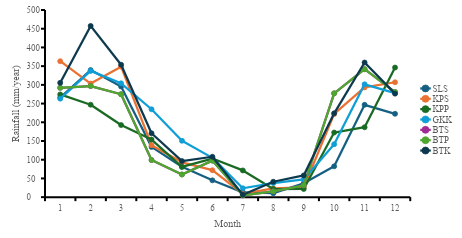
Monthly rainfall patterns across the agro-ecological zones are presented in Figure 1. All locations experienced a typical dry season from May to October, with low rainfall occurring primarily from May to August, which coincided with the shallot growing period. This indicates that cultivation was conducted predominantly under dry-season conditions, while variations in rainfall among locations influenced irrigation requirements.
Table 1. Soil characteristics of some agro-ecologies in sub-optimal lands.
| Parameter | Method | SLS | KPS | KPP | GKK | BTS | BTP | BTK |
|---|---|---|---|---|---|---|---|---|
| Sand (%) | Pipette method | 91.68 | 40.44 | 94.21 | 40.44 | 3.97 | 93.16 | 47.82 |
| Silt (%) | 6.65 | 50.66 | 3.50 | 50.66 | 68.83 | 4.47 | 40.26 | |
| Clay (%) | 1.67 | 8.90 | 2.29 | 8.90 | 27.20 | 2.37 | 11.92 | |
| Texture class | Sand | Loam | Sand | Loam | Sandy clay loam | Sand | Loam | |
| pH (H₂O) | 1:5 | 5.4 (acidic) | 4.7 (acidic) | 6.0 (slightly acidic) | 6.6 (neutral) | 5.2 (acidic) | 6.4 (slightly acidic) | 6.9 (neutral) |
| Organic C (%) | Walkley-Black | 0.52 (very low) | 0.91 (very low) | 0.60 (very low) | 1.13 (low) | 0.87 (very low) | 0.64 (very low) | 1.51 (low) |
| Total N (%) | Kjeldahl | 0.55 (high) | 0.47 (moderate) | 0.40 (moderate) | 0.41 (moderate) | 0.49 (moderate) | 0.37 (moderate) | 0.51 (high) |
| Total P (mg/100 g) | HCl 25% | 159.6 (very high) | 204.4 (very high) | 178.6 (very high) | 194.4 (very high) | 183.8 (very high) | 186.8 (very high) | 207.5 (very high) |
| Available P (ppm) | Olsen | 101.3 (very high) | 186.3 (very high) | 78.4 (very high) | 19.9 (low) | 175.5 (very high) | 85.2 (very high) | 63.8 (very high) |
| Available K (ppm) | NH₄OAc | 344.2 (very high) | 450.7 (very high) | 108.4 (very high) | 50.2 (low) | 33.4 (low) | 98.1 (very high) | 186.5 (very high) |
| CEC (cmol/kg) | NH₄OAc | 11.2 (low) | 17.1 (moderate) | 8.8 (low) | 17.8 (moderate) | 35.2 (high) | 5.3 (very low) | 16.9 (moderate) |
Figure 1. Monthly rainfall distribution some agro-ecologies in sub-optimal land (Feb–Oct 2024).
Table 2. Fresh biomass of shallots per clump at harvest some agro-ecologies in sub-optimal lands.
| Agro-ecology | Total biomass (g/clump) | Bulb weight (g/clump) | Leaf weight (g/clump) |
|---|---|---|---|
| SLS | 94.73 ± 12.54 bc | 60.33 ± 7.94 bcd | 35.00 ± 3.86 ab |
| KPS | 141.90 ± 29.97 a | 111.09 ± 21.54 a | 28.46 ± 9.72 bc |
| KPP | 54.79 ± 6.40 d | 40.27 ± 4.61 d | 12.73 ± 2.76 d |
| GKK | 84.20 ± 8.35 cd | 56.80 ± 3.61 bcd | 27.40 ± 4.80 bc |
| BTS | 127.40 ± 1.51 ab | 85.53 ± 2.04 ab | 41.33 ± 2.34 a |
| BTP | 49.53 ± 2.99 d | 37.27 ± 0.86 d | 12.26 ± 2.15 d |
| BTK | 97.05 ± 8.39 bc | 76.99 ± 8.88 bc | 19.29 ± 2.03 cd |
| HSD | 35.86 | 26.14 | 11.91 |
| CV (%) | 14.09 | 14.25 | 17.23 |
Notes: The same letters behind the numbers in the column indicate no significant difference with the 5% HSD test.
Fresh biomass at harvest
Agro-ecological conditions significantly affected fresh biomass and productivity per hectare. Analysis of fresh biomass per clump showed that the KPS agro-ecology produced the highest total biomass and bulb weight, although these values were not significantly different from those observed in the BTS agro-ecology. In contrast, the KPP and BTP agro-ecologies exhibited the lowest fresh biomass accumulation (Table 2).
Soils with higher fertility and adequate moisture promote greater biomass accumulation. The BTS, KPS, and BTK agro-ecologies produced higher fresh biomass than the KPP and BTP agro-ecologies. Askari-Khorasgani and Pessarakli (2019) reported that increased soil fertility enhances assimilate allocation to leaves and bulbs, thereby increasing total plant biomass.
Dry biomass after curing
Agro-ecological conditions significantly affected dry biomass accumulation in bulbs and leaves after curing (Table 3). The curing process reduced water content and increased the relative proportion of dry matter. Rashid & Hama-Salih (2022) reported that nutrient uptake efficiency and photosynthetic capacity determine the distribution of photoassimilates within the plant. Differences in soil fertility and water availability among agro-ecologies contributed to variation in dry matter accumulation. Furthermore, differences in soil chemical properties (N, C, pH, P, Ca, Mg, and K) and soil biotic activity (Kataka et al., 2023) explain the observed variation in dry biomass accumulation across agro-ecological systems.
Productivity performance
Agro-ecological conditions significantly affected shallot yield per hectare (Table 4). The highest bulb yields were obtained in the BTS and BTK agro-ecologies, although the difference between these two systems was not statistically significant. Overall, shallot productivity in this study exceeded the average yield reported for Yogyakarta Province (Kementerian Pertanian, 2016), except for the BTP agro-ecology, which exhibited the lowest productivity relative to the provincial average. The low productivity observed in BTP was attributed to very low organic matter content, limited nutrient-holding capacity, and poor soil structure. These findings are consistent with those of Marta et al. (2020), who reported that shallot yield is strongly influenced by soil fertility. Similarly, Lasmini et al. (2021) demonstrated that nitrogen, phosphorus, and potassium enhance photosynthesis, bulb organ development, and carbohydrate accumulation.
Overall, the results indicate that agro-ecological conditions significantly influence shallot productivity. The KPS and BTS agro-ecologies, characterized by higher soil fertility and better water-holding capacity, produced the greatest fresh biomass. The BTK
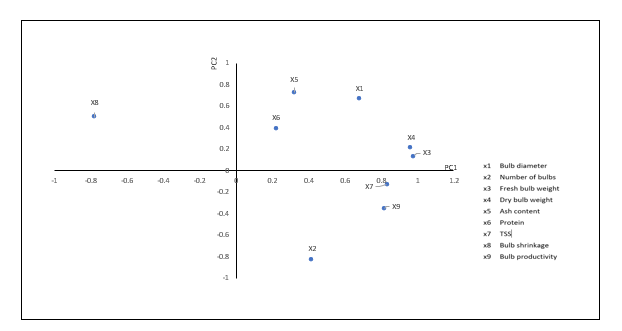
Figure 2. PCA showing the relationship parameter of yield and quality shallot.
Table 3. Dry biomass of shallots per clump after curing some agro-ecologies in sub-optimal lands.
| Agro-ecology | Total biomass (g/clump) | Bulb weight (g/clump) | Leaf weight (g/clump) |
|---|---|---|---|
| SLS | 51.20 ± 7.15 cd | 47.40 ± 7.08 cd | 3.87 ± 0.23 ab |
| KPS | 95.07 ± 20.46 a | 90.00 ± 19.47 a | 5.07 ± 1.30 a |
| KPP | 34.47 ± 3.52 d | 32.47 ± 2.93 d | 2.00 ± 0.60 b |
| GKK | 50.63 ± 2.50 cd | 47.73 ± 2.41 cd | 2.90 ± 0.26 ab |
| BTS | 77.20 ± 0.20 ab | 72.07 ± 2.34 ab | 5.13 ± 2.14 a |
| BTP | 28.13 ± 1.42 d | 25.93 ± 1.33 d | 2.20 ± 0.53 b |
| BTK | 68.73 ± 8.36 bc | 65.73 ± 8.39 bc | 3.00 ± 0.20 ab |
| HSD | 24.80 | 24.33 | 2.37 |
| CV (%) | 15.61 | 16.28 | 25.06 |
Notes: The same letters after the numbers in the column indicate no significant difference with the 5% HSD test.
Table 4. Shallot productivity at harvest and after curing some agro-ecologies in sub-optimal lands.
| Agro-ecology | Fresh biomass (q/ha) | Dry biomass (q/ha) | Bulb yield (q/ha) | Shrinkage (%) |
|---|---|---|---|---|
| SLS | 195.43 ± 8.87 b | 120.90 ± 5.43 b | 111.91 ± 5.60 b | 38.03 ± 4.28 cd |
| KPS | 183.08 ± 63.38 b | 136.93 ± 37.32 b | 130.22 ± 37.22 ab | 23.44 ± 9.59 ab |
| KPP | 193.92 ± 35.65 b | 150.37 ± 26.44 ab | 142.78 ± 24.62 ab | 22.39 ± 0.59 a |
| GKK | 236.28 ± 6.18 b | 155.08 ± 3.97 ab | 149.72 ± 4.79 ab | 34.37 ± 0.04 ab |
| BTS | 335.25 ± 18.89 a | 196.19 ± 4.42 a | 183.73 ± 3.02 a | 41.40 ± 2.05 d |
| BTP | 91.11 ± 19.31 c | 66.52 ± 15.12 c | 61.43 ± 14.37 c | 27.14 ± 1.05 abc |
| BTK | 244.14 ± 13.13 b | 191.53 ± 10.90 a | 183.30 ± 10.74 a | 21.56 ± 0.26 a |
| HSD | 83.96 | 53.85 | 60.14 | 11.42 |
| CV (%) | 14.49 | 13.51 | 15.42 | 13.99 |
Notes: The same letters after the numbers in the column indicate no significant difference with the 5% HSD test.
agro-ecology exhibited the highest dry matter accumulation and bulb yield, whereas the BTP and KPP agro-ecologies produced the lowest yields. Coastal sandy soils were characterized by very low organic matter, low nutrient-holding capacity, and high evaporation rates, which negatively affected shallot productivity. Shallot yield was strongly influenced by nitrogen, phosphorus, and potassium availability, which are essential for chlorophyll formation, protein and carbohydrate synthesis, root development, and cell formation. These findings are supported by Hasanah et al. (2023); Rebolledo-Martínez et al. (2023), who reported that cultivation technology plays a key role in nutrient uptake efficiency and dry matter accumulation.
Bulb quality of shallots
Agro-ecological conditions had a significant impact on bulb diameter, number of bulbs per clump, total soluble solids (TSS), and ash content. The KPP and BTP agro-ecologies produced bulbs with smaller diameters, whereas the SLS, KPS, GKK, BTS, and BTK
Table 5. Quality traits of shallot bulbs across agro-ecologies in Yogyakarta, Indonesia.
| Agro-ecology | Bulb diameter (cm) | Bulb number (clump⁻¹) | TSS (°Brix) | Ash (%) | Protein (%) |
|---|---|---|---|---|---|
| SLS | 2.25 ± 0.13 a | 9.07 ± 1.86 b | 10.67 ± 0.33 ab | 2.63 ± 0.12 a | 2.18 ± 0.66 a |
| KPS | 2.25 ± 0.10 a | 18.40 ± 5.17 a | 9.18 ± 1.30 b | 2.13 ± 0.22 ab | 2.76 ± 0.03 a |
| KPP | 1.54 ± 0.07 b | 14.40 ± 0.20 ab | 11.15 ± 0.20 ab | 2.09 ± 0.33 ab | 1.99 ± 0.32 a |
| GKK | 2.22 ± 0.15 a | 9.33 ± 0.23 b | 11.85 ± 0.47 a | 1.98 ± 0.17 b | 2.27 ± 0.08 a |
| BTS | 2.27 ± 0.04 a | 12.80 ± 0.20 ab | 10.29 ± 0.70 ab | 2.55 ± 0.22 ab | 2.26 ± 0.28 a |
| BTP | 1.52 ± 0.24 b | 15.87 ± 0.99 ab | 10.57 ± 0.89 ab | 2.09 ± 0.35 ab | 2.25 ± 0.07 a |
| BTK | 2.18 ± 0.15 a | 12.80 ± 2.96 ab | 11.18 ± 0.88 ab | 2.11 ± 0.16 ab | 2.58 ± 0.09 a |
| HSD | 0.40 | 6.50 | 2.20 | 0.66 | 0.89 |
| CV (%) | 7.23 | 17.92 | 7.49 | 10.99 | 13.89 |
Notes: The same letters after the numbers in the column indicate no significant difference with the 5% HSD test.
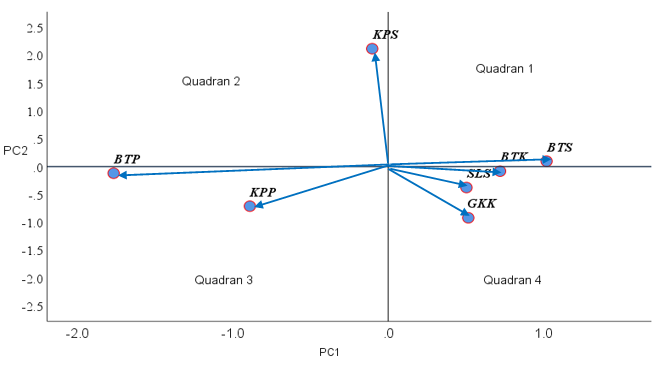
Figure 3. Biplot showing the relationship between agro-ecologies and shallot yield and quality traits.
agro-ecologies produced larger bulbs. Bulb development is strongly influenced by soil fertility and soil moisture conditions. Tandi et al. (2021) reported that shallot bulb development is affected by soil fertility, microclimatic conditions, and other environmental factors. Agro-ecological conditions also significantly influenced the number of bulbs per clump. The highest number of bulbs per clump was observed in the KPS agro-ecology, while the lowest numbers were recorded in the SLS and GKK agro-ecologies. This variation is associated with differences in vegetative growth and the allocation of photosynthates to reproductive organs.
According to Odame et al. (2020), plant adaptation to ecological conditions is reflected in changes in clump size and bulb growth. Total soluble solids (TSS) serve as an indicator of carbohydrate accumulation in bulbs. Higher TSS values observed in the GKK and BTK agro-ecologies indicate greater carbohydrate accumulation resulting from photosynthesis, respiration, and nutrient uptake processes (Rashid & Hama-Salih, 2022).
The results also demonstrated that soil fertility plays a key role in dry matter formation in shallot bulbs. The SLS and BTS agro-ecologies produced the highest ash content, whereas the GKK agro-ecology exhibited the lowest ash content. No significant differences were observed in bulb protein content among agro-ecological systems. Soil fertility influences bulb quality through the availability of essential nutrients. Kataka et al. (2023) reported that soil nutrients, including nitrogen, carbon, phosphorus, calcium, magnesium, and potassium, together with soil fauna activity and microclimatic conditions, contribute to variations in bulb quality.
Overall, sub-optimal agro-ecological systems such as BTK, GKK, BTS, SLS, and KPS produced bulbs with larger diameters and higher TSS values, whereas the KPP and BTP agro-ecologies produced significantly smaller bulbs. These findings are consistent with those of Tandi et al. (2021), who reported that each agro-ecological system presents specific challenges for crop production.
Furthermore, Odame et al. (2020) emphasized that plant adaptability and organ development are reflected in bulb size and bulb number. Variation in TSS among shallot bulbs grown under sub-optimal agro-ecological conditions highlights the role of soil nutrient availability in carbohydrate accumulation. Rashid & Hama-Salih (2022) stated that photosynthesis, respiration, and nutrient translocation processes contribute to changes in TSS content. Differences in ash content are attributed to variations in nutrient availability across soil types (Kataka et al., 2023).
Correlation between agro-ecology, yield, and bulb quality
The yield and bulb quality traits of shallots across different agro-ecological systems were analyzed using principal component analysis (PCA). The PCA results are presented in Figure 2. The first principal components showed positive correlations with bulb diameter (x1), fresh bulb weight (x3), dry bulb weight (x4), ash content (x5), and protein content (x6). In contrast, negative correlations were observed for the number of bulbs per clump (x2), total soluble solids (TSS) (x7), and bulb productivity (x9). PCA is a multivariate statistical technique that simplifies complex datasets by grouping multiple traits into composite variables, thereby facilitating the identification of key traits and their relationships with the production environment (Yassi et al., 2023).
Biplot analysis was used to visualize the distribution of agro-ecological systems on sub-optimal land based on similarities in yield and bulb quality parameters (Figure 3). The agro-ecological systems were grouped into four quadrants: (1) Quadrant I: BTK and BTS; (2) Quadrant II: KPS; (3) Quadrant III: BTP and KPP; and (4) Quadrant IV: SLS and GKK. Agro-ecological systems located in Quadrant I were associated with superior yield and bulb quality performance, whereas those in Quadrant III were characterized by relatively lower performance.
Previous studies have demonstrated that biplot analysis is an effective tool for evaluating crop performance across diverse environments (Ghani et al., 2016; Yang et al., 2019). Biplot analysis enables rapid and accurate assessment of both varietal and environmental performance (Giang et al., 2024). Similarly, Wondaferew et al. (2024) reported that agro-ecological systems located closer to the origin of the biplot tend to exhibit more stable performance. PCA has been widely applied in crop improvement studies, including the selection of irrigation systems for different soil types (Yassi et al., 2023), genotype evaluation in strawberry (Alnayef et al., 2022), and optimization of NPK fertilization strategies in maize (Padjung et al., 2024). Therefore, PCA provides a robust analytical approach for assessing the effectiveness of agro-ecological systems in supporting shallot production and guiding site-specific land management strategies.
Materials and Methods
Study sites and experimental design
From February to October 2024, the study was conducted in Yogyakarta Province, Indonesia, across several agro-ecological systems located on sub-optimal land. The characteristics of each agro-ecological system are presented in Table 6, and the map of the research locations is shown in Figure 4. The experiment was arranged using a randomized complete block design (RCBD) with three replications.
Plant establishment and management
Land preparation was carried out by tilling the soil to a depth of 20 cm and forming raised beds measuring 1 m × 3 m. Basal fertilization was applied at a rate of 10 t ha⁻¹ of organic manure and 150 kg ha⁻¹ of NPK (15:15:15). Shallot bulbs of the Tajuk variety, which had been stored for three months, were used as planting material. The bulbs were planted at a spacing of 15 × 20 cm. Irrigation was applied daily until five days before harvest. Topdressing fertilization was conducted twice, at 3 and 5 weeks after planting (WAP), using NPK at a rate of 150 kg ha⁻¹. Harvesting was carried out at 56 days after planting.
Soil and climate data collection
Composite soil samples were collected from each agro-ecological system at a depth of 0–20 cm. Soil parameters analyzed included texture, soil pH (H₂O), organic carbon, total nitrogen, total phosphorus and potassium (extracted using 25% HCl), available phosphorus (Olsen method), available potassium (NH₄OAc, pH 7), and cation exchange capacity (CEC), following standard procedures described by Eviati and Sulaeman (2009). Rainfall data were obtained from the Indonesian Agency for Meteorology, Climatology, and Geophysics (BMKG).
Plant measurements
At harvest, the following parameters were measured: (a) fresh biomass per clump, including shoots, bulbs, and leaves, and dry biomass after curing; (b) bulb diameter (cm), number of bulbs per clump, and yield productivity (t ha⁻¹); and (c) bulb quality traits, including total soluble solids (°Brix), ash content (%), and protein content (%). Harvest weight loss was calculated based on the difference between fresh and dry bulb weights.
Data analysis
Soil characteristics and rainfall data were analyzed using descriptive statistical methods (Creswell, 2014). All statistical analyses were performed using IBM SPSS Statistics version 25 (IBM Corp., Armonk, NY, USA). Shallot yield and bulb quality data were subjected to analysis of variance (ANOVA), and mean comparisons were conducted using the honestly significant difference (HSD) test at a significance level of p < 0.05. Multivariate relationships among yield and bulb quality traits were evaluated using
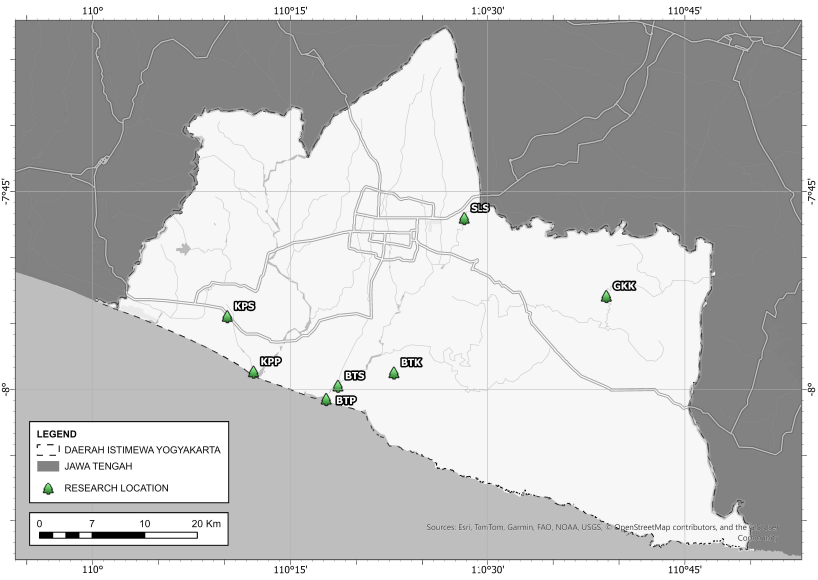
Figure 4. The map of research location agroecology in sub-optimal land.
Table 6. Characteristics of some agroecological in sub-optimal land.
| No | Agro-ecological | Characteristics |
|---|---|---|
| 1 | KPS | Vertisol with clay texture; expands when wet and shrinks when dry; high fertility; slightly acidic pH; moderate organic C and total N; very high total and available P and K; moderate total K and CEC. Rainfall 2,199.5 mm/year (3 wet, 3 dry months); climate D2. |
| 2 | KPP | Sandy soil dominated by sand fractions; low water retention, high water loss, very low fertility; acidic pH; very low organic C; moderate total N; very high total and available P and K; very low total K and low CEC. Rainfall 1,872.2 mm/year (6 wet, 5 dry months); climate C3. |
| 3 | BTS | Vertisol with sandy clay loam texture; expansive soil; high fertility; acidic pH; very low organic C; moderate total N; very high total and available P; high available K; moderate total K and high CEC. Rainfall 2,061.1 mm/year (6 wet, 6 dry months); climate C3. |
| 4 | BTP | Sandy soil with low water retention and very low fertility; slightly acidic pH; very low organic C; moderate total N; high total P; very high available K; low total K and very low CEC. Rainfall 2,061.1 mm/year (6 wet, 6 dry months); climate C3. |
| 5 | BTK | Vertisol with clay texture; expansive soil; high fertility; neutral pH; low organic C; high total N and P; very high available K; low total K and very low CEC. Rainfall 2,457 mm/year (6 wet, 3 dry months); climate C2. |
| 6 | SLS | Regosol with sandy texture; low water retention and fertility; slightly acidic pH; very low organic C; high total N; very high total and available P and K; low total K and CEC. Rainfall 1,773.4 mm/year (5 wet, 6 dry months); climate C3. |
| 7 | GKK | Vertisol with clay texture; expansive soil; high fertility; neutral pH; low organic C; moderate total N; very high total P; high available P and K; very low total K and moderate CEC. Rainfall 2,224.4 mm/year (6 wet, 3 dry months); climate C2. |
principal component analysis (PCA). Agro-ecological position and performance were further assessed using biplot analysis, following the approaches described by (Kamakaula, 2024; Wyllie de Echeverria & Thornton, 2019; Yang et al., 2019).
Conclusion
Agro-ecological systems on sub-optimal land exhibit diverse soil and climatic characteristics, including variations in soil texture, pH, organic matter content, nitrogen, phosphorus, and potassium availability, cation exchange capacity (CEC), and rainfall. Agro-ecological conditions on sub-optimal land significantly affected fresh and dry biomass parameters (total biomass, bulbs, and leaves) per clump, productivity (fresh biomass, dry biomass, and bulb yield) per hectare, post-harvest shrinkage, bulb diameter, number of bulbs per clump, total soluble solids (TSS), and ash content, but had no significant effect on protein content. The BTS and BTK agro-ecologies consistently produced the highest shallot yields and superior bulb quality traits, including larger bulb diameters, higher soluble solids content, and lower post-harvest shrinkage. Principal component analysis (PCA) revealed positive correlations among bulb diameter (x1), fresh bulb weight (x3), dry bulb weight (x4), ash content (x5), and protein content (x6), whereas negative correlations were observed for the number of bulbs per clump (x2), TSS (x7), and bulb productivity (x9). Biplot analysis further demonstrated that the performance of shallot cultivation on sub-optimal land was clearly differentiated among agro-ecological systems, with BTK and BTS grouped in Quadrant I, KPS in Quadrant II, BTP and KPP in Quadrant III, and SLS and GKK in Quadrant IV. These findings indicate that agro-ecological differentiation plays a critical role in determining shallot yield and bulb quality on sub-optimal land.
Acknowledgments
We would also like to thank the Director of the Yogyakarta Magelang Agricultural Development Polytechnic and farmers in Sleman, Kulon Progo, Gunung Kidul, and Bantul for their collaboration during field trials.
Statement of Contributions
R was responsible for the experimental design, field supervision, and overall coordination of the study. SM contributed to data collection, laboratory analysis, and drafting of the methodology section. AW assisted in field management, sampling, and preliminary data analysis. MAJR was involved in statistical analysis, preparation of tables and figures, and drafting the results. AA contributed to data interpretation, literature review, and critical revision of the manuscript. All authors read and approved the final version of the manuscript.
Conflict of Interest Statement
The authors declare that there is no conflict of interest regarding the publication of this manuscript. The funding body had no role in the design of the study, data collection, data analysis, interpretation, or writing of the manuscript.
Ethical approval and consent statement
This study did not involve human participants or animals; therefore, formal ethical approval was not required. Field experiments were conducted with prior permission from local farmers and landowners, and all activities complied with institutional, national, and international standards for responsible research practices.
References
Adeyolanu OD, Oluwatosin GA, Denton AO, Adelana AO, Are KS & Adediran JA (2020) Quality assessment and suitability evaluation of soils under tuber-based cropping system in Katsina Ala Local Government Area, Benue State, Nigeria. Journal of Applied Sciences and Environmental Management 24(8): 1341–1350. https://doi.org/10.4314/jasem.v24i8.6
Alnayef M, Hartley J, Orsini F, Di Silvestro R, Sanoubar R, Marotti I, Gianquinto G, Dinelli G & Puniran-Hartley N (2022) Using salinity to improve nutritional and market value of strawberries. Australian Journal of Crop Science 16(1): 7–17. https://doi.org/10.21475/ajcs.22.16.01.p2910
Arfiana, Finalis ER, Noor I, Tjahjono EW, Mulyono A, Suratno H, Saputra H, Gumelar MD, Mulyono AE & Anggaravidya M (2024) Application of controlled release fertilizer (CRF) in supporting the growth and productivity of SS Sakato shallot. Evergreen 11(1): 116–126. https://doi.org/10.5109/7172233
*Arista NID, Alifia AD, Mubarok H, Arta IMSD, Rizva DN & Wicaksono AI (2023) Availability and potential for expansion of agricultural land in Indonesia. Journal of Sustainability, Society and Eco-Welfare 1(1): 1–16.
*BPS (2024) Produksi tanaman sayuran 2021–2023. Badan Pusat Statistik, Indonesia.
Budiyanto G (2023) Efficacy of organic matter briquette combined with nitrogen fertilizer towards maize (Zea mays L.) growth on coastal sandy soil. IOP Conference Series: Earth and Environmental Science 1287(1): 012035. https://doi.org/10.1088/1755-1315/1287/1/012035
De P, Deb S, Deb D, Chakraborty S, Santra P, Dutta P, Hoque A & Choudhury A (2022) Soil quality under different land uses in eastern India: evaluation by using soil indicators and quality index. PLoS ONE 17(9): e0275062. https://doi.org/10.1371/journal.pone.0275062
de Souza Florentim ET, Correa HCR, Martins PEB, da Silva FC, Zaviani WM & Serafim ME (2020) Physical soil attributes in different eucalyptus crop management systems in western Mato Grosso, Brazil. Floresta 50(4): 1679–1688. https://doi.org/10.5380/rf.v50i4.57466
Dewi T, Yustika RD & Arianti FD (2024) Enhancement of production and food security through sustainable shallot cultivation. IOP Conference Series: Earth and Environmental Science 1364(1): 012052. https://doi.org/10.1088/1755-1315/1364/1/012052
do Bonfim Neto AL, de Assis Oliveira F, Saldanha ECM, Campos PS & Mesquita MLR (2022) Assessment of spatial variability of soil fertility index in a Dystrofic Yellow Latosol. Australian Journal of Crop Science 16(3): 394–401. https://doi.org/10.21475/ajcs.22.16.03.p3448
Ekowati T, Prasetyo E & Mukson (2023) Agribusiness performance of shallot farm in Brebes Regency. IOP Conference Series: Earth and Environmental Science 1246(1): 012032. https://doi.org/10.1088/1755-1315/1246/1/012032
Ghani G, Raziuddin, do Amaral Júnior AT, Khalil IA, Khan S, Adnan M, Rahman ZU & Ali M (2016) Biplot analysis of seed yield and oil content combining ability in rapeseed (Brassica napus L.). Australian Journal of Crop Science 10(9): 1238–1243. https://doi.org/10.21475/ajcs.2016.10.09.p7214
Giang TV, Ha CD, Giang DTH, Khanh TD, Loc NV & Tuan NT (2024) Genotype by environment (G×E) interaction and stability for seed yield of newly developed mung bean genotypes. Australian Journal of Crop Science 18(4): 226–231. https://doi.org/10.21475/ajcs.24.18.04.PNE-40
Hasanah LN, Fatah L, Bachri AA & Susanti H (2023) Marketing vulnerability of shallot farming in Tapin Regency, South Kalimantan, Indonesia. Journal of Biology, Agriculture and Healthcare 13(4): 27–33. https://doi.org/10.7176/jbah/13-4-04
*Hawayanti E, Ibrahim JT, Sutanto A & Muchsiri M (2024) Impact of suboptimal land on shallot plant growth: mini review. Environmental and Agriculture Management 1(1): 17–28.
Kakisina LO (2023) Integration of local farmers’ knowledge for sustainable agriculture (case study of horticultural farmers in Waihatu Village). International Journal of Multidisciplinary: Applied Business and Education Research 4(9): 3429–3445. https://doi.org/10.11594/ijmaber.04.09.27
Kamakaula Y (2024) Cultural perspectives on climate change adaptation in agriculture: an ethnoecological study. West Science Interdisciplinary Studies 2(4): 743–748. https://doi.org/10.58812/wsis.v2i04.787
Kataka JL, Onwonga R, Karanja N & Kamau S (2023) Soil macrofauna abundance and diversity under trees woodlots in eastern Democratic Republic of Congo. Tropical and Subtropical Agroecosystems 26(3): 1–15. https://doi.org/10.56369/tsaes.4548
*Kementerian Pertanian (2016) Keputusan Menteri Pertanian tentang pelepasan varietas bawang merah Tajuk. Nomor 045/Kpts/SR.120/D.2.7/5/2016.
Lasmini SA, Rosmini R, Lakani I, Hayati N & Nasir BH (2021) Increasing shallot production in marginal land using mulches and coconut husk fertilizer. International Journal of Design and Nature and Ecodynamics 16(1): 105–110. https://doi.org/10.18280/ijdne.160114
Manik TK, Timotiwu PB & Mua’ddin (2023) Shallot growth and yield supported by irrigation and nitrogen application in utilizing dry land area in Mesuji, Lampung Province, Indonesia. Sains Tanah 20(1): 100–113. https://doi.org/10.20961/stjssa.v20i1.70711
Marta N, Kuswandi K, Andini M, Sunyoto S, Irawati Y, Nofiarli N & Nasution F (2020) The effect of the medium and the variety on the yield of shallots (Allium ascalonicum L.) grown in a polybag. Journal of Tropical Horticulture 3(1): 19. https://doi.org/10.33089/jthort.v3i1.40
Martani E, Margino S, Indradewa D & Supriyo A (2011) Isolation and selection of Rhizobium tolerant to pesticides and aluminum from acid soils in Indonesia. Jurnal Tanah Tropika (Journal of Tropical Soils) 16(1): 47–54. https://doi.org/10.5400/jts.2011.16.1.47
Odame E, Gonu H & Quansah L (2020) Sugar content, pH, and weight of four germplasms of cashew apple (Anacardium occidentale Linn.) fruits grown under two agro-ecological zones in Ghana. Ghana Journal of Science 61(2): 73–81. https://doi.org/10.4314/gjs.v61i2.7
Padjung R, Farid M, Iswoyo H, Ridwan I, Maricar MF, Adzima AF, Anshori MF, Nur A & Muis A (2024) Effectiveness of principal component analysis on optimization of N:P fertilization on various maize varieties. Australian Journal of Crop Science 18(10): 643–649. https://doi.org/10.21475/ajcs.24.18.10.p52
Putra FP, Yudono P & Waluyo S (2018) Growth and yield of upland rice under intercropping system with soybean in sandy coastal area. Ilmu Pertanian (Agricultural Science) 2(3): 130. https://doi.org/10.22146/ipas.25215
Rajiman, Yekti A & Munambar S (2021) The effect of zeolite dose on the characteristics of soil and red chili yields in sub-optimal lands of coastal area. Jurnal Penelitian Pertanian Terapan 21(2): 99–107. https://doi.org/10.25181/jppt.v21i2.2009
Rashid EHH & Hama-Salih FM (2022) Effect of humic and salicylic acids foliar application on vegetative growth and fruit quality of olive (cv. Sorani and Khadrawi). Kufa Journal for Agricultural Sciences 14(2): 52–66. https://doi.org/10.36077/kjas/2022/v14i2.3756
Rebolledo-Martínez A, Peralta-Antonio N, Rebolledo-García RL, Becerril-Román AE, Rebolledo-Martínez L, Jaén-Contreras D, Uriza-Ávila DE, Inurreta-Aguirre HD & Montiel-Vicencio G (2023) Nitrogen, phosphorus and potassium content in different organs of pineapple cultivars at different planting density. Tropical and Subtropical Agroecosystems 26(3): 1–12. https://doi.org/10.56369/tsaes.4539
Saptana, Gunawan E, Perwita AD, Sukmaya SG, Darwis V, Ariningsih E & Ashari (2021) The competitiveness analysis of shallot in Indonesia: a policy analysis matrix. PLoS ONE 16(9): e0256832. https://doi.org/10.1371/journal.pone.0256832
*Sirappa MP, Leovold M & Titahena J (2020) Improvement of suboptimal land productivity approach by land and plant management. Journal of Tropical Soils 19(2): 109–119. https://doi.org/10.5400/jts.2014.19.2.109
Sukmasari MD, Permana DC & Harti AOR (2020) Variation of agronomic character of shallot (Allium ascalonicum L.) Cipanas Maja cultivation due to provision of potassium fertilizer and biophosphate in Vertisol land. JAGROS 4(2): 222–236.
Sutardi, Pramono J, Widodo S, Martini T, Alifia AD, Apriyana Y, Rejekiningrum P, Setyowati N & Hanafi H (2022) Double production of shallot (Allium cepa L. var. aggregatum) based on climate, water, and soil management in sandy land. International Journal on Advanced Science, Engineering and Information Technology 12(5): 1756–1767. https://doi.org/10.18517/ijaseit.12.5.14698
Syamsiah J, Rahayu R & Binafsihi W (2020) Soil properties and shallot yield responses to different salinity levels. Sains Tanah 17(1): 30–34. https://doi.org/10.20961/stjssa.v17i1.41566
Tandi OG, Salamba HN, Lintang M & Mongan B (2021) Agronomic characteristics and shallot production in Tomohon City, North Sulawesi. E3S Web of Conferences 306: 01035. https://doi.org/10.1051/e3sconf/202130601035
*Umeri C & Atusa K (2024) Growth and yield performance of maize (Zea mays L.) as influenced by nitrogen and phosphorus in the trans-ecological zone of Delta State, Nigeria. Tropical Agriculture 101(2): 135–142. DOI requires verification.
Wondaferew D, Mullualem D, Bitewlgn W, Kassa Z, Abebaw Y, Ali H, Kebede K & Astatkie T (2024) Cultivating sustainable futures: multi-environment evaluation and seed yield stability of faba bean (Vicia faba L.) genotypes by using different stability parameters in Ethiopia. BMC Plant Biology 24(1): 1108. https://doi.org/10.1186/s12870-024-05829-4
Wyllie de Echeverria VR & Thornton TF (2019) Using traditional ecological knowledge to understand and adapt to climate and biodiversity change on the Pacific coast of North America. Ambio 48(12): 1447–1469. https://doi.org/10.1007/s13280-019-01218-6
Yang H, Ranjitkar S, Zhai D, Zhong M, Goldberg SD, Salim MA, Wang Z, Jiang Y & Xu J (2019) Role of traditional ecological knowledge and seasonal calendars in the context of climate change: a case study from China. Sustainability 11(12): 3243. https://doi.org/10.3390/su11123243
Yassi A, Iswoyo H & Anshori MF (2023) Combination of irrigation systems in several soil types using principal component analysis. Australian Journal of Crop Science 17(3): 319–323. https://doi.org/10.21475/ajcs.23.17.03.p3903
Yuniarti E, Noviyanti E, Radiastuti N, Kosasih J, Aminah S, Suryadi Y & Susilowati DN (2023) Shallot growth and production responses to application of microorganisms-based biostimulant and NPK fertilizer combinations on acid soil. IOP Conference Series: Earth and Environmental Science 1253(1): 012040. https://doi.org/10.1088/1755-1315/1253/1/012040