Australian Journal of Crop Science
Article | https://doi.org/10.21475/ajcs.26.20.06.pne104
Submitted: 16 August 2025 | Revised: 23 November 2025 | Accepted: 24 April 2026
Pages 442-449
Analysis of components present in forage plant intercropping ecosystems: a systematic review
João Paulo Matos Pessoa1*, Clara Beatriz Marques da Silva Xavier1, Maysa Callado Moura1, Lifranc Laurent1, Raimundo Nonato Pereira da Silva1, Luan Felipe Reis Camboim2, Shirlenne Ferreira Silva1, Marcos Neves Lopes3, Alexandre Fernandes Perazzo4, Ricardo Loiola Edvan1
1Federal University of Piauí, Teresina, Brazil, Department of Animal Science, Brazil
2Federal University of Campina Grande, Patos, Brazil, Department of Animal Science, Brazil
3Federal Institute of Science and Technology of Ceará, Iguatu, Brazil
4Federal University of Piauí, Teresina, Brazil, Department of Agricultural Planning and Policy, Brazil
*Corresponding author: jpmatospessoa@gmail.com
ORCID: https://orcid.org/0000-0003-2246-3498
Abstract: The prevailing climate of a region, the intercropping system adopted, and the choice of forage species are key factors influencing both forage and grain biomass in intercropped forage ecosystems. This study aimed to analyze the components present in forage plant intercropping systems used for animal production between 2014 and 2024. The research question was developed using the PICo methodology [Population (P), Interest (I), and Context (Co)], with terms related to forage plants defined as the Population, intercropping systems as the Interest, and intercropping systems for animal production as the Context. Boolean operators were used to construct the search strategy, with the following key terms: Population: “forage plants”, Interest: “intercropping systems”, and Context: “intercropping systems for animal production.”. Articles were searched on the Scopus platform (n = 28), Web of Science (n = 406), and Taylor & Francis (n = 516), totaling 950 articles. From this total, only 57 articles were selected to be included in this research. The results showed that Brazil had the highest number of publications on the topic (n = 23), followed by the United States. Intercropping combinations involving Fabaceae - Poaceae were the most frequent (61.77%), followed by Poaceae - Poaceae (19.12%) and Cactaceae - Poaceae (4.41%). Fourteen different climatic classifications were identified among the studies, with Aw being the most common, followed by BSh and BSk. Intercropping systems involving corn, Cactaceae, and sorghum were the most productive, regardless of the prevailing regional climate. Overall, forage biomass varied across the different climatic zones evaluated. The predominant forage family combinations were Poaceae - Fabaceae, followed by Poaceae - Poaceae and Poaceae - Cactaceae.
Keyword: Cactaceae, Climate, Forage biomass, Fabaceae, Poaceae.
Abbreviations: Af = Equatorial climate with no dry season; Aw = Tropical climate with dry winters; BSh = Hot semi-arid climate, with temperatures above 18 °C; BSk = Cold semi-arid climate, with temperatures below 18 °C; BWh = Hot arid climate, with temperatures above 18 °C and annual rainfall up to 250 mm; CAM = Crassulacean Acid Metabolism; C3 = Plants that perform photosynthesis via the Calvin–Benson cycle and possess the enzyme ribulose-1,5-bisphosphate carboxylase/oxygenase (RuDP); C4 = Primarily Poaceae species that use phosphoenolpyruvate carboxylase (PEPcase), making them more productive than C3 plants; Cfa = Humid subtropical climate, mild with no dry season and hot summers. The warmest month averages above 22 °C; Cfb = Marine west coast climate, mild with no dry season and warm summers. All months average below 22 °C; Csa = Mediterranean climate, mild with dry, hot summers. The warmest month averages above 22 °C, with at least four months exceeding 10 °C; Cwa = Humid subtropical climate, mild with dry winters and hot summers; Cwb = Subtropical highland climate with dry winters and mild summers. The warmest month averages below 22 °C; Dfb = Humid continental climate with severe winters, no dry season, and warm summers; Dsa = Humid continental climate with hot summers and Mediterranean influence; the coldest month averages below 0 °C; Dwb = Humid continental climate with severe, dry winters and warm summers.
Introduction
The primary objective of sustainable agriculture is to enhance the productivity of agricultural systems without compromising natural resources for future generations. In this context, forage plant intercropping systems represent an effective strategy for increasing forage biomass, improving soil quality, and reducing the need for chemical inputs (Bell et al., 2014). Intercropping involves cultivating two or more species within the same area. In addition to providing agroecological benefits, such as greater biodiversity and more efficient use of available resources (Moraes et al., 2014), these systems also offer economic advantages by increasing land-use efficiency and enabling the production of multiple outputs, such as forage and grains, within the same area.
The inclusion of forage species, particularly those from the Fabaceae (legumes) and Cactaceae botanical families in combination with Poaceae (grasses), enhances the resilience of intercropping systems by improving their ability to withstand adverse weather conditions and biotic stressors, such as pests and diseases (Almeida et al., 2023). Coexisting forage species maximize soil resource use due to their diverse root architectures, which allow nutrient uptake across different soil layers (Sekhon et al., 2018). In Poaceae - Fabaceae systems, the biological nitrogen fixation performed by Fabaceae is essential for enhancing soil fertility (Carvalho et al., 2014; Bybee-Finley et al., 2016; Ligoski et al., 2020).
Successful intercropping depends on careful evaluation of several factors, including the forage species involved, the regional climate, the intercropping design, and the specific spatial arrangement of crops. Proper assessment of these components can lead to productive, ecological, and economic benefits, as each factor influences ecological compatibility, nutrient requirements, and growth dynamics within the system. This strategic planning reduces competition for light, water, and nutrients (Moraes et al., 2014). Conversely, when forage species are not ecologically compatible, competition may intensify, often leading to the dominance of one species over another and reducing the system’s effectiveness (Pereira et al., 2017). These considerations highlight the need for continued research to better understand the dynamics of integrated production systems (Silva et al., 2018) and to identify agricultural practices that enhance their sustainability (Martins et al., 2023).
The interaction between Poaceae and Fabaceae in intercropping systems deserves particular attention due to the natural compatibility between these botanical families. Poaceae species, such as Megathyrsus maximus, are valued for their high biomass production and adaptability to a wide range of climatic conditions (Pereira et al., 2014). In contrast, Fabaceae species such as gliricidia (Gliricidia sepium) are notable for their nitrogen-fixing capacity and their contribution to improved soil fertility (Santos et al., 2018). Species compatibility is one of the most critical determinants of intercropping success, influencing forage yield as well as system persistence and long-term sustainability.
Finally, it is important to emphasize that the success of an intercropping system depends not only on the selection of species but also on appropriate pasture management. Given the growing global emphasis on environmental sustainability and the need for more efficient production models, forage intercropping has emerged as a promising approach. Therefore, the objective of this study was to conduct a systematic review to analyze the components present in forage plant intercropping ecosystems used for animal production.
Results
Geographic distribution, year of publication of the studies and botanical families used
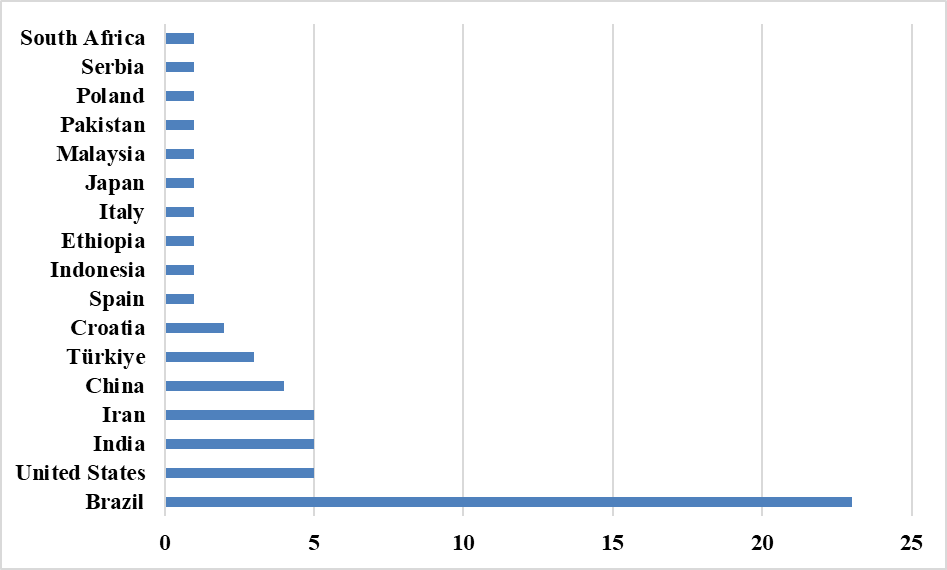
Based on the geographical distribution of research on forage plant intercropping systems for animal production, Brazil leads with the highest number of studies (n = 23). It is followed by the United States, China, and Iran, each contributing five studies (Figure 1).
Figure 1. Geographical distribution of research evaluating forage plant intercropping systems for animal feeding (Total of 57 articles).
Regarding the temporal distribution of the research, most studies were published in 2014, with 12 publications, followed by 2024 with eight publications. In the period from 2014 to 2018, 49.12% of the studies were published, while 50.88% were published between 2019 and 2024 (Figure 2).
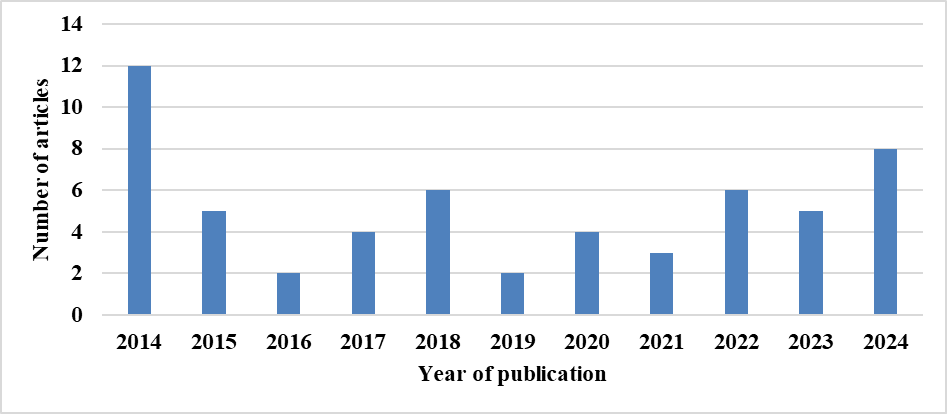
Figure 2. Temporal distribution of research evaluating forage plant intercropping systems for animal feeding.
Most studies reported results from intercropping systems combining legumes and grasses, which accounted for 61.77% of the publications. Intercropping between Poaceae - Poaceae represented 19.12%, while Cactaceae - Poaceae combinations comprised 4.41% of the studies (Figure 3).
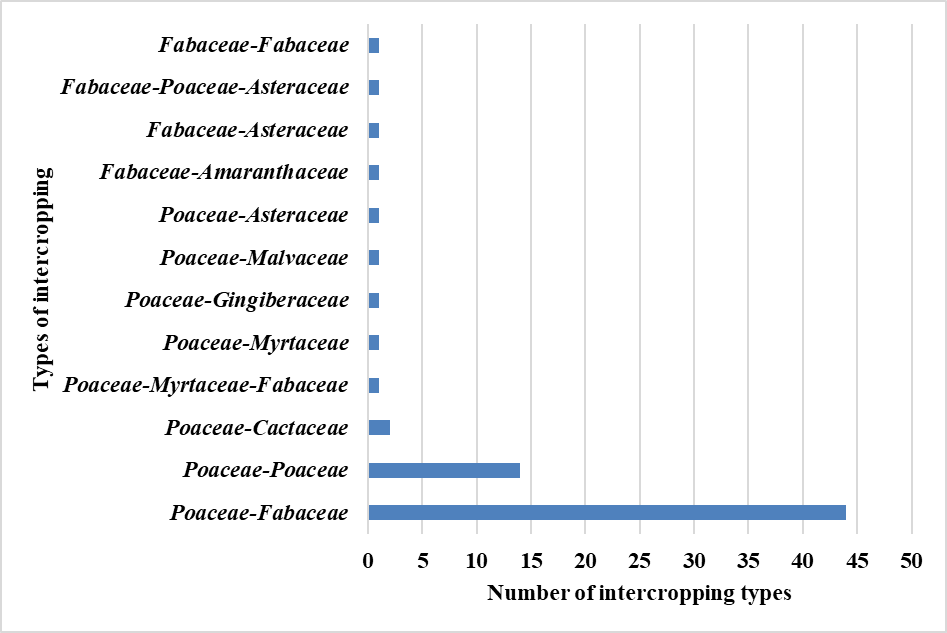
Figure 3. Botanical families adopted to compose the different types of forage plant intercropping used in animal feeding.
Forage biomass, forage species used and predominant climate
Research evaluating forage plant intercropping systems for animal feeding encompassed a wide range of regions, totaling 14 different climatic domains. Most studies were conducted in areas classified as Aw, characterized by a tropical climate with distinct rainy and dry seasons (Figure 4).
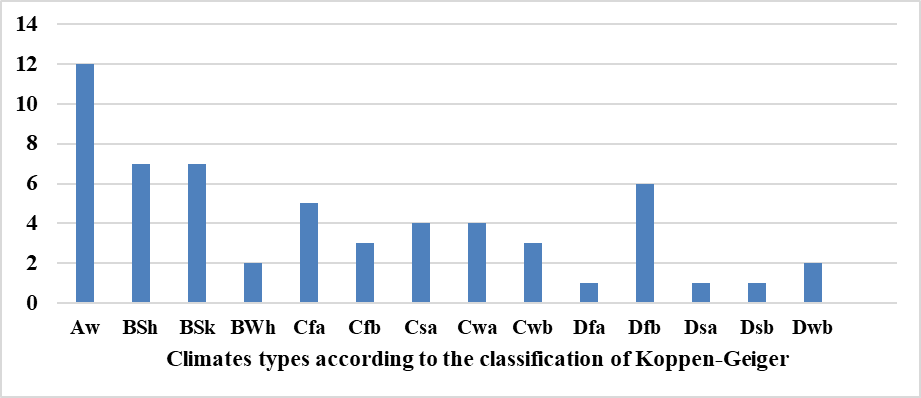
Figure 4. Climate types according to the Koppen-Geiger classification where the research evaluating forage plant intercropping systems for animal feeding were conducted.
The highest grain biomass yield was observed in the Cwa climate, averaging 6,737 kg ha⁻¹, followed by the Aw climate with 5,658 kg ha⁻¹. Intercropping systems involving corn or soybeans demonstrated the highest grain production (Table 1S). For forage biomass, the Af climate recorded the greatest yield, reaching 25,355 kg ha⁻¹ in intercropping systems involving corn or elephant grass. In the BSh climate, forage biomass was slightly lower at 21,598 kg ha⁻¹, whereas the BSk climate exhibited the lowest yield, with 13,931 kg ha⁻¹. Overall, intercropping systems involving corn, Cactaceae, and sorghum consistently produced the highest biomass, regardless of the prevailing regional climate.
Discussion
Geographic distribution, year of publication of the studies and botanical families used
To explain why Brazil leads in the number of studies on intercropping systems (Figure 1), it is essential to consider the country’s extensive diversity of forage species, many of which have been introduced or genetically improved. These species form the basis of the diet for Brazil’s 238.6 million cattle (IBGE, 2025), which are raised almost entirely on cultivated or natural pastures (Landau et al., 2020). The large volume of studies produced by Brazilian research institutions on sustainability is also influenced by international frameworks such as the United Nations’ Agenda 21, which encourages the development of sustainable societies with strong commitments to environmental responsibility (Agenda 21, 2025). This emphasis aligns with the urgent need for agricultural systems that are environmentally balanced and capable of producing low-carbon or carbon-neutral food. Brazil’s substantial potential for food production and its strategic role in fostering sustainable agricultural practices and ensuring global food security further reinforce its relevance in this context (Silva et al., 2018; Sodré Filho et al., 2021; Souza et al., 2023). Consequently, in the face of growing global sustainability challenges and rising demand for environmentally responsible farming systems, Brazil has emerged as a key contributor to the development of production models that reconcile productivity with environmental preservation, resulting in a significant increase in scientific publications on this topic (FAO, 2022). Other countries also adopt intercropping systems for animal production, such as Australia, Canada, and New Zealand. However, the participation of these countries was not observed (Figure 1), likely due to the restricted article search methodology used, which considered only the Scopus, Web of Science, and Taylor & Francis databases. The databases commonly used for agricultural science research in these countries include AGRICOLA (NAL Catalog), AGRIS (FAO), CABI (Centre for Agriculture and Bioscience International), PubMed, and Google Scholar (All Databases, 2025).
Regarding the temporal distribution of publications, 2024 showed a renewed emphasis on studies involving forage plant intercropping systems (Figure 2), with particular attention directed toward combinations of Poaceae and Fabaceae species (Figure 3). These studies addressed a range of topics, including biomass production (Javanmard et al., 2020), improvements in forage chemical composition (Abera et al., 2022; Arif et al., 2022), sustainability (Baghdadi et al., 2016; Bell et al., 2014; Carvalho et al., 2014), and reductions in fertilizer use (Santos et al., 2018; Santos et al., 2020). Additional benefits discussed in the literature include enhanced soil fertility, decreased dependence on agrochemicals, and reduced pest pressure (Lira et al., 2021; Pierre et al., 2022), as well as improvements in crop spatial arrangements (Freitas et al., 2021; Almeida et al., 2023). Commonly, these studies evaluate the strategic arrangement of Poaceae rows alongside Fabaceae species to assess their interactions and the mutual advantages arising from these intercropping configurations.
Forage biomass, forage species used, and predominant climate
The Cwa climate is classified as humid subtropical, while the Aw climate corresponds to a savannah type with annual rainfall ranging from more than 750 mm up to 1800 mm (Pereira et al., 2017). These climates are characterized by milder temperatures, consistent rainfall, and relatively uniform evapotranspiration during the rainy season. As a result, grain crops experience lower water stress, contributing to greater stability during their growth and development (Borghi et al., 2014). In these regions, intercropping systems involving corn and soybean are the most common (Ceccon and Concenço, 2014). The Af climate, also known as a humid or super-humid tropical climate, or equatorial rainforest climate, offers highly favorable conditions for forage biomass production. These include temperatures above 15°C, abundant solar radiation with approximately 12 hours of daylight throughout the year, minimal photoperiod variation, consistent rainfall, and fertile soils (Baghdadi et al., 2016). Under such conditions, intercropping systems typically include highly productive C4 grasses with high photosynthetic efficiency, such as Pennisetum purpureum (Ernawati et al., 2023) and Zea mays (Mthembu et al., 2018). These grasses are often combined with C3 legumes, such as Indigofera zollingeriana and Glycine max, which enhance soil fertility and contribute to the nutritional balance within the system (Baghdadi et al., 2016).
In semi-arid regions, where the predominant climate is classified as BSh, intercropping systems involving cacti and grasses have received increasing attention due to their resilience under drought conditions. Species of Opuntia and Nopalea, which utilize CAM metabolism, offer a substantial advantage by efficiently storing water and energy, resources that are essential during prolonged dry periods (Alves et al., 2022). When intercropped with Poaceae or Fabaceae, cacti contribute to highly productive systems, with forage yields reaching 21,598 kg ha⁻¹ of high-quality biomass (Table 1S). Studies further indicate that Cactaceae - Poaceae intercropping improves the efficiency of soil and water use, particularly in areas affected by soil degradation (Souza et al., 2023).
The intercropping of Cactaceae and Fabaceae species represents a promising strategy for regions with limited water availability, such as those characterized by a BSh climate. This system combines the drought tolerance of cacti with the nitrogen-fixing capacity of legumes, thereby enhancing soil fertility and overall resource-use efficiency (Souza et al., 2023). As a result, it supports a low-input production model and provides a valuable source of water, energy, and protein for animal feeding (Santos et al., 2018; Vieira et al., 2023).
The intercropping of forage plants is a valuable strategy in pasture-based systems, aiming to improve both the nutritional quality of animal feed and grain production. Grasses such as Urochloa brizantha (brachiaria grass) and Megathyrsus maximus (mombaça grass) are recognized for their high productivity and palatability and can be efficiently intercropped with corn (Zea mays) (Ceccon and Concenço, 2014). These Poaceae - Poaceae intercropping systems contribute to the development of more productive and resilient pastures capable of meeting diverse demands for forage and grain production (Pereira et al., 2014; Silva et al., 2014). A key advantage of such combinations is the substantial increase in vegetative ground cover, which plays a critical role in preventing soil erosion, enhancing soil fertility, improving nutrient availability, and maintaining soil moisture (Santos et al., 2020). Furthermore, Poaceae - Poaceae intercropping promotes system sustainability by reducing vulnerability to specific pests and diseases and ensuring more consistent pasture availability throughout the year (Moraine et al., 2014).
Fabaceae species such as alfalfa (Medicago sativa) stand out for their excellent chemical composition and high forage productivity. These attributes have made alfalfa a frequent subject of scientific investigations across a wide range of climates and geographic regions (Berti et al., 2021). In addition to alfalfa, other legume crops such as Crotalaria juncea (crotalaria) also play important roles in intercropping systems (Bybee-Finley et al., 2016; Silva et al., 2018).
A notable example of a successful Poaceae - Fabaceae intercropping system is the combination of star grass (Cynodon spp.) with peanut (Arachis pintoi), which contributes significantly to the development of more sustainable pasture systems (Lal et al., 2024). In this arrangement, the grass functions as the primary forage source for livestock, while the legume enhances soil quality by contributing organic matter and supplying nitrogen through biological fixation (Pereira et al., 2017). Owing to its prostrate growth habit, peanut often evades grazing pressure, enabling it to persist in the system and maintain its role in soil fertility improvement. This type of intercropping is particularly beneficial in rotational grazing systems, where the rapid regrowth capacity of Poaceae is essential to ensuring a consistent and reliable forage supply (Carvalho et al., 2014).
Materials and Methods
The systematic review followed the guidelines of the Preferred Reporting Items for Systematic Reviews and Meta-Analyses (PRISMA), as outlined by Page et al. (2021).
The literature review was conducted between September and October 2024 through electronic searches in the Scopus, Web of Science, and Taylor & Francis databases. Access to these platforms was provided via the CAPES Periodicals Portal, available through the university network of the Federal University of Piauí (UFPI), which ensures open access to these resources. The research question was formulated using the PICo methodology (Population, Interest, and Context). In this framework, terms related to forage plants represented the Population (P), intercropping systems represented the Interest (I), and intercropping systems for animal production represented the Context (Co). Boolean operators were used to build the search string as follows: Population - “forage plants”; Interest - “intercropping systems”; Context - “intercropping systems for animal production.”
All search results were screened, exported, and imported into the Mendeley reference management software. The extracted data from the selected studies were then compiled into a Microsoft Excel® spreadsheet for the preparation of figures and graphs.
Population: Studies that did not assess forage plants or that included forage plants but not within an intercropping system were excluded. Interest: Studies that did not evaluate forage plants cultivated in intercropping systems were excluded. Context: Studies that did not address intercropping systems involving forage plants for animal production were excluded. Study design: Systematic reviews (with or without meta-analysis), conference abstracts, books, and book chapters were also excluded.
The search identified 28 articles in Scopus, 406 in Web of Science, and 516 in Taylor & Francis, totaling 950 records (Figure 5). After removing 61 duplicates appearing in two or more databases, 889 articles remained for title and abstract screening. Applying the exclusion criteria, 57 peer-reviewed publications were selected for full analysis. These studies were classified by first author and publication reference, and the following variables were extracted: regional climate, intercropping type, intercropped species, location of the intercropping system, forage biomass, and grain biomass (when reported). Microsoft Excel® was used to compile the dataset and generate tables, graphs, and maps based on the extracted variables. All 57 selected articles were included in the reference list.
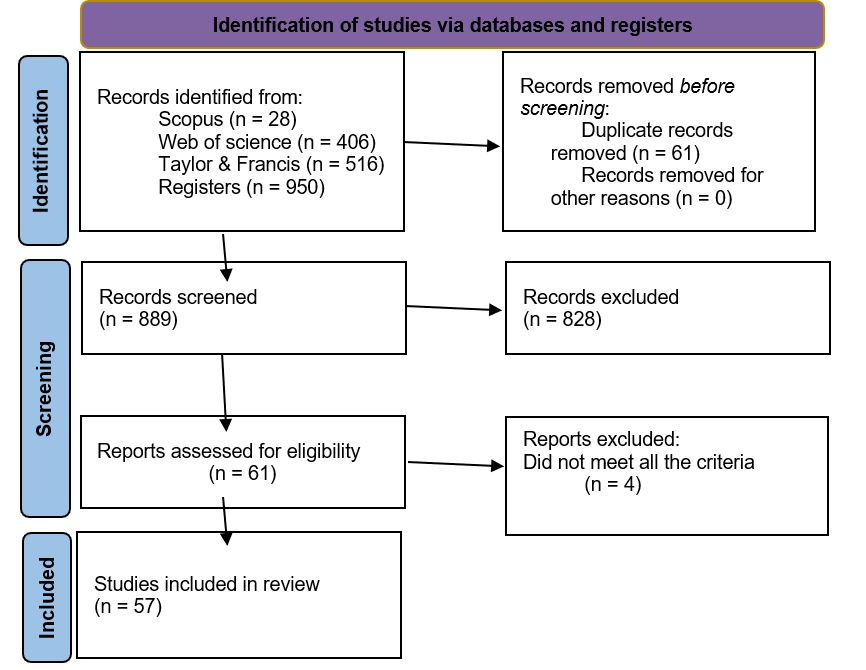
Figure 5. Identification, screening and inclusion of studies via databases and registers.
Conclusion
Forage biomass varies across the climatic conditions evaluated, with the most common intercropping systems involving grass - legume combinations, followed by grass - grass and grass - cactus systems. However, a substantial gap remains regarding studies that include other botanical families. Thus, further research is needed to explore and assess intercropping systems incorporating a broader diversity of forage plant families. Corn and soybean stand out as the most commonly used species for forage and grain production in intercropping systems across the different climates evaluated. The combination of different botanical families provides distinct advantages, including enhanced soil fertility and greater resilience to adverse environmental conditions, such as drought. These intercropping models enable more sustainable livestock production by reducing dependence on external inputs and increasing the year-round availability of forage or grain biomass. Consequently, such systems contribute directly to food security and to the long-term sustainability of agricultural activities in regions with challenging climatic conditions.
Author contributions: All authors contributed to the conceptualization, article selection and cataloging, production of tables and figures, formal analysis, drafting of the original manuscript, and the writing, proofreading, formatting, and editing of the final paper.
Funding: Not applicable.
Data availability: No datasets were generated or analyzed during the current study
Declarations Conflict of interest: The authors declare no competing interests.
Declaration of competing interest: The authors declare that they have no known competing financial interests or personal relationships that could have appeared to influence the work reported in this paper.
References
Abera M, Tolera A, Nurfeta A, Geleti D (2022) Herbage accumulation and nutritive value of mixtures of desho grass and Vicia spp. in Southern Ethiopia. Agron J 114:165 –172. https://doi.org/10.1002/agj2.20891
Agenda 21 (2025) https://antigo.mma.gov.br/responsabilidade-socioambiental/agenda-21/agenda-21-global.html. Accessed 24 January 2025.
Ahmad AA, Radovich TJK, Hue NV (2015) Effect of intercropping three legume species on growth and yield of sweet corn (Zea mays) in Hawaii. J Crop Improv. 29:370–378. https://doi.org/10.1080/15427528.2015.1041666
All Databases (2025) https://www.austlii.edu.au/databases.html. Accessed 14 October 2025.
Almeida MC, Leite MLMV, Souza ES, Tabosa JN, Oliveira DM, Anjos FLQ, Cardozo CHED, Farias IM, Lima LF, Costa ACL (2023) Produção de milheto e leguminosas em sistemas consorciados para regiões semiáridas. Res Soc Dev 12:e5712340407. https://doi.org/10.33448/rsd-v12i3.40407
Alves CP, Jardim AMRF, Araújo Júnior, GN, Souza LSB, Araújo GGL, Souza CAA, Salvador KRS, Leite RMC, Pinheiro AG, Silva TGF (2022) How to enhance the agronomic performance of cactus-sorghum intercropped system: planting configurations, density and orientation. Ind Crops Prod 184:115059. https://doi.org/10.1016/j.indcrop.2022.115059
Arif M, Kumar A, Pourouchottamane R, Gupta DL, Singh MK, Rai B (2022) Effect of intercropping row ratios on yield and nutritive value of maize and cowpea fodder. Range Manag Agrofor 43:292–298. https://publications.rmsi.in/index.php/rma/article/view/686
Baghdadi A, Ridzwan AH, Radziah O, Yusof MM, Atashgahi ARM (2016) Productivity, relative yield and plant growth of forage corn intercropped with soybean under different crop combination ratio. Legume Res 39:558–564. https://doi.org/10.18805/lr.v0iOF.10755
Bell LW, Moore AD, Kirkegaard JA (2014) Evolution in crop–livestock integration systems that improve farm productivity and environmental performance in Australia. Eur J Agron 57:10–20. https://doi.org/10.1016/j.eja.2013.04.007
Berti MT, Lukaschewsky J, Samarappuli DP (2021) Intercropping alfalfa into silage maize can be more profitable than maize silage followed by spring-seeded alfalfa. Agronomy 11:1196. https://doi.org/10.3390/agronomy11061196
Borghi E, Crusciol CAC, Trivelin PCO, Nascente AS, Costa C, Mateus GP (2014) Nitrogen fertilization (15NH4NO3) of palisadegrass and residual effect on subsequent no-tillage corn. Rev Bras Ciênc Solo 38:1457–1468. https://doi.org/10.1590/S0100-06832014000500011
Bybee‐Finley KA, Mirsky SB, Ryan MR (2016) Functional diversity in summer annual grass and legume intercrops in the northeastern United States. Crop Sci 56:2775–2790. https://doi.org/10.2135/cropsci2016.01.0046
Carvalho JLN, Raucci RS, Frazão LA, Cerri CEP, Bernoux M, Cerri CC (2014) Crop-pasture rotation: a strategy to reduce soil greenhouse gas emissions in the Brazilian Cerrado. Agric Ecosyst Environ 183:167–175. https://doi.org/10.1016/j.agee.2013.11.014
Ceccon G, Concenço G (2014) Mass yield and burndown of perennial forages for crop-livestock integration. Adv Weed Sci 32:319–326. https://doi.org/10.1590/S0100-83582014000200009
Ernawati A, Abdullah L, Permana IG, Carti PDMH (2023) Forage Production and Nutrient Content of Different Elephant Grass Varieties Cultivated with Indigofera zollingeriana in an Intercropping System. Trop J Anim Sci 46:321–329. https://doi.org/10.5398/tasj.2023.46.3.321
Food and Agriculture Organization (FAO). Fortalecimento da agricultura familiar e desenvolvimento sustentável - Cooperativismo, ater e pesquisa agropecuária, e ater digital pós-COVID-19 (2022) FAO, SEAB/PR, IAPAR EMATER, Brasília.
Freitas MAM, Silva DV, Pereira GAM, Souza WM, Nunes JJ, Silva AA (2021) Physiological characteristics of corn intercropped with different arrangements of palisade grass plants. Adv Weed Sci 39:e021230847. https://doi.org/10.51694/AdvWeedSci/2021;39:00002
Hassen A Talore DG, Tesfamariam EH, Friend MA, Mpanza TDE (2017) Potential use of forage-legume intercropping technologies to adapt to climate-change impacts on mixed crop-livestock systems in Africa: a review. Reg Environ Change 17:1713–1724. https://doi.org/10.1007/s10113-017-1131-7
IBGE Instituto Brasileiro de Geografia e Estatística (2025) Mapa - Bovinos (Bois e Vacas) - Tamanho do rebanho (Cabeças). https://www.ibge.gov.br/explica/producao-agropecuaria/bovinos/br Accessed 24 January 2025.
Javanmard A, Machiani MA, Lithourgidis A, Morshedloo MR, Ostadi A (2020) Intercropping of maize with legumes: A cleaner strategy for improving the quantity and quality of forage. Clean Eng Technol 1:100003. https://doi.org/10.1016/j.clet.2020.100003
Köppen W, Geiger R (1928) Klimate der Erde. Verlag Justus Perthes, Gotha, Wall-Map 150 cm × 200 cm.
Landau EC, Silva GA, Moura L, Hirsch A, Guimaraes DP (2020) Dinâmica da produção agropecuária e da paisagem natural no Brasil nas últimas décadas: sistemas agrícolas, paisagem natural e análise integrada do espaço rural. Embrapa, Brasília.
Lal B, Sarkar S, Kumawat PK, Gautam P, Meena RL, Sharma SC, Sahoo A (2024) Enhancement in fodder productivity and quality of feather Pennisetum grass by intercropping with groundnut. J Plant Nutr 47: 2339–2359. https://doi.org/10.1080/01904167.2024.2342372
Ligoski B, Gonçalves LF, Claudio FL, Alves EM, Krüger AM, Bizzuti BE, Lima PdMT, Abdalla AL, Paim TdP (2020) Silage of intercropping corn, palisade grass, and pigeon pea increases protein content and reduces in vitro methane production. Agronomy 10:1784. https://doi.org/10.3390/agronomy10111784
Lira EC, Araújo JS, Felix ES, Nascimento GV, Oliveira Filho TJ, Souza JTA, Pereira DD (2021) Produtividade de culturas anuais em sistema de consórcio com a palma forrageira resistente à cochonilha-do-carmim (Dactylopius opuntiae Cockerell). Holos 2:1–12. https://doi.org/10.15628/holos.2021.11212
Martins PCD, Ferreira DMSG, Pereira SL (2023) Performance of corn interceded with panicum maximum myagui in ILP system. Cont J 3:22652–22674. doi: 10.56083/RCV3N11-134
Moraes A, Carvalho PCF, Lustosa SBC, Lang CR, Deiss L (2014) Research on integrated crop–livestock systems in Brazil. Rer Ciênc Agron 45:1024–1031. https://doi.org/10.1590/S1806-66902014000500018
Moraine M, Duru M, Nicholas P, Leterme P, Therond O (2014) Farming system design for innovative crop-livestock integration in Europe. Animal 8:1204–1217. https://doi.org/10.1017/S1751731114001189
Mthembu BE, Everson TM, Everson CS (2018) Intercropping maize (Zea mays L.) with lablab (Lablab purpureus L.) for sustainable fodder production and quality in smallholder rural farming systems in South Africa. Agroecol Sustain Food Syst 42:362–382. https://doi.org/10.1080/21683565.2017.1393649
Page MJ, McKenzie JE, Bossuyt PM, Boutron I, Hoffmann TC, Mulrow CD, Shamseer L, Tetzlaff JM, Akl EA, Brennan SE, Chou R, Glanville J, Grimshaw JM, Hróbjartsson A, Lalu MM, Li T, Loder EW, Mayo-Wilson E, McDonald S, McGuinness LA, Stewart LA, Thomas J, Tricco AC, Welch VA, Whiting P, Moher D (2021) The PRISMA 2020 statement: an updated guideline for reporting systematic reviews. BMJ 372:1–9. https://doi.org/10.1136/bmj.n71
Pereira JC, Gomes FK, Oliveira MD, Lara MA, Bernardes TF, Casagrande DR (2017) Defoliation management affects morphogenetic and structural characteristics of mixed pastures of brachiaria grass and forage peanut. Afr J Range For Sci 34:13–19. https://doi.org/10.2989/10220119.2017.1315960
Pereira FCBL, Mendonça VZ, Leal ST, Rossetto JE (2014) Avaliação econômica e do desempenho técnico do milho consorciado com duas espécies forrageiras dos gêneros panicum e brachiaria em sistema de integração lavoura-pecuária. Agrarian 7:157–165. https://ojs.ufgd.edu.br/agrarian/article/view/1818
Pierre JF, Latournerie-Moreno L, Garruña R, Jacobsen KL, Laboski CAM, Us-Santamaría R, Ruiz-Sánchez E (2022) Effect of Maize–Legume Intercropping on Maize Physio-Agronomic Parameters and Beneficial Insect Abundance. Sustainability, 14:12385. https://doi.org/10.3390/su141912385
Santos AF, Perez-Marin AM, Sarmento MIA (2018) Produtividade de palma forrageira em aleias com Gliricídia sepium sob adubação orgânica em diferentes espaçamentos no Semiárido. Revista verde 13:276–281. http://dx.doi.org/10.18378/rvads.v13i3.5740
Santos MV, Fonseca DM, Silva LD, Souza WF, Oliveira TS, Ferreira LR, Oliveira Neto SN, Paciullo DSC (2020) Integrated crop–forage–forestry for sustainable agricultural systems: productive performance. Agroforest Syst 94:417–427. https://doi.org/10.1007/s10457-019-00404-5
Sekhon FS, Singh T, Singh S (2018) Growth, phenology and yield of pigeon pea (Cajanus cajan) as a_ected by intercropping systems and application of nutrients level to intercrops. Indian J Agric Sci 88:509–514. https://doi.org/10.56093/ijas.v88i3.78758
Silva A, Santos FLS, Barreto VCM, Freitas RJ, Kluthcouski J (2018) Recuperação de pastagem degradada pelo consórcio de milho, Urochloa brizantha cv. Marandu e guandu. Rev Agric Neotrop 5:39–47. https://doi.org/10.32404/rean.v5i2.1382
Silva AG, Teixeira IR, Horvathy Neto A, Teixeira IR, Simon GA (2014) Sorghum and brachiaria intercropping in off-season cultivation for grain and forage production. Rer Ceres 61:697–705. https://doi.org/10.1590/0034-737X201461050013
Sodré Filho J, Marchão RL, Carmona R, Carvalho AM (2021) Intercropping sorghum and grasses during off-season in Brazilian Cerrado. Sci agric 79:e20200284. https://doi.org/10.1590/1678-992X-2020-0284
Souza MS, Araújo Júnior GN, Souza LSB, Jardim AMRF, Silva GIN, Araújo GGL, Campos FS, Leite MLMV, Tabosa JN, Silva TGF (2023) Forage yield, competition and economic benefit of intercropping cactus and millet with mulch in a semi-arid environment. Afr J Range For Sci 40:219–230. https://doi.org/10.2989/10220119.2021.2016967
Vieira VA, Emerenciano Neto JV, Gurgel ALC, Santos RS, Rocha DR, Lista FN, Difante GS, Ítavo LCV, Longhini VZ, Chagas FTP, Urbano SA (2023) The productive potential of intercropping Buffel-grass with Moringa: sustainable forage production in a semi-arid region. New Zeal J Agr Res 68:259–272. https://doi.org/10.1080/00288233.2023.2219458