Australian Journal of Crop Science
Article | https://doi.org/10.21475/ajcs.26.20.07.pne211
Submitted: 09 December 2025 | Revised: 24 April 2026 | Accepted: 27 May 2026
Pages 574-586
The role of Kosakonia radicincitans and Methylobacterium radiotolerans with rhizobia in enhancing nitrogen fixation, growth and yield of faba bean (Vicia faba L.)
Amal A. Ali*1, Heba O.M. Orf 1, Amjad H. S. Alsahafi 2, Nada M. Dolieb2, Nashwa Hagagy2,3
Department of Agricultural microbiology, Soil, Water and Environment Research Institute, Agricultural Research Center, Giza, Egypt
Department of Biology, college of science and Arts, Khulais, University of Jeddah, Kingdom Saudi Arabia
Department of Botany and Microbiology, Faculty of Science, Suez Canal University, Ismailia, Egypt
*Corresponding author: amalahmedrsmm@yahoo.com
Abstract: Plant Growth Promoting Rhizobacteria (PGPR) - rhizobia multi-strain biofertilizer has received a lot of attention lately as a way to improve agricultural crop productivity and growth. The study was aimed to assess the capacity of Methylobacterium radiotolerans and Kosakonia radicincitans bacterial strains to fix nitrogen in nitrogen-free media and produce growth hormones including cytokinins, gibberellins and auxins using HPLC (in vitro) and determine the effect of their inoculation on faba bean plants by measuring CO2 evolution in soil, chlorophyll content, nodulation status, shoot and root dry weight in addition to N,P,K contents at 60 days after planting and plant yield at harvest. Results of in vitro tests showed that both M. radiotolerans and K. radicincitans could grow on Jensen’s medium, could produce indole-3-acetic acid at concentration (1.76 and 2.22 mg/100 ml), gibberellins (13.88 and 4.22 mg/100 ml), respectively. Concerning cytokinins, M. radiotolerans was higher in Kineitin (0.148 μg/100 ml) and Benzyl adinin (1.05 μg/100 ml), while K. radicincitans was higher in Zeatin (0.032 μg/100 ml). In a field trial, Tripartite co-inoculation of rhizobium and two PGPR showed the best results for number and dry weight of nodules, dry weight of root and shoot, chlorophyll, relative leaf water content (RWC%), CO2 evolution, N.P.K. percentage, seed yield, and 100-seed weight of faba bean plants as compared to the control plants. Future studies should concentrate on field-scale validation and bacterial consortia development to maximize agricultural benefits.
Keywords: Biofertilizer, Faba bean, Growth hormones, Nitrogen fixation, PGPR, Rhizobium leguminosarum.
Introduction
The goal of the new green revolution is to maintain increased crop yields by substituting chemical fertilizers with microbial inoculants (Besset Manzoni et al., 2018). Rhizobia are natural inoculants that enable crops to utilize nitrogen through biological nitrogen fixation (BNF), serving as an alternative to artificial fertilizers. Schulte et al., (2021) proved that BNF supplies 50 to 70 million tons of bioavailable nitrogen annually, making the use of efficient rhizobial strains as biofertilizers crucial for sustainable agriculture and legume production (Babu et al., 2015). However, environmental factors such as high temperature, salinity, low clay content, and pH conditions detrimental to rhizobia survival in soil pose a significant threat to legume production (Denton et al., 2013).
According to Qureshi et al., (2009), free-living N2-fixers increase the efficiency of rhizobia by changing the root construction, which creates heightened nodulation sites and improves legumes' capacity to fix nitrogen. PGPR is very important soil bacteria for increasing the availability of nutrients in plant rhizosphere. They have a high capacity to fix nitrogen (N), they directly promote plant growth by altering effect the level of phytohormones (cytokinins, gibberellic acid and indole acetic acid). It has been reported that PGPRs enhance numerous legume-rhizobia symbioses (Vessey, 2003). Barbosa et al., (2021) proved that, PGPR and rhizobia co-inoculation promotes the growth of the legume's roots, providing additional nodulation sites for rhizobia, resulting in a synergistic increase in BNF. Mowafy et al., (2022) proved in a pot experiment that, co-inoculation of faba beans with one Rhizobium strain (Rlv) and two PGPR strains significantly increases in number of nodules, shoot N- content, and plant growth. Recent studies have highlighted how co-inoculation strategies can significantly enhance legume productivity. While rhizobia primarily provide fixed nitrogen, Kosakonia and other PGPB contribute additional growth-promoting activities for example; improved nutrient availability, production of phytohormones, and yield. This confirmed by Preyanga et al., (2021) who stated that, Maximum nodule number, length and dry weight of root and shoot were recorded when Rhizobium sp. and Kosakonia sp. were co-inoculated. Moreover, Torres Vera et al., (2024) proved that strains of M. oryzae, M. radiotolerans, and M. nodulans have a great deal of promise in enhancing the development and yields of crops like groundnuts, tomatoes, strawberries, and maize. Eevers et al. (2015) confirmed that, Methylobacterium isolates promote plant growth by fixing nitrogen and producing phytohormones such as auxins and gibberellins. Backer et al. (2018) and Santoyo et al., (2021) confirmed that the use of PGPR mixtures whose functions are known and that could act synergistically is of interest as they offer multiple approaches of action. For example, it has been cleared that, the IAA production by different PGPR promotes root proliferation (Khalid et al., 2004). Also, Khalil, et al (2022) confirmed that Endophytic bacteria Methylobacterium radiotolerans, are a promising source of bioactive compounds for developing antimicrobial and Plant Growth-Promoting agents. Furthermore, it has recently been shown that IAA may potentially function as a signaling molecule in bacteria, which means it may directly impact bacterial physiology. Similarly, gibberellins produced by PGPB have the ability to promote leaf and fruit senescence, change the dormancy of seeds that germinate, and stimulate plant stem development (Lee et al., 2015). In the same way, cytokinins generated by PGPB perform a crucial function in the development of interactions between plants (Uniyal et al., 2022).
Faba bean (Vicia faba L.) serves as a critical source of plant-based protein worldwide. There is a known relationship between the amount of nitrogen fixed and yield in faba beans, despite the fact that many factors influence production (Maluk et al., 2022). Therefore, enhancing BNF is a feasible strategy to increase and stabilize this crop's yields (Del Papa et al., 2024).
The investigation aimed to evaluate the efficiency of two bacterial strains in fixing nitrogen in a nitrogen-free medium and in the production of growth hormones, including auxins, gibberellins, and cytokinins, utilizing High-Performance Liquid Chromatography (HPLC) and to explore the effect of single and coinoculation of Rhizobium leguminosarum bv. viciae (El khatatba) with Methylobacterium radiotolerans and Kosakonia radicincitans on faba bean yield and overall plant performance under field conditions.
Results and Discussion
Biological nitrogen fixation (BNF)
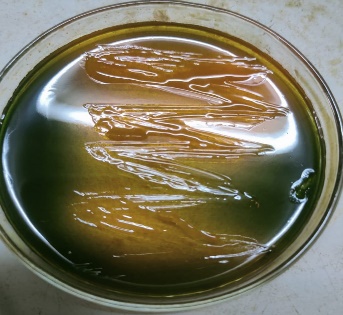
The most effective method of lowering the amount of chemical nitrogen fertilizer applied to crops is nitrogen fixation. The in vitro test on Jensen’s nitrogen free media showed that both the two bacterial strains of M. radiotolerans and K. radicincitans could grow on Jensen’s medium and was acid producer as in Figure (1). These findings concur with Zhang et al. (2021) who revealed that M. radiotolerans and Methylobacterium sp. 4-46 and L2-4 are closely related in nitrogen fixation and Brock et al., 2013 who confirmed the capacity of K. radicincitans to synthesize hormones and physiologically fix atmospheric nitrogen. Furthermore, Gao et al. (2022) proposed that K. radicincitans was either an endophytic or associative nitrogen-fixing bacterium. Additionally, Becker et al. (2018) demonstrated that K. radicincitans interacts with tomato plants by first attaching to root hairs, penetrating through cracks near newly forming lateral roots, and then colonizing individual root parenchyma cells. According to Carvalho et al. (2014), such a life cycle, influenced by plant and environmental cues, aligns well with the characteristics of endophytic or associative nitrogen-fixing bacteria.
Fig 1. Growth of K. radicincitans on Jensen’s N-free medium.
Phytohormones production
IAA is one of the key phytohormones that promotes plant growth while alleviating various biotic and abiotic stress conditions (Mutluru and Konada, 2007). Both K. radicincitans and M. radiotolerans strains were exposed to HPLC in this investigation in order to precisely measure the quantity of IAA generated. The results shown in Figure 2 showed that IAA extracted from both bacterial strains exhibited a similar peak to the standard IAA in HPLC analysis. The retention times of extracted auxin (IAA) from K. radicincitans and M. radiotolerans were 3.102 and 3.323 minutes, respectively, aligning with the retention time of authentic IAA at 3.078 minutes and K. radicincitans recorded higher indole-3-acetic acid concentration (2.22 mg/100 ml) compared to M. radiotolerans that recorded (1.76 mg/100 ml) as shown in Table 2. The IAA production
Table 1. Some physical and chemical properties of the used soil.
| Physical properties | Value | Chemical properties | Value |
|---|---|---|---|
| Sand % | 31.70 | pH | 7.87 |
| Silt % | 30.85 | E.C (ds m1 25o C) | 1.32 |
| Clay % | 37.45 | Saturation percent (S.P) % | 47% |
| Texture | Clay loam | Organic matter % | 1.74 |
| Total nitrogen % | 0.074 |
Table 2. Assessment of PGPR activities in vitro.
| IAA | GA3 | |||||
|---|---|---|---|---|---|---|
| R.T (min) | Area (μV*sec) |
Conc. (mg/100 ml) |
R.T (min) | Area (μV*sec) |
Conc. (mg/100 ml) |
|
| M. radiotolerans | 3.323 | 478400 | 1.76b | 2.702 | 939763 | 13.88a |
| K.radicincitans | 3.102 | 602039 | 2.22a | 2.578 | 285673 | 4.22b |
Means in the same column followed by the same letters are not significantly different (P=0.05), according to Duncan’s test.
Table 3. Cytokines production by PGPR bacterial strains.
| Strains | Cytokines | ||||||||
|---|---|---|---|---|---|---|---|---|---|
| Zeatin | Kineitin | Benzyl adenin | |||||||
| R.T (min) | Area (μV*sec) |
Conc. (μg/100 ml) |
R.T (min) |
Area (μV*sec) |
Conc. (μg/100 ml) |
R.T (min) |
Area (μV*sec) |
Conc. (μg/100 ml) |
|
| M. radiotolerans | 2.229 | 210908 | 0.016b | 2.682 | 574454 | 0.148a | 3.334 | 1223218 | 1.05a |
| K.radicincitans | 2.685 | 432225 | 0.032a | 2.900 | 330750 | 0.085b | 3.300 | 448277 | 0.385b |
Means in the same column followed by the same letters are not significantly different (P=0.05), according to Duncan’s test.
ability of tested bacterial strains under study were consistent with findings of Singh et al. (2020) which verified that, K. radicincitans produced a significant IAA that could be used to regulate plant growth and Ali and El-Kholy. (2022) who proved that the strain of K. radicincitans was able to produce indole acetic acid (40.44 µg/ml) in the cultural filtrate. Moreover, Grossi et al. (2020) indicated that some species of Methylobacterium, such as M. radiotolerans ED5-9 produce IAA, which has been shown to promote seed germination, boost plant development, and increase root length.
Concerning the production of the gibberellins hormone, A qualitative analysis of GA in the culture fluid of the two bacterial strain was performed by (HPLC) method. M. radiotolerans recorded higher results (13.88 mg/100 ml) at retention time 2.702 min as compared to K. radicincitans that recorded (4.22 mg/100 ml) at retention time 2.578 min as cleared in Figure 3 and Table 2.
The ability of gibberellins hormone production of tested bacterial strains under study were in line with the findings of Turaeva et al., (2020) who confirmed that microorganisms synthesize growth-activating gibberellic acid, which enhances the development of the plant’s root system.
Concerning the production of cytokines, there was differences in the amount of cytokines production for both bacterial strains under study where M. radiotolerans was higher in Kinetin (0.148 μg/100 ml) and Benzyl adinin (1.05 μg/100 ml), while K.radicincitans was higher in Zeatin (0.032 μg/100 ml) Figure (4) and Table (3). The findings align with those of Lee et al. (2006), who confirmed that, Methylobacterium produce phytohormones like auxins and cytokinins that are known to promote seed germination. Moreover, Al-Tammar and Khalifa (2022) showed that number of bacteria can synthesize cytokinins. Among these are Pseudomonas putida, Bradyrhizobium japonicum, Pseudomonas fluorescens, and Methylobacterium. zeatin riboside, and isopentenyladenine are CKs that can be produced by specific types of bacteria (Forni et al., 2017).
Plant growth parameters
In the present study, rhizobia and selected two bacterial strains had a growth-promoting effect on faba bean plants at 60 days of planting. Tripartite co-inoculation gave the highest results and significantly increased nodule dry weight and number up to (0.540 gm/ plant and 99) respectively compared to control (Figure 5). Moreover, the maximum value of shoot and root dry weight was achieved in case of the tripartite co-inoculation at increases of 33.7 and 62.8%, respectively, over the control (Table 4). This could be because the strain secretes plant growth hormones and "fixes atmospheric nitrogen naturally". According to Kishore et al. (2005), Rhizobium inoculation in conjunction with free-living rhizospheric bacteria has demonstrated excellent outcomes in terms of boosting crop growth and productivity. As determined by root and shoot dry weight, the potential for enhancing plant growth was in line with Quintas Nunes et al. 2022, who showed that Kosakonia spp. might interact and have positive impacts on plant growth. Ladwal et al. (2012) confirmed that, Rhizobia and specific rhizobacteria enhance plant growth and nodulation. As demonstrated by Garcia de Salamone (2000), The hormonal balance
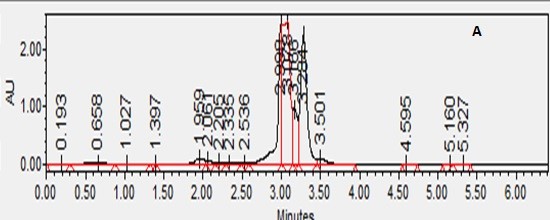
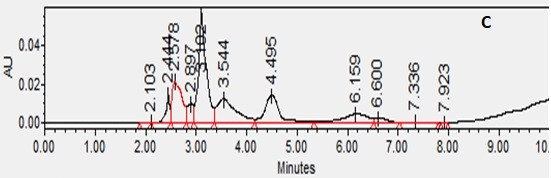
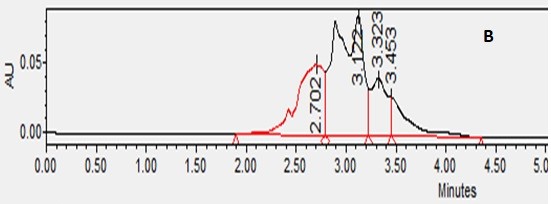
Fig. 2. UV–HPLC profiles of Indol acitic acid production (a) Authentic indolic compound standards, Retention time: IAA 3.078 min. (b) Indolic compounds produced by Methylobacterium radiotolerans at retention time 3.323 min. (c) Indolic compounds produced by Kosakonia radicincitans at retention time 3.102 min.
Table 4. Effect of inoculation with plant growth promoting bacteria on growth of faba bean plants.
| Treatments | Nodule no. plant-1 | Nodule dry wt. g/plant |
Shoot dry wt. g/plant |
Root dry wt. g/plant |
|---|---|---|---|---|
| Control (recommended dose of NPK | 6e | 0.070d | 7.7b | 1.25c |
| Rhizobium legumisarium | 10d | 0.101d | 7.0d | 0.862d |
| Rhizobia + Methylobacterium radiotolerans . | 13c | 0.208c | 7.40c | 1.854b |
| Rhizobia +Kosakonia radicincitans | 19b | 0.400b | 7.82b | 2.008a |
| Rhizobia + + M. radiotolerans + K. radicincitans | 99a | 0.540a | 10.3a | 2.035a |
Means in the same column followed by the same letters are not significantly different (P=0.05), according to Duncan’s test.
in IAA and cytokinin secretion may be the cause of the growth on the lateral roots. As stated by Bielach et al. (2017), cytokines play a crucial part in mitosis, vascular cell differentiation, and root hair development.
Total chlorophyll content
Chlorophyll content of faba bean plants using rhizobial inoculants and two PGPR strains are presented in Figure (6), the results appeared significant increases in chlorophyll content where the higher content of chlorophyll was obtained in case of Tripartite coinoculation of rhizobium combined with M. radiotolerans and K. radicincitans followed by the dual inoculation of rhizobium with, M. radiotolerans or K. radicincitans. The minimum content of Chlorophyll was recorded in single inoculation with rhizobium plants. The results of the current study’s findings align with those of Singh et al (2020), who discovered that increased rhizobium levels in cluster beans led to a considerable increase in the total chlorophyll content per plant at harvest.
Relative water content (RWC)
The capacity of a plant to sustain water status is shown by its relative leaf water content (Hasanuzzaman, 2020). In this study, the maximum relative water content (RWC) of 82.32%, was observed using the tripartite coinoculation of rhizobia and the two PGPR strains followed by dual inoculation of rhizobia with K. radicincitans (80.91%) and M. radiotolerans (67.01%) while the lowest content of 61.84% was recorded using the rhizobia alone compared to the control (Figure 7). According to Ali et al. (2017), rhizobia inoculation may be the cause of the improvement in the relative water content.
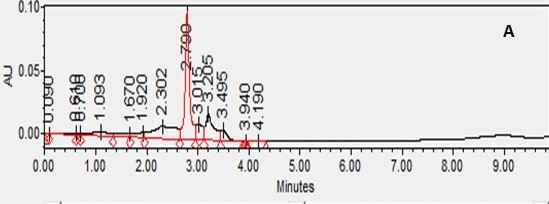
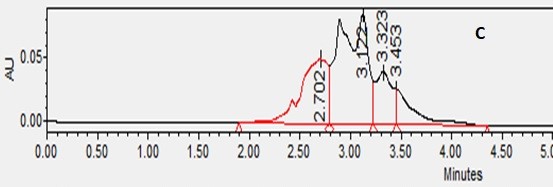
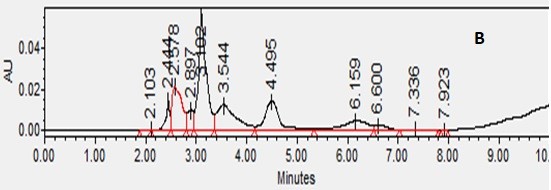
Fig. 3. UV–HPLC profiles of Gibberellic acid production (a) Authentic gibberellic acid compound standards. Retention times: GA 2.790 min compound standards. (b) Gibberellic acid compound produced by Methylobacterium radiotolerans at retention time2.702 min. (C) Gibberellic acid compound produced by Kosakonia radicincitans at retention time 2.578 min.
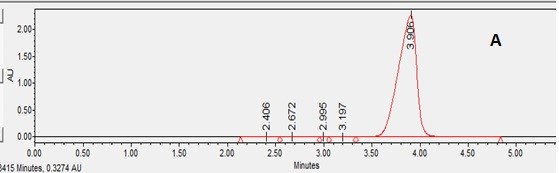
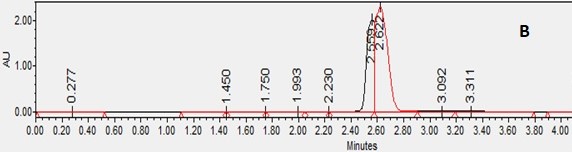
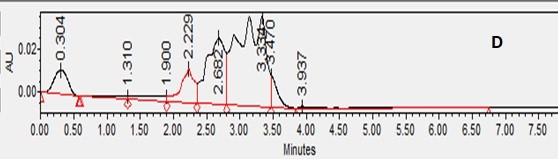
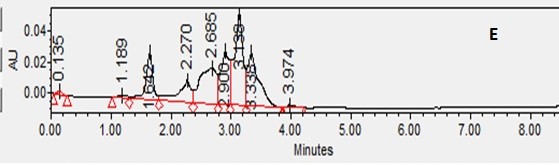
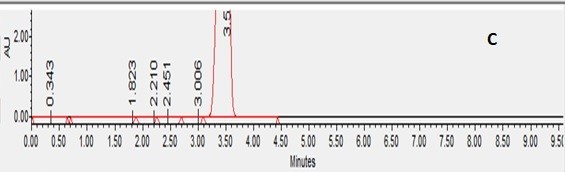
Fig. 4. UV–HPLC profiles of cytokinins production.(a) Authentic Zeatin compound standards Retention time 2.622 min.(b) Authentic Kineitin compound standards Retention time 3.900 min. (c) Authentic Benzyl adinin (BA) compound standards Retention time 3.530 min. (d) Cytokinins compound produced by M. radiotolerans at retention time (Z) 2.229 min,(K) 2.682min and (BA) 3.334min. (e) Cytokinins compound produced by K.radicincitans at retention time (Z) 2.685min,(K) 2.900 min and (BA) 3.300min.
Oleńska et al., (2020) confirmed that the increase of RWC by biofertilizers can be attributed to raising the concentration of plant hormones like indole acetate (IAA), gibberellic acid (GA) and ethylene.
Soil respiration (CO2 evolution)
According to the findings in Figure 8, the impacts of two PGPR strains and rhizobial strains showed higher rate of CO2 production (44.8 μg CO2 g-1 h-1), followed by dual inoculation of rhizobium with K. radicincitans and M. radiotolerans respectively (40.7 and 36.5μg CO2 g-1 h-1). These findings are consistent with those of Abo El-Eyoun (2005) in maize and El-Zeky et al. (2005) in rice, which demonstrated that biofertilization increased the soil's microorganism community by increasing microbial activity and organic matter, which consequently raised dehydrogenase, nitrogenase, and evolution of CO2. This, in turn, increased soil fertility and plant growth efficiency.
Macroelements (N.P.K.) concentration
60 days after planting, the data in Table 5 showed that the concentration of macroelements (N.P.K.) in faba bean plants was increased. The maximum NPK concentration was observed using the tripartite coinoculation of rhizobia and the two PGPR strains followed by dual inoculation of rhizobia with K. radicincitans or M. radiotolerans respectively while the lowest results were recorded using the rhizobia alone as Compared to the control. Our findings are consistent with the study by Heggo
Table 5. Macro elements concentration as affected by treatments.
| Treatments | N (%) | P (%) | K (%) |
|---|---|---|---|
| Control (recommended dose of NPK) | 2.6 | 0.5 | 3.56 |
| Rhizobium legumisarium | 3.2 | 0.5 | 3.4 |
| Rhizobia + Methylobacterium radiotolerans . | 3.5 | 0.56 | 3.7 |
| Rhizobia +Kosakonia radicincitans | 3.6 | 0.56 | 4.1 |
| Rhizobia + + M. radiotolerans + K. radicincitans | 3,7 | 0.6 | 5.2 |
Means in the same column followed by the same letters are not significantly different (P=0.05), according to Duncan’s test.
Table 6. Effect of rhizobium and two PGPR strains on yield of faba bean plant.
| Treatments | no. of branches/ plant | No. of pods / plant | 100- seed wt.(g) | Seed yield (ton/ fed) |
|---|---|---|---|---|
| Control (recommended dose of NPK) | 4b | 17.7d | 75.9 | 1.165d |
| Rhizobium legumisarium | 2.4d | 12.1e | 64.7 | 0.720e |
| Rhizobia + Methylobacterium radiotolerans . | 3.7c | 19.3c | 74.5 | 1.271c |
| Rhizobia +Kosakonia radicincitans | 4.1b | 20.7b | 78.5 | 1.357b |
| Rhizobia + + M. radiotolerans + K. radicincitans | 4.3a | 22.6a | 79 | 1.469a |
Means in the same column followed by the same letters are not significantly different (P=0.05), according to Duncan’s test.


Fig. 5. Nodulation status using the tripartite co-inoculation of rhizobium and PGPR strains.
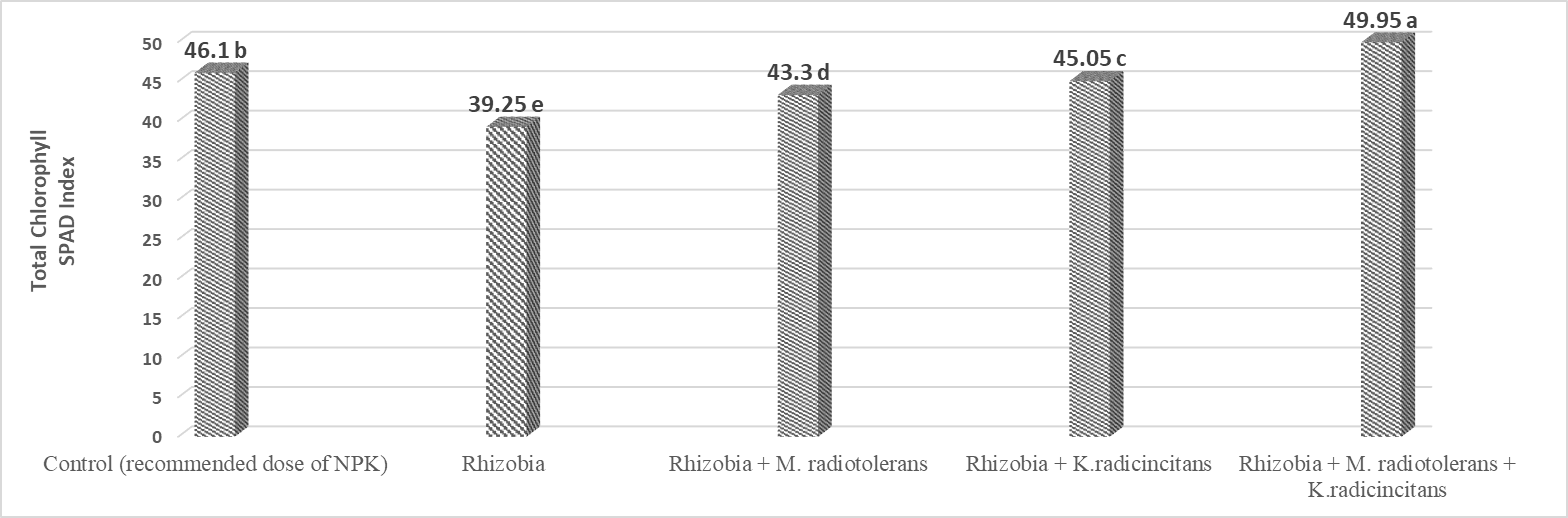
Fig. 6. Total chlorophyll content in faba bean plants as affected by treatments. Means in the same column followed by the same letters are not significantly different (P=0.05), according to Duncan’s test.
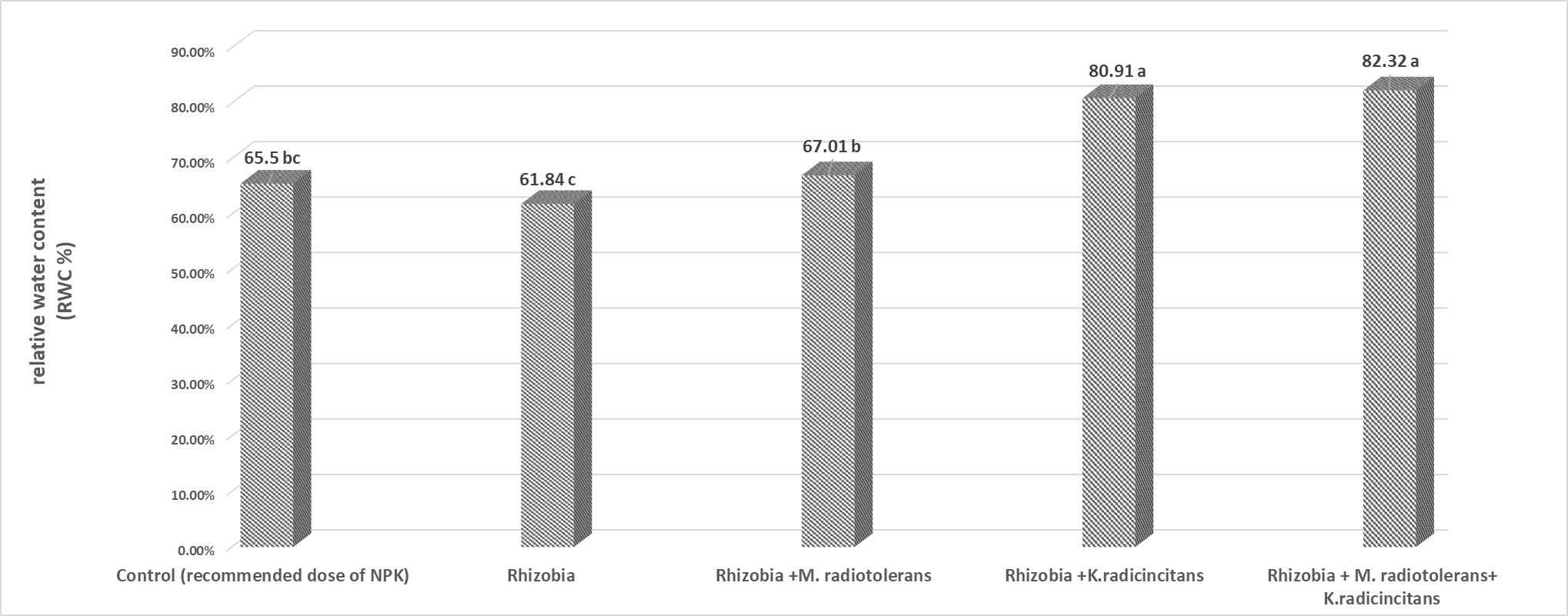
Fig. 7. Relative Water Content as affected by rhizobial inoculants and PGPR strains. Means in the same column followed by the same letters are not significantly different (P=0.05), according to Duncan’s test.
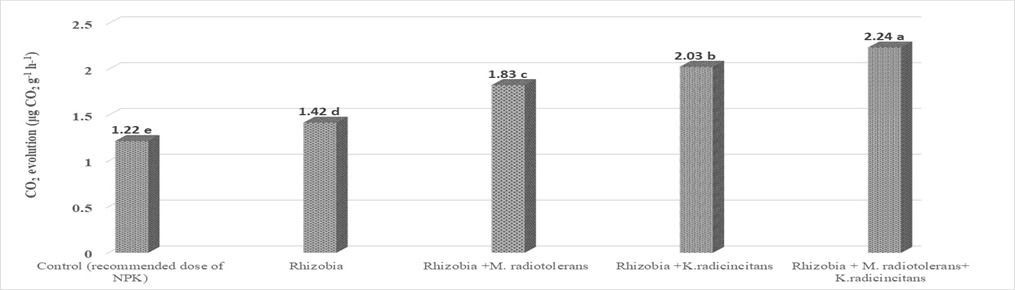
Fig. 8. The impact of introducing rhizobial strain, M. radiotolerans and K. radicincitans on CO2 evolution. (Means in the same column followed by the same letters are not significantly different (P=0.05), according to Duncan’s test).
and Barakah (2004), which found that, the density of Rhizobium in the soil affected the improvement of mineral uptake. Moreover, Zarrin et al. (2008) proposed that the quantity and effectiveness of symbiotic N2 fixation in root nodules are directly connected to legume production and N accumulation. Radha et al. (2009) reported that treated soybean seeds with Bradyrhizobium and PPFM increased nitrogen and potassium uptake in the vegetative plant parts, nodulation, and yields compared to control.
Yield of faba bean crop
Data on branch and pod numbers, 100-seed weight, and seed yield demonstrated significant differences due to various treatments, as shown in Table 6. The highest values were achieved with tripartite co-inoculation of rhizobia and two PGPR strains, followed by dual inoculation of rhizobia with K. radicincitans or M. radiotolerans, compared to the control. Prando et al. (2024) reported that co-inoculation of Bradyrhizobium with PGPR Azospirillum brasilense improves crop tolerance to water stress and enhances biological nitrogen fixation and grain yield. Additionally, Berger et al. (2017) showed that various Kosakonia strains could promote plant growth and increase yield by fixing atmospheric nitrogen through nitrogenase present in the bacteria (Bergottini et al., 2015).
Materials and Methods
Strains of bacteria
A faba bean-specific strain of Rhizobium leguminosarum bv. viciae (El khatatba) was kindly provided by the Biofertilizers Production Unit, Agric., Microbiology Dept., Soil, Water and Environment Research Institute (SWERI), Agriculture Research Center (ARC), Giza, Egypt. The endophytic strain Kosakonia radicincitans, accession number OM980222.1, was isolated from the root nodules of faba bean (Vicia faba) plants in clay soil affected by salt in Egypt (Ali and El-Kholy, 2022). Methylobacterium radiotolerans strain H-A01 accession number (OR185547.1) was previously isolated from Jatropha curcas leaves (Orf and Noor El-Deen, 2023).
Seeds used
The legume research department, Field Crops Res. ARC, Giza, Egypt provided the faba bean seeds (Vicia faba L.), cultivar Giza 843.
Plant growth-promoting attributes
Nitrogen-fixing ability
The nitrogen fixation test was conducted using Jensen's medium, which contained 2% sucrose, 0.05% MgSO4, 0.1% K2HPO4, 0.05% NaCl, 0.0005% Na2MoO4, 0.2% CaCO3, 0.01% FeSO4 and 1.5% Agar. The capacity of bacterial strains to fix nitrogen is demonstrated by their growth on Jensen's medium (Jimtha et al., 2014 and Ahmad et al., 2008).
Extraction of hormones produced
Yeast extract mannitol broth mixed with 100 µgmL-1 of L-tryptophan is used to cultivate bacterial strains. Following the distribution of the medium into 250 mL bottles, each containing 100 mL, 5 mL of bacterial strains is inoculated and incubated at 28°C for 24 hours while shaking at 100 rpm. Afterward, the bacterial culture is centrifuged at mg×7700 for 30 minutes to extract the culture from 100 mL of medium. A 50 mL filtrate is then obtained, and hydrochloric acid is added to adjust the pH to 2.5. The partitioning process is performed four times using an equal volume of ethyl acetate, subsequently collecting the organic phase containing plant hormones, which is then evaporated using a rotary evaporator at 35°C as described by (Tien et al., 1979; Rouillon et al., 1986; Abbas et al., 1995). Following the addition of 5 mL of methanol alcohol, Samples were analyzed using high-performance liquid chromatography (HPLC). (Water1525 Binary HPLC pump, Water 2707 Auto sampler, water 2489 UV/Visible Detector, Column (C18) 1.39x300 mm and HP Lasser Jet P1102). Readings were then taken for each of the Auxins and Gibberellins at wave length 254 nm, and Cytokinins at wave length 269 nm according to Macmillan (1983); Sivagamasundari and Gandhi (2018). The concentration of phytohormones in each sample was calculating according to following formula:
Concentration = (Peak area of the phytohormone in the sample) / (Response factor of the standard phytohormone)
*The response factor is the ratio of the peak area to the concentration of the standard phytohormone. The samples were kindly determined at Arid land Agricultural research and services Center Lab., Ain Shams University.
Field experiment
A field study conducted during the winter growing season of 2024-2025 at Giza Agricultural Research Station in Egypt aimed to investigate the effects of K. radicincitans and M. radiotolerans, in conjunction with rhizobia, on nitrogen fixation and the growth of Faba Bean. Seeds were treated with vermiculite-based inoculants, while all treatments, except for the control, received phosphorus, potassium, and a third of the nitrogen (15 Kg N/Fed-1). A randomized complete block design with three replicates was utilized for each treatment applied as follows:
Control (recommended dose of NPK)
Rhizobium leguminosarum alone
R. leguminosarum + M. radiotolerans (1:1 v/v)
R. leguminosarum + K. radicincitans (1:1 v/v)
R. leguminosarum + M. radiotolerans + K. radicincitans (1:1:1 v/v)
Soil analysis
According to Jackson (1973), a field experiment was conducted to assess the physical and chemical characteristics of the soil, detailed in Table 1.
Establishing the parameters of plant growth
Ten plant samples per plot were collected, dried at 70 degrees Celsius, and weighed to determine dry matter content, following the methods of Page et al. (1982). The amounts of N, P, and K in plant shoots were measured according to Page et al. (1982).
Estimation of total chlorophyll content
The Chlorophyll content was measured 60 days after planting with a portable chlorophyll meter (SPAD-502) according to Peterson et al., (1993).
Leaf relative water content (RWC)
To calculate RWC, the samples were separated into 2-cm pieces and allowed to float in distilled water for four hours after a direct fresh weight (FW) measurement. The leaf discs were first weighed after removing surface water to find their turgid weight (TW). They were then dried in an oven at 60° C for 24 hours to establish their dry weight (DW). The relative water content (RWC) was calculated using a formula from Barrs (1968).
RWC (%) = [(FW- DW)/(TW-DW)] x100
Growth stage
According to Vencent (1970), samples were collected 60 days after planting in order to measure nodulation status by assessing the number and dry weight of nodules from ten plant samples per plot. The samples were dried at 70° C, and their dry matter per plant was recorded. Digestion of plant samples followed techniques by Page et al. (1982), with nitrogen, phosphorus, and potassium contents in the plant shoot determined accordingly.
Harvest stage
Determinations of the number of branches, number of pods, seed yield (ton per fed), and 100-seed weight were conducted in samples after 140 days of planting, following guidelines of A.O.A.C. (1990).
CO2 evolution
The approach developed by Hu and van Bruggen (1997) was used to calculate the quantity of CO2 that changed with the respiration of soil microbes.
Statistical analysis
General linear model technique of SAS (1999) was used to statistically examine the results. Duncan's multiple range tests were utilized to statistically assess the differences and establish their significance level.
Conclusion
The study confirms that the dual application of the PGPR strains, Methylobacterium radiotolerans and Kosakonia radicincitans, acts as an effective biostimulant system. These strains are innovative tools that specifically address and overcome nitrogen fixation limitations in faba bean cultivation. Crucially, the co-inoculation strategy integrating multiple PGPR strains with rhizobium demonstrates a powerful synergistic effect. This leads to enhanced nodulation, improved plant growth, and higher yields, establishing this integrated microbial approach as a highly effective and sustainable alternative for significantly lowering conventional chemical fertilizer inputs.
Acknowledgements
Special thanks are extended to Department of Agricultural microbiology, Soil, Water and Environment Research Institute, Agricultural Research Center, Giza, Egypt for providing access to the field trial site and for their cooperation during the experimental period.
Statement of contributions
A. A. and H. O. contributed to the conceptualization and methodology, and performed the main investigation (including formal analysis and the core experiments). A. H. S. assisted with performing experiments and data acquisition. N. M. D. and N. H. were responsible for validation (verifying the results/experiments) and writing – review & editing (critical revision of the manuscript).
References
Abbas, MF, Jasim, AM, Ibrahim, AO (1995) Effect of pollen endogenous hormones on the fruit of the date palm (Phoenix dactylifera L.) cv. Hillawi. Basrah J Agric Sci, 8, 33–41.
Ahmad, F, Ahmad I, Khan MS (2008) Screening of free-living rhizospheric bacteria for their multiple plant growth promoting activities. Microbiol Res,163(2):173-81.
Abo El Eyoun, AT (2005) Studies on the role of cyanobacteria in agriculture. M Sc Thesis, Soil Dept. Fac. of Agric., Minia, University.
Ali A, El-Kholy A (2022) Isolation and Characterization of Endophytic Kosakonia radicincitans to Stimulate Wheat Growth in Saline Soil; JAMB, 22(11): 115-126.
Ali, Q, Zahir Z A, Asghar, HN, Jamil, A (2017) Inoculation with Rhizobial consortium for improving the growth, yield and quality of maize under salt-stressed conditions. Pak J
Agric Sci, 54, 1.
Al-Tammar, FK, Khalifa, AYZ (2022) Plant Growth Promoting Bacteria Drive Food Security. Brazilian J Biol, 82, e267257.
AOAC (1990) Official Methods of Analysis of the Association of Official Analytical Chemists (K.Helrich,ed.), A.O.A.C.Inc.,15th Edition, Virginia, USA.pp.9-64.
Arkhipova, TN, Veselov, SU, Melentiev, AI, Martynenko, EV,Kudoyarova, GR (2005) Ability of Bacterium Bacillus subtilis to Produce Cytokinins and to Influence the Growth and Endogenous Hormone Content of Lettuce Plants. Plant Soil 272, 201–209.
Babu AN, Jogaiah S, Ito SI, Nagaraj AK, Tran, LSP (2015) Improvement of growth, fruit weight and early blight disease protection of tomato plants by rhizosphere bacteria is correlated with their beneficial traits and induced biosynthesis of antioxidant peroxidase and polyphenol oxidase, Plant Sci, 231, : 62-73.
Backer R, Rokem, JS, Ilangumaran, G, Lamont, J, Praslickova D, Ricci E et al (2018) Plant growth promoting rhizobacteria: context, mechanisms of action, and roadmap to commercialization of biostimulants for sustainable agriculture. Front Plant Sci. 9,1473. https:// doi.org/10.3389/fpls.2018.01473.
Barbosa JZ, Hungria M, Sena JVS, Poggere G, dos Reis AR& Corrêa RS (2021) Meta-analysis reveals benefits of coinoculation of soybean with Azospirillum brasilense and Bradyrhizobium spp. in Brazil. Appl Soil Ecol,163-103913. DOI: https:// org/10.1016/j.apsoil.2021.103913.
Barrs, HD (1968) Determination of water deficits in plant tissue. In: Kozlowski, T.T. (Ed), Water deficits and plant growth. Academic Press, New York, 1, 235-368.
Becker, M, Patz, S, Becker, Y, Berger, B, Drungowski M, Bunk B, Overmann J, Spröer C, Reetz J , Tchakounte, G et al (2018) Comparative Genomics Reveal a Flagellar System, a Type VI Secretion System and Plant Growth-Promoting Gene Clusters Unique to the Endophytic Bacterium Kosakonia radicincitans. Front. Microbiol., 9, 1997, doi: 10.3389/fmicb.2018.01997
Berger B, Baldermann S, Ruppel S (2017) The plant growth promoting bacterium Kosakonia radicincitans improves fruit yield and quality of Solanum lycopersicum. J. Sci Food Agri. ,97,14,4865–4871. https:// doi.org/10.1002/jsfa.835759.
Bergottini VM, Otegui MB, Sosa DA, Zapata PD, Mulot M, Rebord M (2015) Bio inoculation of yerba mate seedlings (Ilex paraguariensis St. Hill.) with native plant growth-promoting rhizobacteria: a sustainable alternative to improve crop yield. Biol Fertil Soils. 51,749- 755. https://doi. org/10.1007/s00374-015-1012-5.
Besset-Manzoni Y, Laura R, Pierre J, Gilles C , Claire Prigent C (2018) Exploiting rhizosphere microbial cooperation for developing sustainable agriculture strategies, Environmental Science and Pollution Research, 25,29953–29970.:https://doi.org/10.1007/s11356-017-1152-2
Bielach A, Hrtyan M, Tognetti VB (2017) Plants under stress: involvement of auxin and cytokinin, Int J Mol Sci, 18, 7, 1427
Boiero L, Perrig D, Masciarelli O, Penna C, Cassan F, Luna V (2007) Phytohormone production by three strains of Bradyrhizobium japonicum and possible physiological and technological implications. Appl Microbiol. Biotechnol. 74, 874–880.
Brock AK, Berger B, Mewis I, Ruppel S (2013) Impact of the PGPB Enterobacter radicincitans DSM 16656 on growth, glucosinolate profile and immune responses of Arabidopsis thaliana. Microb Ecol, 65,661–670. https:// doi.org/10.1007/s00248-012-0146-3.
Carvalho, TLG, Balsemão-Pires E, Saraiva RM, Ferreira PCG, Hemerly AS (2014) Nitrogen signalling in plant interactions with associative and endophytic diazotrophic bacteria. J Exp Bot, 65, 5631–5642.
Cohen AC, Bottini R, Piccoli P N (2008) Azospirillum brasilense Sp. 245 produces ABA in chemically-defined culture medium and increases ABA content in Arabidopsis plants. Plant Growth Regul, 54, 97–103.
Del Papa MF, Delgado MJ, Irisarri P, Lattanzi FA, Monza J (2024) Editorial on the research topic maximizing nitrogen fixation in legumes as a tool for sustainable agricultural intensification. Volume II. Frontiers of Agronomy, 6. 10.3389/fagro. 1387188.
Denton MD, Pearce DJ, Peoples M B (2013) Nitrogen contributions from faba bean (Vicia faba L.) reliant on soil rhizobia or inoculation. Plant and Soil, 365:363-374.
Eevers N, Van Hamme JD, Bottos EM, Weyens N, Vangronsveld J (2015) Draft genome sequence of Methylobacterium radiotolerans, a DDE-degrading and plant growth-promotion strain isolated from Cucurbita pepo. Genome Announc., 3,3,e 00488-15.
El- Zeky MM, El-Shahat RM, Metwaly GhS , Aref EM (2005) Using of cyanobacteria or alternative nitrogen source for rice production. J. Agric. Sci., Mansoura Univ., 30: 5567-5577
Fedorov DN, Ekimova GA, Doronina NV, Trotsenko YA (2013) 1- Aminocyclopropane-1-carboxylate (ACC) deaminases from Methylobacterium radiotolerans and Methylobacterium nodulans with higher specificity for ACC. FEMS Microbiol. Lett. 343 ,1, 70–76.
Forni C, Duca D, Glick BR (2017) Mechanisms of Plant Response to Salt and Drought Stress and Their Alteration by Rhizobacteria. Plant Soil, 410, 335–356.
Gao G, Zhang Y, Niu S, Chen Y, Wang S, Anwar N, Chen S, Li G, Ma T (2022) Reclassification of Enterobacter sp. FY-07 as Kosakonia oryzendophytica FY-07 and Its Potential to Promote Plant Growth, Microorganisms ;10(3): 575.
Garcid de Salmone IE, Hynes RK, Nelson LM (2001) Cytokinin production by plant growth promoting rhizobacteria and selected mutants. Can. J. Microbiol., 47, 404-411.
Grossi CEM, Fantino E, Serral F, Zawoznik MS, Fernandez Do Porto DA, Ulloa RM (2020) Methylobacterium sp. 2A Is a Plant Growth-Promoting Rhizobacteria That Has the Potential to Improve Potato Crop Yield Under Adverse Conditions. Frontiers in Plant Science ,11 https:// doi.org/10.3389/fpls.2020.00071.505174
Hasanuzzaman M (2020) Plant Ecophysiology and Adaptation under Climate Change: Mechanisms and Perspectives I. Springer Nature; Cham, Switzerland.
Heggo AM, Barakah FN (2004) Effects of inoculum densities of Rhizobium meliloti and different rates of nitrogen fertilizers on alfalfa plants grown in calcareous, Soil J. King Saud Univ, 16: 161-170.
Hu AH, BruggenV (1997) Microbial dynamics associated with multi phasic decomposition of 14C-labeled cellulose in soil. Microb Ecol, 33, 134–143.
Jackson ML (1973) Soil chemical analysis” Constable and Co L.t.p., London, pp. 371- 387.
Jimtha JC, Smitha PV, Anisha C, Deepthi T, Meekha G, Radhakrishnan EK, Gayatri GP, Remakanthan A (2014) Isolation of endophytic bacteria from embryogenic suspension culture of banana and assessment of their plant growth promoting properties. Plant Cell Tiss Organ Cult, 118, 57–66.
Kang SM, Radhakrishnan R, Lee SM, Park YG, Kim AY, Seo CW, Lee IJ. (2015) Enterobacter sp. SE992-induced regulation of amino acids, sugars, and hormones in cucumber plants improves salt tolerance. Acta Physiol. Plant, 37, 149.
Khalid A, Arshad M, Zahir ZA (2004) Screening plant growth-promoting rhizobacteria for improving growth and yield of wheat. J App MicrobioL. 96,3,473-480. https:// doi.org/10.1046/j.1365-2672.
Khalil RA, Syed M SA, Abdul Rahman NRH, Kamal I N A, Mohamed YN, Ajibola OO, Abd Mutalib N, Bin Mohd A MCI (2022) Characterisation of Endophytic Bacteria from Nam-Nam Plants (Cynometra Cauliflora) For Antibacterial Activity And Production Of Plant Growth Promoting Factors. Malaysian Applied Biology, 51(4), 119–126. Https://Doi.Org/10.55230/Mabjournal.V51i4.19
Khan AL, Waqas M, Kang SM, Al-Harrasi A, Hussain J, Al-Rawahi A, Al-Khiziri S, Ullah I, Ali L, Jung HY, Lee IJ (2014) Bacterial endophyte Sphingomonas sp. LK11 produces gib-berellins and IAA and promotes tomato plant growth. J. Microbiol. 52, 689–695.
Kishore GK, Pande S, Podile AR (2005) Phylloplane bacteria increase seedling emergence, growth and yield of field grown groundnut (Arachis hypogaea L.). Letters in applied microbiology, 40(4), 260-268.
Ladwal A, Bhatia D, Malik DK (2012) Effect of coinoculation of Mesorhizobium ciceri with PGPR on Cicer arietinum. Aust. J. Basic Appl. Sci., 6,183-187.
Lee HS, Madhaiyan M, Kim CW, Choi SJ, Chung KY, Sa TM (2006) Physiological enhancement of early growth of rice seedlings (Oryza sativa L.) by production of phytohormone of N2-fixing methylotrophic isolates. Biol Fertility Soils, 42,5,402–408.
Lee KE, Radhakrishnan R, Kang SM, You YH, Joo GJ, Lee IJ, et al (2015) Enterococcus faecium LKE12 cell-free extract accelerates host plant growth via gibberellin and indole-3-acetic acid secretion. J Microbiol Biotechnol .25,9,1467-1475.
Macmillan J (1983) Gibberellins in higher plants. Biochemical Society Transactions, 11, 524–533.
Mahmud K, Makaju S, Ibrahim R, Missaoui A (2020) Current progress in nitrogen fixing plants and microbiome research. Plants, 9, 97.
Maluk M, Ferrando -Molina F, Lopez del Egido L, Langarica-Fuentes A, Yohannes GG, Young MW, Martin P, Gantlett R, Kenicer G, Hawes C, Begg GS, Quilliam RS, Squire GR, Young JPW, Iannetta P PM, James EK (2022) Fields with no recent legume cultivation have sufficient nitrogen fixing rhizobia for crops of faba bean (Vicia faba L.). Plant and Soil, 472, 345–368. https://doi. org/ 10.1007/s11104-021-05246-8.
Mowafy AM, Agha S, Haroun MA, Abbas S A, Elbalkini M (2022) Insights in nodule inhabiting plant growth promoting bacteria and their ability to stimulate Vicia faba growth. Egy J Basic Appl Sci, 9, 51–64. 10.1080/2314808X.2021.2019418
Mutluru S, Konada VM (2007) Bioproduction of indole acetic acid by Rhizobium strains isolated from root nodules of green manure crop, Sesbania sesban (L.) Merr. Iran J. Biotechnol. 5, 178–182.
Nebiyu A, Vandorpe A, Diels J, Boeckx P (2014) Nitrogen and phosphorus benefits from faba bean (Vicia faba L.) residues to subsequent wheat crop in the humid highlands of Ethiopia. Nutrient Cycling in Agroecosystems, 98, 253–266. https://doi. org/10.1007/s10705-014-9609-x.
Oleńska E, Małek W, Wójcik M, Swiecicka I, Thijs S, Vangronsveld J (2020) Beneficial features of plant growth-promoting rhizobacteria for improving plant growth and health in challenging conditions: a methodical review. Sci. Total Environ, 743:140682. https://doi. org/10.1016/j.scitotenv.2020.140682.
Orf OMH, Noor El-Deen TM (2023) Isolation, Identification and Evaluation of the Endophytic Methylobacterium radiotolerans to Stimulate Growth of Jatropha curcas Plants, Future of Biol., 3,41-54.
Page AI, Miller RH, Keeney DR (1982) Methods of Soil Analysis” Part 2: Chemical and Microbiological Properties. 2nd Edition, Amer Soc. of Agron, Madison, Wisconsin, U.S.A.
Peterson TA, Blackmer TM, Francis DD, Schepers JS (1993) Using a chlorophyll meter to improve N management. Nebguide G93 1171A. Coop. Ext. Nebraska, Lincoln. Serv., Univ.
Prando AM, Barbosa JZ, Oliveira ABD, Nogueira MA, Possamai EJ, Hungria M (2024) Benefits of soybean co- inoculation with Bradyrhizobium spp. and Azospirillum brasilense: Large- scale validation with farmers in Brazil. European J Agron, 155, 127112. https:// doi. org/ 10. 1016/j. eja. 127112.
Preyanga R, Anandham R, Krishnamoorthy R, Senthilkumar M, Gopal NO, Vellaikumar A, Meena S (2021) Groundnut (Arachis hypogaea) nodule rhizobium and passenger endophytic bacterial cultivable diversity and their impact on plant growth promotion, Rhizosphere 17 100309, https://doi.org/10.1016/j. rhisph.202
Quintas-Nunes F, Rossi MJ, Nascimento FX (2022) Genomic insights into the plant-associated lifestyle of Kosakonia radicincitans MUSA4, a diazotrophic plant-growth-promoting bacterium. Syst, Appl, Microbiol, 45:126303.:https://doi.org/10.1016/j.syapm.2022.126303
Qureshi MA, Ahmad MJ, Naveed M, Iqbal A, Akhtar N, Niazi KH (2009) Co-inoculation with Mesorhizobium ciceri and Azotobacter chroococcum for improving growth, nodulation and yield of chickpea (Cicer arietinum L.). Soil Environ, 28,124-129.
Radha TK, Savalgi VP, Alagawadi AR (2009) Effect of methylotrophs on growth and yield of soybean (Glycine max (L.) Merrill), Karnataka J Agric Sci, 22,1: 118-121.
Rouillon R, Gay G, Bernillon J et al (1986) Analysis by HPLC–mass spectrometry of the indole compounds released by ectomycorrhiza fungus Hebeloua hiemale in pure culture. Canadian J Botany, 64, 1893–1897.
Santoyo G, Guzmán P, Parra-Cota FI, Santos-Villalobos SDL, Orozco-Mosqueda M DC, Glick BR (2021) Plant growth stimulation by microbial consortia. Agronomy,11,2,219. https://doi.org/10. 3390/agronomy11020219.
SAS (1999) SAS user's guide: Statistical Analysis System Institute, Inc. Cary NC.,
Schulte CC, Borah K, Wheatley RM, Terpolilli JJ, Saalbach G, Crang N et al (2021) Metabolic control of nitrogen fixation in rhizobium-legume symbioses. Sci Advances, 7,31.
Sessitsch A, Howieson JG, Perret X, Antoun H, Romero EM (2002) Advances in Rhizobium research. Crit Rev Plant Sci, 21:323-378.
Singh RK, Singh P, Li HB, Guo DJ, Song Q, Yang L, Malviya MK, Song XP, Li YR (2020) Plant PGPR interaction study of plant growth promoting diazotrophs Kosakonia radicincitans BA1 and Stenotrophomonas maltophilia COA2 to enhance growth and stress-related gene expression in Saccharum spp., J plant interactions,15,1, 427- 445. https://doi. org/10.1080/17429145.2020.1857857.
Sivagamasundari U, Gandhi A (2018) Isolation, identification and characterization of endophytic bacteria- Azospirillum sp. and Pseudomonas sp. from Brinjal (Solanum melongena L.). Inte J Life Sci. A11, 11–16.
Stajković O, Delić D, Jošić D, Kuzmanović D, Rasulić N, Knežević-vukčević J (2011) Improvement of common bean growth by coinoculation with Rhizobium and plant growth promoting bacteria. Romanian Biotechnol Lett, 16,1, 5919-5926.
Tien TM, Gaskins MH, Hubbel DH (1979) Plant growth substances produced by Azospirillum brasilense and their effect on the growth of pearl millet (Pennisetum americanum L.). Appl Environ Microbiol. 37, 1016–1024.
Torres Vera R, Bernabé García AJ, Carmona Álvarez FJ, Martínez Ruiz J, Fernández Martín F (2024) Application and effectiveness of Methylobacterium symbioticum as a biological inoculant in maize and strawberry crops. Folia Microbiol, 69 ,1, 121-131
Turaeva B, Soliev A, Eshboev F, Kamolov L, Azimova N, Karimov H et al (2020) The use of three fungal strains in producing of indole-3-acetic acid and gibberelllic acid. Plant Cell Biotechnol Mol Biol.,21,35&36,32-43.
Uniyal S, Bhandari M, Singh P, Singh RK, Tiwari SP (2022) Cytokinin biosynthesis in cyanobacteria: Insights for crop improvement. Frontiers in Genetics,13,1-12
Van De Velde K, Ruelens P, Geuten K, Rohde A, Van Der Straeten D (2017) Exploiting DELLA Signaling in Cereals. Trends Plant Sci, 22, 880–893.
Vessey JK (2003) Plant growth promoting rhizobacteria as biofertilizers. Plant Soil, 255: 571-586.
Vincent JM (1970) A manual for the practical study of the root nodule bacteria. In: International, Biological Programme. Handbook. No. 15. Blackwell Scientific Publications, Oxford and Edinburgh. U. K. pp.75-76.
Zarrin F, Riazsial B A, Aslam M (2008) Response of chickpea to plant growth regulators on nitrogen fixation and yield. Pak.J. Bot., 40,5, 2005- 2013.
Zaidi A, Ahmad E, Khan MS, Saif S, according to Vencent (1970), Rizvi A (2015) Role of Plant Growth Promoting Rhizobacteria in Sustainable Production of Vegetables: Current Perspective Sci Hortic (Amsterdam), 193, 231–239.
Zhang C, Wang MY, Khan N, Tan L, Yang L, Potentials S (2021) Potentials, Utilization, and Bioengineering of Plant Growth-Promoting Methylobacterium for Sustainable Agriculture. Sustainability, 13: 3941. https:// doi.org/10.3390/su13073941.